In ancient Mesopotamia, before the Hebrews even settled in Canaan, trust wasn’t a feeling. It was a receipt.
If you had a dispute, you didn’t appeal to your heart. You appealed to the tablet. The clay seal pressed into the wet earth was the only thing that mattered. If the seal was broken, the promise was void. It didn’t matter how much you loved the person who made the promise. It didn’t matter how sad you were. The clay spoke louder than your tears.
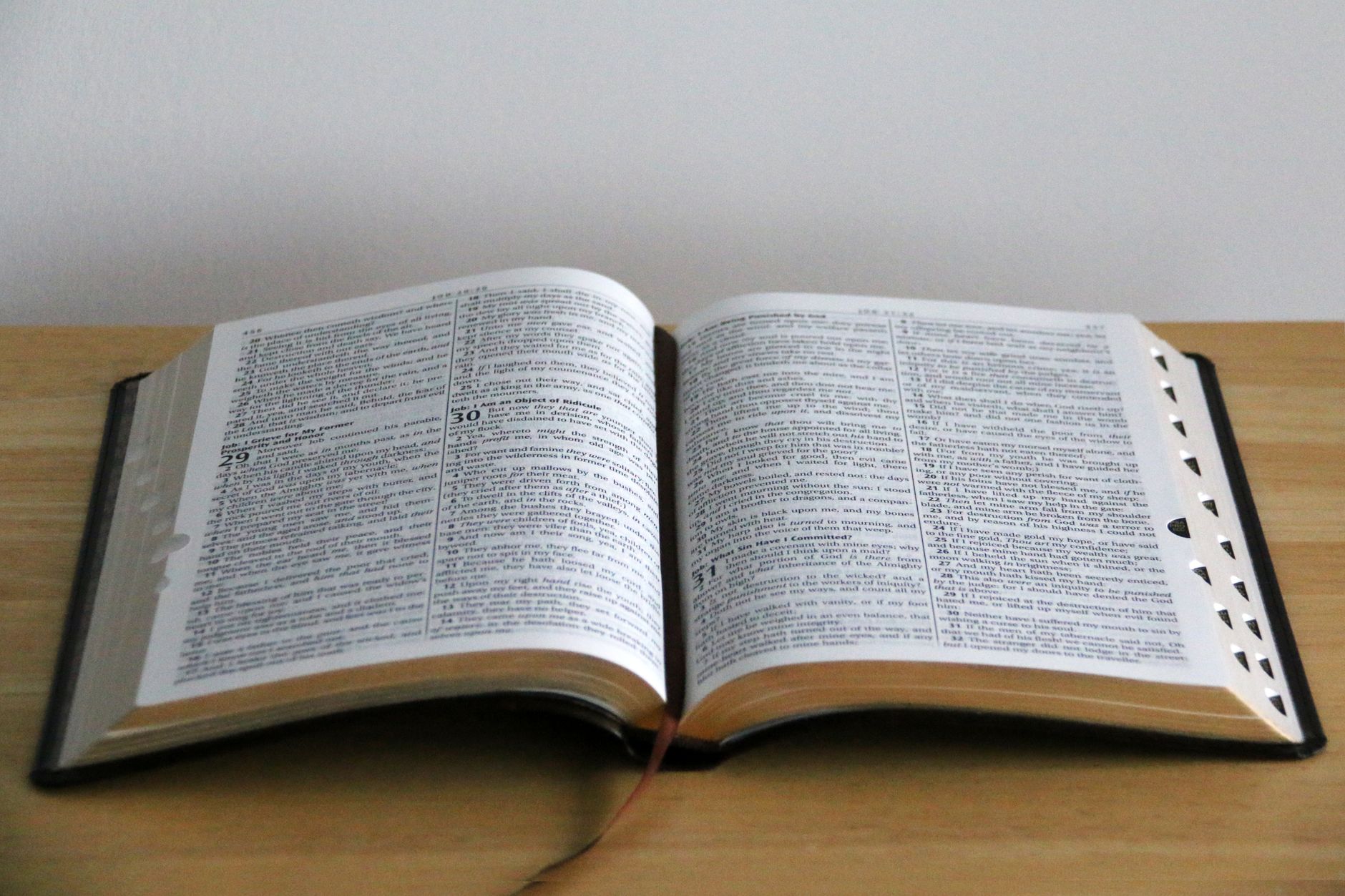
For most of our lives, we’ve treated God’s promises like feelings. We think if we don’t feel safe, He isn’t keeping His word. But the Bible doesn’t deal in feelings. It deals in tablets.
It’s late in the year now. The leaves are gone, and the days are short. It’s easy to look around and think, “Well, God, I’m tired. Where is this peace you keep talking about?”
Let’s look at a man who knew exactly what it felt like to be empty.
The Man With No Cup
David was a king, yes. But he was also a man who had lost his wife, his son, and his dignity. He had crawled out of a palace that smelled like blood and betrayal.
In Psalm 23, David doesn’t start with “The Lord is my strength.” That comes later. He starts with something much smaller. Much more human.
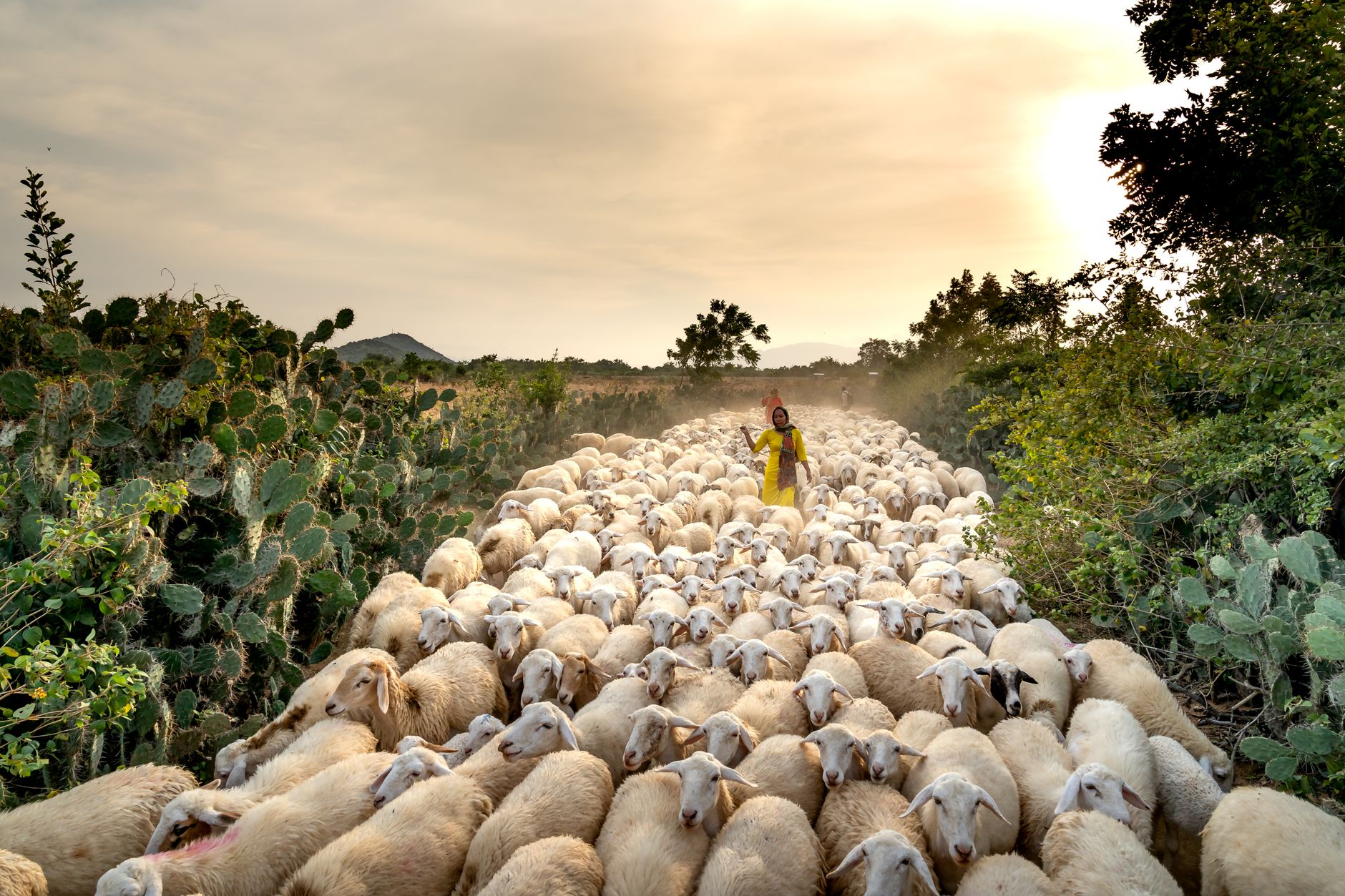
— “The Lord is my shepherd; I shall not want.”
Read that again. He lacks nothing.
Not “I will be rich.” Not “I will be happy.” Not “I will be successful.”
He lacks nothing.
In the original Hebrew, this phrase is often translated as “I lack nothing” or “I am not in want.” It’s a statement of sufficiency. David is saying that despite everything that has been taken from him, he finds himself in a state of having enough.
Why? Because his Shepherd provides.
Think about your own life right now. What are you lacking? Maybe it’s health. Perhaps it’s money. Or maybe a relationship. You’re sitting in your kitchen or your office, and there’s a hollow space in your chest that says, “This isn’t enough.”
That hollow space is where worry lives. And worry is a liar. Worry tells you that God is asleep. Worry whispers that He’s forgotten you. Worry insists that you have to save yourself because He’s too busy with other people’s prayers.
But David says something different. He says that when the Shepherd is present, the want disappears. Not because the need vanishes—sheep still get hungry—but because the Shepherd is there to feed them.
The Green Pastures Are Not a Place
Here’s where it gets tricky. We tend to imagine those lush fields as a physical location. A meadow. A hillside. A place where the grass is knee-high and the air smells like rain.
And sure, that’s a beautiful image. But it’s not the point.
The point is contrast. The sheep are in those safe fields because the Shepherd leads them there. They didn’t find it on their own. Sheep aren’t great navigators. They follow.
So, when David says, “He makes me lie down in green pastures,” he’s describing a movement from anxiety to rest.
“Lie down” is a command, but it’s also a permission. In the ancient Near East, lying down meant you were safe enough to drop your guard. You weren’t running from a lion. You weren’t hiding from a wolf. You could put your head on the ground and breathe.
Have you ever tried to sleep when you’re anxious? Your body wants to rest, but your mind is wide awake, checking the locks on the doors. You’re physically in bed, but you’re spiritually in the hallway.
God’s promise isn’t just that He’ll give you a good night’s sleep. It’s that He’ll give you the permission to sleep. He’s saying, “The door is locked. The lion is outside. Lie down.”
And then there’s the calm water.
— “He leads me beside the still waters.”
Still waters are calm. They don’t splash. They don’t churn. You can see your reflection in them.
If you’ve ever been near a fast-moving river, you know how dangerous it can be. The water is cold, the current is strong, and the rocks are hidden under the surface. One wrong step, and you’re swept away.
But that quiet water? You can wade in. You can drink. You can wash your face. There’s no danger. There’s just quiet.
Why would God lead you to that calm? Because you’re thirsty. And you’re exhausted. You’ve been running so long that your legs are shaking. Rest is necessary. Drink is necessary. See your own face again, without the distortion of panic, is necessary.
This describes what peace looks like. It’s not the absence of problems. It’s the presence of stillness. It’s the ability to stand in the middle of your life and see your reflection clearly.
The Head Is Lifted
Now, here’s the part that surprises me. Every time I read this, I always skip it. It’s right in the middle of the verse, and it’s so simple that I overlook it.
— “Even though I walk through the valley of the shadow of death, I fear no evil, for you are with me; your rod and your staff, they comfort me.”
Wait, that’s verse 4. Let’s go back to verse 3.
— “He restores my soul. He leads me in paths of righteousness for his name’s sake.”
“Restores my soul.”
What does that mean? To restore is to bring back to a healthy condition. To repair. To fix what’s broken.
David is saying that his soul was broken. And the Shepherd fixed it.
Why? “For his name’s sake.”
Not for David’s sake. Not because David was good. Not because David deserved it.
For God’s reputation. He keeps His promises because He has to. If He doesn’t, His name is stained.
So, when you feel anxious, don’t just pray for relief. Pray for restoration. Ask God to fix what’s broken in your soul. And trust that He will, not because you’re worthy, but because His reputation is on the line.
A Personal Confession
I’ll be honest. I’ve struggled with this. For years, I thought peace was something I had to earn. I’d work harder, pray longer, serve more, and expect that eventually, the anxiety would lift.
It never happened.
I kept waiting for the reward. I kept treating my faith like a transaction. I’d give, and I’d expect to receive. And when I didn’t receive, I got angry. I felt cheated.
It took a long time for me to realize that I was looking in the wrong place. I was measuring my faith by my productivity.
But David wasn’t doing that. David was looking at the Shepherd. He was trusting in the Shepherd’s provision, not his own performance.
And that changed everything.
When I started focusing less on what I was doing and more on who God was, the anxiety began to fade. Not instantly. Not completely. But it faded.
I realized that peace isn’t a destination. It’s a stance of trust. It’s the act of rest. It’s the choice to let go.
And that’s a hard lesson to learn. Especially when the year is ending and the pressure is on. Especially when you feel like you haven’t finished what you started. Especially when you look back and see all the places where you fell short.
But that’s okay. That is precisely the point.
God’s promises aren’t conditional. They’re not based on your success. They’re not based on your failure. They’re based on His character.
He is faithful. He is true. He is good.
And that’s enough.
The Final Verse
There’s one last verse I want to share. It’s from Isaiah. It offers a guarantee of peace. It guarantees restoration. It guarantees that God will take care of you.
— “You will keep in perfect peace those whose minds are steadfast, because they trust in you.”
Read that again. “Perfect peace.” “Minds steadfast.” “Trust in you.”
It’s simple. It’s clear. It’s powerful.
If your mind is steadfast—if you’re holding on to God, not your circumstances, not your feelings, not your plans—then He will keep you in perfect peace.
Not temporary peace. Not partial peace.
Perfect peace.
That is the goal. That is the assurance. That is the hope.
So, as you finish this year, take a deep breath. Look at the sky. Feel the wind on your face. And remember: you are held. You are known. You are loved.
And you are at peace.
— “And the peace of God, which transcends all understanding, will guard your hearts and your minds in Christ Jesus.”