Stress Less, Live More
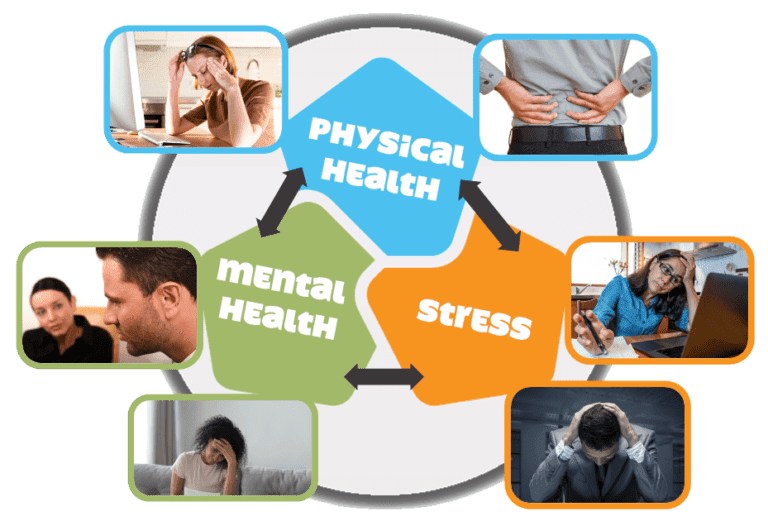
Stress is a natural part of life, and it's impossible to completely eliminate it. However, when stress becomes excessive, it can have a significant impact on our physical health. In this article, we'll explore the connection between stress and physical health, and how we can manage stress to improve our health.
What is Stress?
Stress is a natural response to a stimulus that is perceived as a threat or demand. It is a normal reaction to situations that require us to make a change or take action. However, chronic stress can have devastating consequences for the body.
The Effects of Stress on the Body
When we are under chronic stress, our bodies experience a range of negative impacts. Here are some of the most common:
- Increased heart rate and blood pressure
- Increased levels of cortisol, a stress hormone
- Changes in immune function
- Muscle tension and pain
- Headaches and migraines
- Gastrointestinal issues, such as irritable bowel syndrome
- Chronic pain
- Cardiovascular disease is more likely to develop
- Certain cancers are more likely to occur
- Depression and anxiety become more prevalent
These consequences are serious and put us at risk for a range of health problems. Not all stress is bad - in fact, some stress is beneficial. Chronic stress, however, has severe repercussions.
A Personal Experience
I recall a particularly stressful period in my life when I was working long hours and struggling to balance my personal life. I found solace in exercise and mindfulness, which helped me cope with the demands of my job and reduce my stress levels. For instance, I started taking short walks during my lunch break, which gave me a much-needed break from the chaos of the office and helped clear my mind. On one occasion, I even used my daily commute to practice deep breathing exercises, which became a valuable tool in managing my stress.
Stress Management Strategies
There are a number of ways to mitigate stress and improve health. Here are some strategies that are effective:
- Exercise: Regular physical activity helps alleviate stress by releasing endorphins, which are natural feel-good chemicals in the body. This improves cardiovascular function and reduces the likelihood of developing certain diseases.
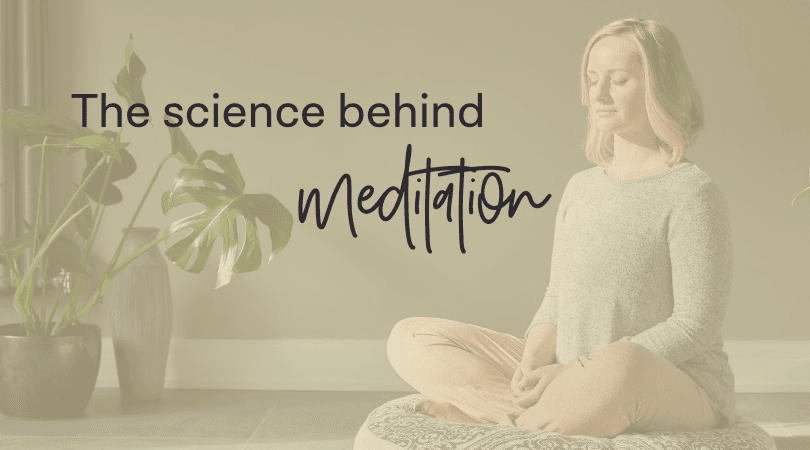
- Meditation: Meditation calms the mind and decreases the production of stress hormones. As a result, mental clarity improves, and the incidence of mental health issues decreases.
- Yoga: Yoga is a form of exercise that enhances flexibility, balance, and strength. Practicing yoga enables individuals to better handle stress and cultivate emotional resilience.
- Mindfulness: Mindfulness is the practice of paying attention to the present moment, without judgment. This practice quiets the mind, bringing a feeling of calm that makes it easier to navigate difficult situations.
- Supportive relationships: Building and maintaining supportive relationships provides comfort and security. Talking to a friend, family member, or therapist helps process emotions and gain a new perspective on challenging situations.
- Time management: Effective time management brings a feeling of control and organization, making it easier to handle demanding situations.
Finding the right combination of stress management techniques is crucial. By experimenting with different approaches, individuals develop a personalized plan to reduce stress and foster resilience.
Stress affects us all differently, and what works for one person may not work for another. By being patient and persistent, we find the strategies that work best for us and make a positive impact on our lives.
Taking care of ourselves is essential. By prioritizing our health and making conscious choices, we can minimize the negative effects of stress on our well-being and cultivate resilience in the face of adversity. By doing so, we improve our health and quality of life, leading to a more balanced and fulfilling existence.