Unity in Action
In a world where division and isolation seem to be the norm, it can be easy to feel disconnected from our fellow humans. However, there are communities that are working tirelessly to build connections, show compassion, and promote understanding. These communities demonstrate that when individuals unite, they can have a significant impact on those they help. As I reflect on the power of unity, I am reminded of the words of Hebrews 10:24-25, which encourages us to "consider how we may spur one another on toward love and good deeds" and to "not give up meeting together," highlighting the importance of community and collective action in driving positive change.
The Power of Collective Action
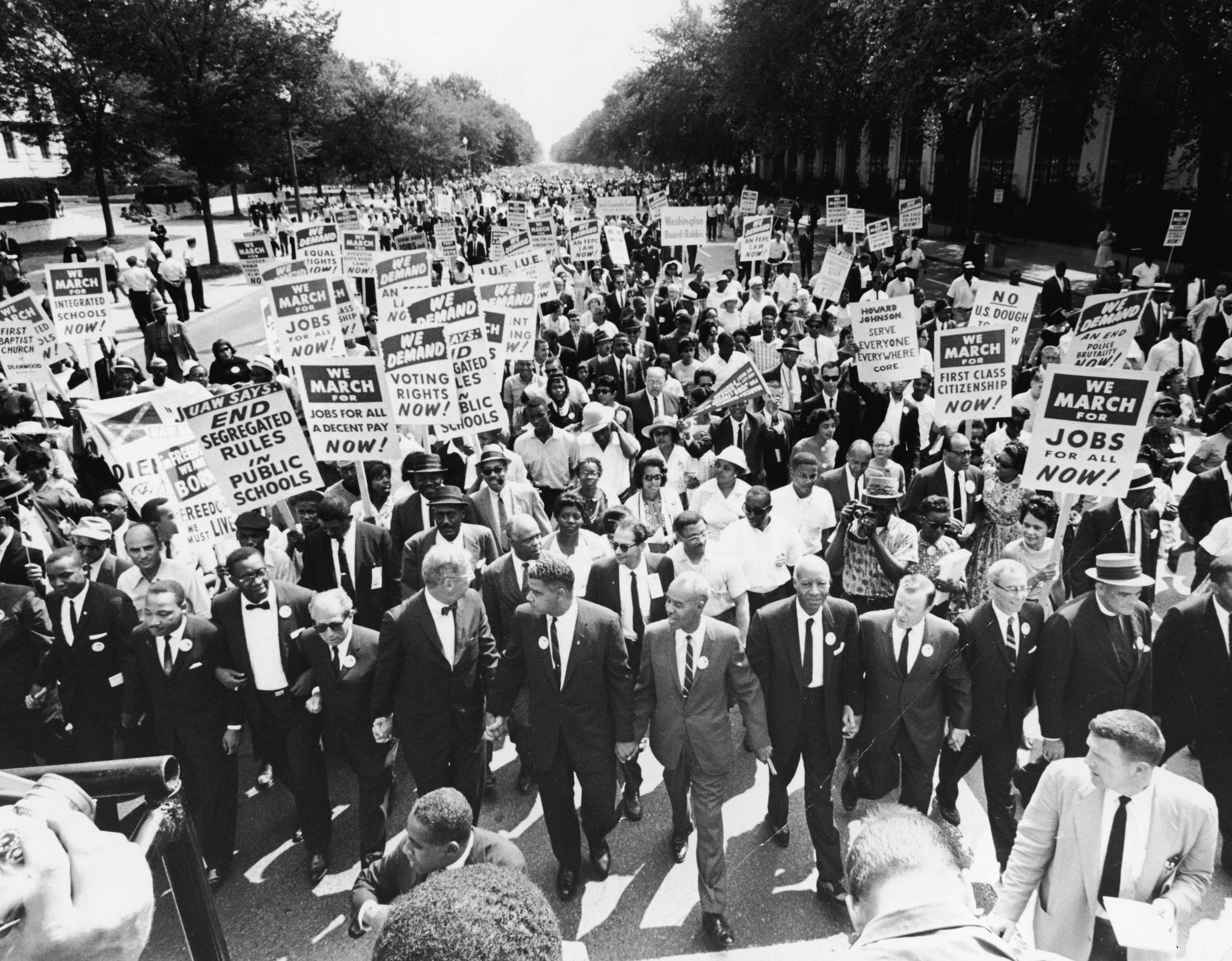
Collective action is the idea that individuals coming together to achieve a common goal can be more effective than individuals acting alone. This is particularly true in the context of social change, where individuals working together can have a greater impact than those working alone. When people unite to address a problem, they can pool their resources, share their expertise, and leverage their combined power to drive change. For instance, I've seen this principle in action through my involvement with a local volunteer group, where a small team of dedicated individuals was able to make a tangible difference in the lives of those we served, illustrating the potential for collective action to bring about meaningful results.
One example of the power of collective action is the movement to end modern slavery. Groups like the International Labor Organization (ILO) and the United Nations have collaborated to gather and analyze data, conduct research, and develop strategies for combating modern slavery. Through their collaboration, these organizations have made significant progress in ending this injustice, with the ILO estimating that 20.9 million people were victims of modern slavery in 2016. This achievement serves as a powerful reminder of what can be accomplished when individuals and organizations work together towards a common goal, as emphasized in Matthew 18:20, "For where two or three gather in my name, there am I with them."
Communities of Compassion Around the Globe
There are communities that are working to build connections and show compassion. Here are just a few examples:
Amnesty International
Amnesty International is a global organization that works to protect human rights. Through its network of activists and supporters, Amnesty International has mobilized its members to take action, such as writing letters to government officials or participating in protests. This organization has also helped bring attention to human rights abuses, advocating for change and supporting those affected. I recall a personal experience where I participated in an Amnesty International campaign, and the sense of solidarity and purpose that came from being part of a larger movement was truly inspiring, and it reminded me of the importance of standing up for what is right, as encouraged in Proverbs 31:8-9, "Speak up for those who cannot speak for themselves, for the rights of all who are destitute. Speak up and judge fairly; defend the rights of the poor and needy."
The Red Cross
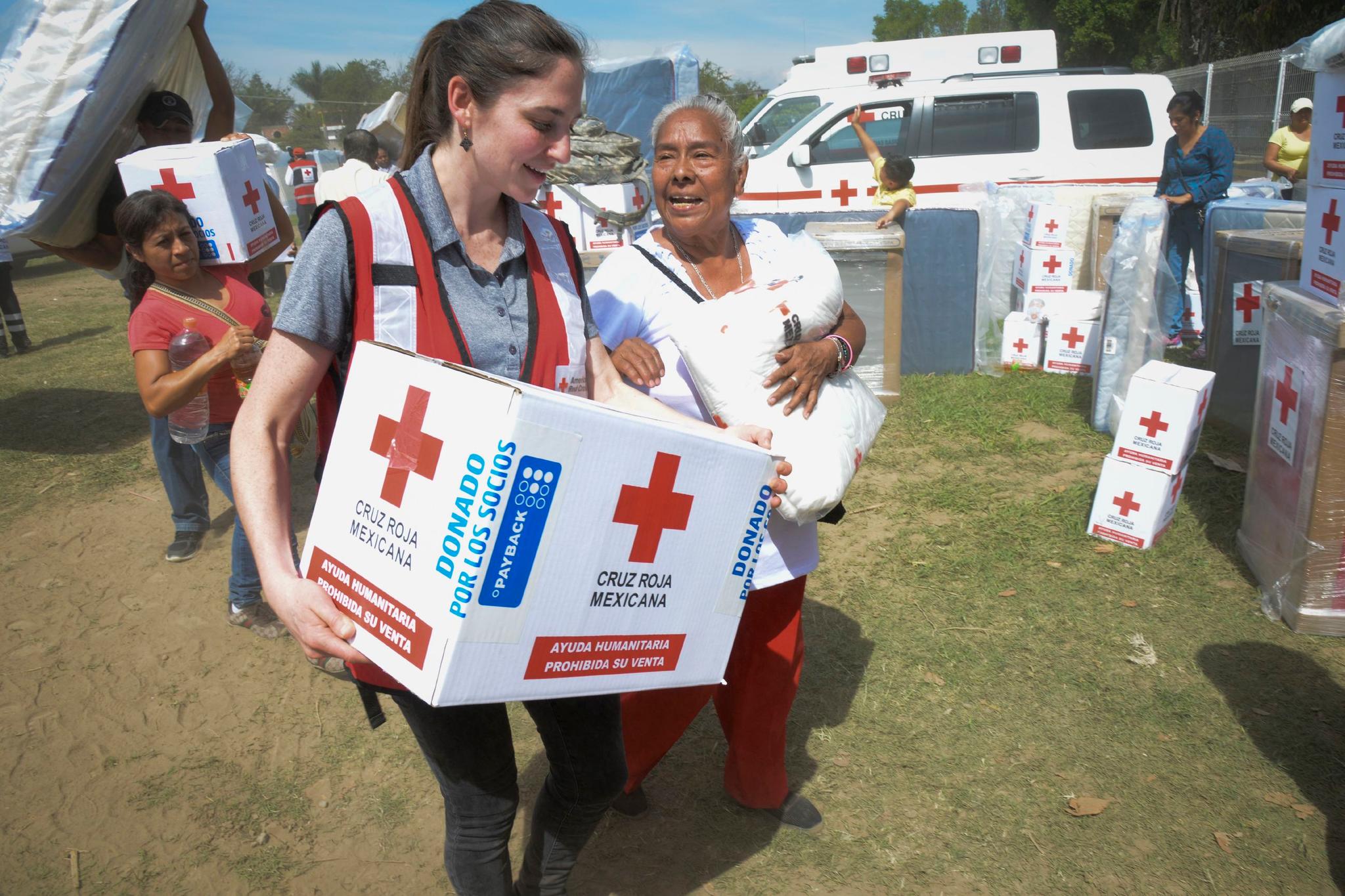
This humanitarian organization works to alleviate suffering and protect life. Its network of volunteers and staff provides relief to those in crisis. The organization also educates people on disaster preparedness and response, helping them prepare for the future. As a result, it has improved the well-being of numerous individuals and families. Furthermore, the Red Cross has been instrumental in promoting community resilience and social cohesion, which are essential for building stronger, more compassionate communities, as highlighted in Galatians 6:2, "Carry each other’s burdens, and in this way you will fulfill the law of Christ."
Community Gardens
Community gardens are a great example of how people can unite to drive positive change. These gardens are often run by volunteers who work side by side to grow food and share the harvest. This shared effort provides access to healthy food for those who might not otherwise have the means to obtain it. It also creates a sense of community and connection among the people involved. I recall visiting a community garden in my neighborhood, where I saw people from all walks of life working together, exchanging tips, and sharing stories. The sense of camaraderie was palpable, and it was clear that this garden was not just a place to grow food, but a hub for building connections. In fact, I met a woman there who had been struggling to make ends meet, but through the garden, she was able to access fresh produce and connect with others who were facing similar challenges, demonstrating the potential for community initiatives to address social and economic needs, as seen in Acts 2:45, "They sold property and possessions to give to anyone who had need."
Conclusion
When individuals unite, they can drive significant positive change. There are many examples of this, from international organizations like Amnesty International to local initiatives like community gardens. For instance, I've seen the impact of a community coming together to support a local food bank, where volunteers collect and distribute food to those in need. This not only helps those struggling to access basic necessities but also brings the community closer together. We can create a more connected, compassionate, and understanding world by supporting such initiatives. As we strive to make a difference, let us remember the words of 1 Corinthians 12:27, "Now you are the body of Christ, and each one of you is a part of it," emphasizing the importance of unity and collective action in achieving our goals.
If you are interested in getting involved in a community that promotes compassion, there are many ways to do so. Consider joining a local organization or group, volunteering at a community garden, or simply reaching out to your neighbors and friends to see how you can work with them to drive positive change. You can also explore online platforms and social media groups that connect people with shared interests and goals, providing opportunities for collective action and community engagement, as encouraged in Philippians 2:4, "not looking to your own interests but each of you to the interests of the others."
Remember, unity is not just about taking action; it's also about building connections and showing empathy. By supporting one another, we can create a more compassionate and understanding world, and help ensure that everyone has the opportunity to thrive. As we move forward, let us hold on to the promise of Psalm 133:1, "How good and pleasant it is when God’s people live together in unity," and strive to make this vision a reality in our own communities and beyond.