Psalm 91 Explained: Finding Rest in God’s Shadow, Not Just a Fortress
It’s the third week of June, and the heat is already pressing against the windshield like a physical weight. You’re sitting in your car in the driveway, engine off, radio silent, just listening to the hum of the neighborhood settle into the afternoon. The grass is a little dry at the edges, the kind of golden-brown that signals summer has fully taken hold. Inside, the air conditioning is fighting a losing battle, but you don’t want to go in yet. Not because you’re avoiding your family, but because for these five minutes, you are exactly where you need to be. You are safe. You are seen. You are held.
Most of us read Psalm 91 and immediately picture a fortress. We imagine stone walls, moats, and guards on every corner. We think of God as a distant king sitting on a throne high above the clouds, watching us from a safe distance. But if you strip away the stained-glass aesthetic and look at the Hebrew text, the imagery shifts. It’s not about a castle. It’s about a shadow.
The Hebrew word used in verse 4 for "cover" is tsalel, which relates to the way a bird spreads its wings to shield its young from the harsh midday sun or a sudden storm. It’s intimate. It’s close. It’s not a wall that keeps the world out; it’s a presence that keeps the heat off you.
And honestly? That’s a lot more comforting than a wall ever could be.
The Myth of the Fortress
We live in a culture that is obsessed with security. We buy the alarm systems. We check the news three times a day. We scroll through feeds that highlight every earthquake, pandemic, and political scandal, trying to gauge how much danger is actually "out there." We want guarantees. We want a contract that says, If I do X, God will do Y, and I will never get hurt.
That’s why so many of us treat Psalm 91 like a magical incantation. We memorize it. We quote it over our children. We paste it on the fridge. But sometimes, we use it like a shield against reality. We say, "God is my refuge," while we ignore the warning signs in our marriage, or the debt piling up, or the anxiety that keeps us awake at 3 a.m. We treat God like a spiritual bodyguard who only shows up when the arrows are flying, rather than the One who walks with us through the valley.
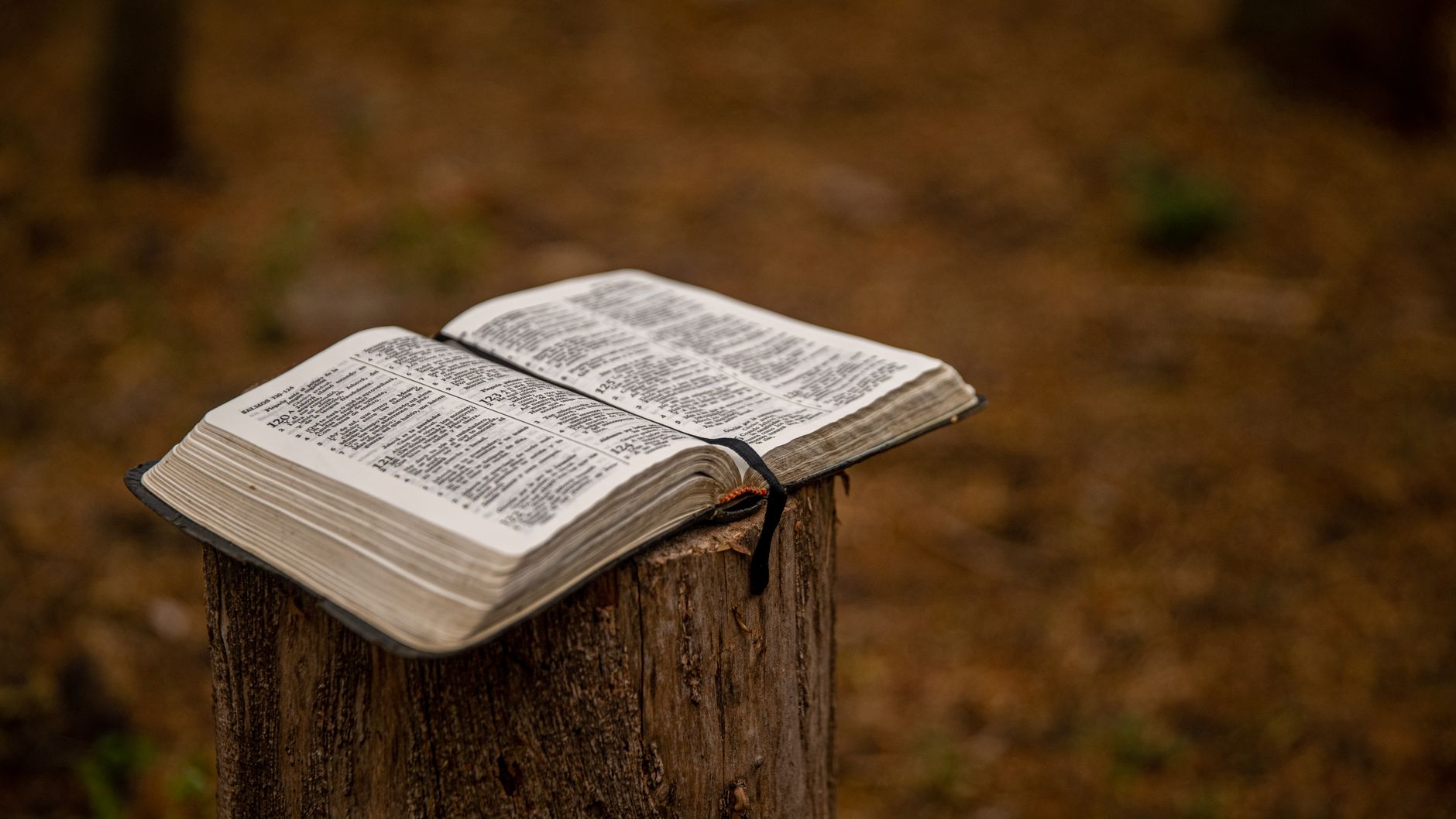
The opening verses of Psalm 91 are famous, but they are often read in isolation. Let’s look at the first four verses together, not as a list of promises, but as a narrative of movement.
(, NIV) "Whoever dwells in the shelter of the Most High will rest in the shadow of the Almighty. I will say to the Lord, 'You are my refuge, my fortress, my God, in whom I trust.' Surely he will save you from the fowler’s snare and the plagues of pestilence; he will cover you with his feathers, and under his wings you will find refuge; his faithfulness will be your shield and rampart. You will not fear the terror of the night, nor the arrow that flies by day, nor the pestilence that stalks in the darkness, nor the plague that destroys at midday."
Notice the verbs. Dwell. Rest. Say.
The first thing you do isn’t look for a miracle. You dwell. The Hebrew word is yasab, which means to sit down, to remain, to inhabit. It’s not a fleeting visit. It’s not a drive-by blessing. It’s a lifestyle of abiding. You don’t just visit the shadow of the Almighty; you live there.
I’ll be honest, I used to read this and feel a bit of guilt. I mean, do I really dwell there? Or do I mostly just peek in from the porch, grab a promise, and run back out into the noise? We tend to treat our faith like a vending machine. We put in a prayer, we shake it a bit, and we expect a blessing to drop. But dwelling is different. Dwelling implies that the air outside is thin, or hot, or dangerous, and you’ve chosen to stay inside where the air is thick with His presence.
The Terror of the Night
Why does the psalmist mention "the terror of the night" and "the arrow that flies by day"? Because fear doesn’t keep office hours.
In the ancient Near East, the night was not just a time of darkness; it was a time of vulnerability. The streets were empty. The guards were tired. The bandits were active. And then there were the dever—the pestilences or plagues that could sweep through a city without warning, killing both rich and poor alike. You couldn’t fight a plague with a sword. You couldn’t outrun an ambush with speed. You could only hide.
But here’s the twist that changes everything. The psalm doesn’t promise you that the arrows won’t fly. It doesn’t promise that the plague won’t stalk the darkness. It promises that you won’t be afraid.
There is a massive difference between protection from suffering and protection in suffering.
If you think Psalm 91 means you’ll never get sick, never lose your job, and never face a crisis, you’re setting yourself up for disappointment. We all know Christians who prayed the "mighty" prayers and still got cancer. We know families who trusted God for provision and still lost the house. The text says God will save you (yitsleka) from the snare, but the context suggests a deliverance that is often spiritual and ultimate, even if it’s not always immediate and physical.
Think of it like this: You’re in a storm on a boat. The waves are high. The wind is screaming. You’re not guaranteed that the boat won’t get wet. You’re guaranteed that the Captain is in the boat with you, and He knows how to work through the chaos. You might get soaked. You might be exhausted. But you are not abandoned.
This is where the "shadow" metaphor becomes so powerful. A shadow only exists when there is a light source. You can’t have a shadow without the sun. So, when you are "under His wings," you aren’t in the dark. You are in the light, but filtered. The harsh, blinding glare of the world’s expectations, the pressure to perform, the fear of man—it’s all softened. It’s cool. It’s restful.
Not a Magic Spell, But a Relationship
I remember a friend of mine, let’s call him David. David was a man who loved the Bible. He could quote chapters. He knew the theology. But for years, his faith was entirely intellectual. He believed God existed. He believed God was good. But he didn’t know God.
Then, his daughter was diagnosed with a rare autoimmune disorder. It wasn’t terminal, but it was unpredictable. One day she was fine; the next, she was bedridden. The doctors didn’t have a clear answer. The stress was immense. David started reading Psalm 91, but this time, he wasn’t just reciting words. He was talking to God.
He told me later, "I used to think Psalm 91 was a shield I held up to block the world. But during those months in the hospital, I realized it was a place I went to. I’d sit in the chair next to her bed, close my eyes, and just... dwell. I didn’t ask for the disease to leave immediately. I just asked to be close to Him. And in that closeness, the terror of the night lost its teeth."
That’s the secret. Psalm 91 isn’t a talisman. It’s a testimony of intimacy. It’s the language of a child who knows the parent is in the room.
The psalm moves from the personal ("I will say...") to the cosmic ("He will command his angels..."). Verse 11 says, "For he will command his angels concerning you to guard you in all your ways."
Now, don’t miss this. Angels aren’t just for special occasions. They are servants sent to help those who will inherit salvation (). When you dwell in the Most High, you enter a space where the spiritual reality of heaven intersects with the physical reality of earth. You are never alone. Not for a second.
But here’s the part we often skip. Verse 14 kicks in with a condition: "For he who loves me will I deliver him; I will set him on high because he has known my name."
God delivers those who love Him. Those who know His name.
What does it mean to "know" His name? In Hebrew, yada isn’t just intellectual knowledge. It’s experiential. It’s relational. It’s the kind of knowing that implies trust. You don’t just know who God is; you trust that He is who He says He is.
So, the promise isn’t, "If you pray Psalm 91 perfectly, God must protect you." The promise is, "If you abide in Me, if you love Me, if you trust Me, I will be your refuge." It’s about relationship, not ritual.
The Summer of the Soul
We’re in early summer now. The days are long. The light lingers late into the evening. It’s a time of growth, of abundance, but also of vulnerability. The heat can be oppressive. The storms can come out of nowhere.
Maybe you’re feeling that heat today. Maybe you’re facing a "plague of pestilence" in your own life—a diagnosis, a layoff, a broken relationship, a quiet depression that feels like a fog. You’re tired of fighting. You’re tired of pretending everything is fine.
Psalm 91 invites you to stop fighting for a moment. To sit down. To dwell.
It’s not about ignoring the danger. It’s about changing your perspective on it. When you dwell in the shelter of the Most High, you see the world from His vantage point. You see the arrows coming, but you also see the One who catches them. You see the snare, but you also see the Deliverer.
And here’s the beautiful, counter-intuitive truth: The shadow of the Almighty is not just for protection. It’s for rest.
In a world that demands we hustle, perform, and prove ourselves, God offers us a shadow. A place to cool off. A place to breathe. A place to remember who we are.
We often think that to be spiritual, we need to be busy. We need to be serving, giving, going. But Jesus said, "Come to me, all you who are weary and burdened, and I will give you rest" (). The Greek word for rest there is sabbatizo—to sabbath. It’s about ceasing from your own works.
Dwelling in Psalm 91 is a spiritual sabbath. It’s the act of trusting that God is working even when you are still. It’s the confidence that your safety doesn’t depend on your grip on Him, but on His grip on you.
So, this week, try this. Don’t just read Psalm 91. Inhabit it. When you wake up, don’t check your phone first. Check in with the Father. Say, "Lord, I dwell in Your shelter today." When the stress hits, don’t immediately scramble. Pause. Breathe. Remember the shadow.
You don’t have to earn this protection. You don’t have to clean yourself up first. You just have to come. You just have to stay.
The Wider Shadow
If you zoom out from your personal living room to the history of God’s people, you see this pattern everywhere. The Israelites dwelled in the cloud of glory in the wilderness. The disciples dwelled with Jesus in the boat during the storm. The early church dwelled in the upper room during the persecution.
Psalm 91 isn’t just a verse for your crisis; it’s a description of the Kingdom of God. It’s what it looks like when God’s rule and reign break into our broken world. It’s the promise that death, disease, and evil have already been defeated, even if we don’t always see the victory yet.
When we dwell in the Most High, we become a signpost to the world. We show them that it’s possible to be in the storm and not be shaken. We show them that it’s possible to face the terror of the night and not be afraid.
And that’s the ultimate goal. Not just our safety, but our witness. Not just our comfort, but our courage.
So, let the arrows fly. Let the heat rise. Let the world do what the world does. You have a shelter. You have a shadow. You have a Father who spreads His wings over you, and in that shadow, you will find rest that the world cannot give, and peace that passes all understanding.
Stay there. Just for a while. You’re home.