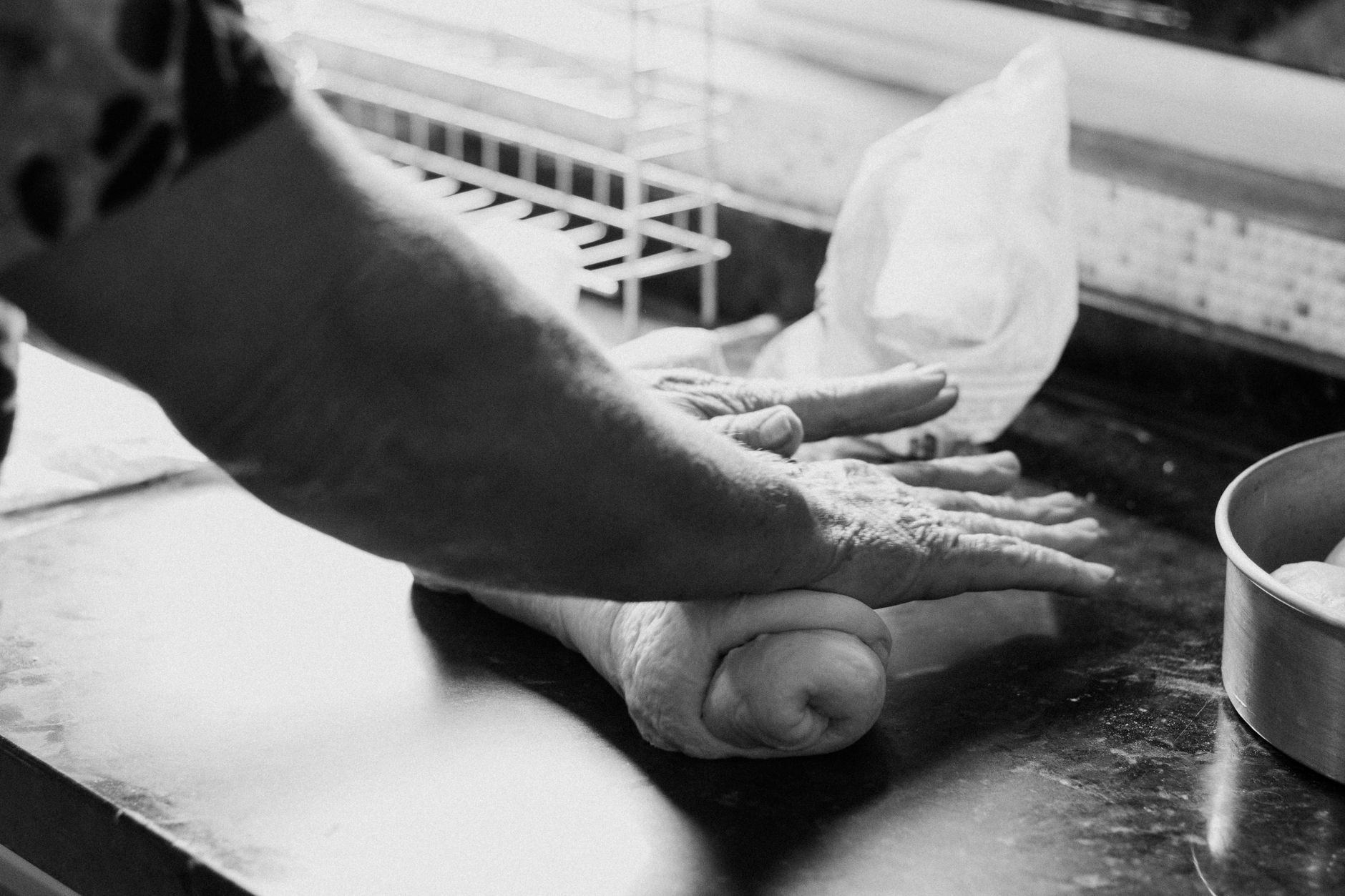
The early church didn’t just believe together; they bled, eating, and bled again together.
It’s early summer. The days are long, the light lingers late, and there’s a sense of abundance in the air. We tend to think of fellowship as a Sunday morning ritual—a brief, polite exchange of small talk before the sermon starts, followed by a hurried exit to beat the traffic. But if you look at the first few chapters of Acts, that’s not what happened. In fact, if you’re expecting a structured, two-hour worship service with a coffee hour and a bulletin, you’re going to be confused.
The first believers didn’t just gather; they collided.
I used to read and think, “Wow, what a perfect community.” I’d skim over the messy details—the selling of property, the eating of meals, the breaking of bread from home to home. It felt like a highlight reel. But then I started paying attention to the cost. It wasn’t just about being nice to people who looked like you. It was about radical, inconvenient, life-upending intimacy.
So, what did that actually look like? And more importantly, why does it matter to us now, when we’re so busy curating our faith for Instagram? Let’s dig into the grit.
What Does "Koinonia" Actually Cost?
Most of us translate koinonia as "fellowship." It sounds soft. It sounds like a potluck. But in the first-century Greek, koinonia means "shared participation." It implies a deep, active sharing of life, resources, and purpose. It’s not just sitting next to someone; it’s being invested in them.
Look at (ESV): "All who believed were together and had all things in common. And they were selling their property and possessions and sharing them with all who had need."
This wasn’t a mandatory tax. It wasn’t a utopian socialist experiment forced by a charismatic leader. It was a spontaneous response to the Gospel. People saw the unity, saw the love, and saw the power of the Holy Spirit at work, and they said, “I want in. Not just my belief, but my life.”
But here’s the rub. Sharing everything sounds great until you have to explain to your spouse why you gave away the extra bedroom to the widow next door, or why you’re eating simple meals for three years straight because the market crashed.
I’ll be honest, I’ve struggled with this too. I like my boundaries. I like my "peace." I like knowing that when I’m tired, I can retreat to my own space without feeling like I’m neglecting someone else’s crisis. The early church didn’t have that luxury. Their faith was so thick it stuck to their skin. They didn’t just give a tithe; they gave their surplus. They didn’t just attend a meeting; they hosted a movement.
This kind of koinonia was messy. It required vulnerability. It required trust. It required people who were different—Jews and Greeks, slaves and free, rich and poor—to actually sit at the same table and eat the same food. That was scandalous. That was revolutionary.
And it’s why the church grew. Not because of clever marketing. Not because of nice buildings. But because people saw a community that loved like Jesus loved, and they couldn’t figure out where they fit in their own empty, isolated lives.
Why Did They "Break Bread" From Home to Home?
says they "were daily adding to their number those who were being saved. And they devoted themselves to the apostles' teaching and the fellowship, to the breaking of bread and the prayers."
Notice the rhythm. Daily. Not just Sundays. And they did it "from home to home."
Why homes? Because homes were the only infrastructure they had. They didn’t have cathedrals. They didn’t have a budget for electricity. They had living rooms, courtyards, and kitchens. The "church" wasn’t a building; it was the people.
This changes everything about how we think about worship. We tend to think worship happens in the sanctuary, led by a priest or pastor, while the congregation watches. But in the first believers, worship was participatory and pervasive. It happened while they were eating. It happened while they were praying. It happened while they were working.
Think about it. If your faith is only lived out on Sunday morning, is it really faith? Or is it just a hobby?
The early church understood that the sacred and the secular weren’t two different spheres. Eating bread together was a spiritual act. It was a reminder of Jesus’ body broken for them. It was a tangible expression of unity. When you break bread with someone, you’re saying, “I trust you. I’m part of your life. We’re in this together.”
This is where the modern church often loses its way. We’ve turned faith into a spectator sport. We sit in rows. We watch a show. We leave. We go home. We wait for next Sunday.
But the early church was a family. And families don’t just gather; they live. They argued. They forgave. They shared meals. They cared for each other’s bodies and souls.
What Happens When the World Starts Watching?
describes a time when "the people grew in number... believers were laid in the streets, and the sick were healed."
The community was so tight-knit, so full of the Holy Spirit’s power, that even the streets felt holy. Peter’s shadow was enough to heal. But more than that, the public watched them. And they were amazed.
Why? Because the early church was visible. Their unity wasn’t a secret. It was a signal fire.
But here’s the thing: visibility also brings persecution. When you live differently, when you share differently, when you love differently, people notice. And not everyone likes it.
The early church didn’t retreat from the world; they engaged it. But they engaged it from a place of strength, not weakness. They weren’t trying to win people over with arguments. They were living out the Gospel so powerfully that people had to ask, “What’s going on here?”
This is a hard lesson for us. We often try to fit in. We try to be culturally relevant. We try to make Christianity comfortable. But the early church was counter-cultural. They were a counterculture.
And that’s why they multiplied. Not because they were perfect. Not because they had all the answers. But because they were present. They were there. They were real.
How Do We Actually Do This Today?
It’s easy to feel overwhelmed. We don’t own our homes. We don’t have spare bedrooms. We don’t have the time to eat with everyone every day. So, what’s the takeaway?
It’s not about replicating the first-century model exactly. It’s about capturing the spirit of it.
Here’s what that looks like in practice:
- Stop treating church like an event. Start treating it like a family. Invite people into your home. Not for a big party. For a meal. Just a simple meal. Break bread together. Talk about Jesus.
- Share your resources. Not just your money. Your time. Your skills. Your stories. If you’re good at fixing cars, fix your neighbor’s car. If you’re good at listening, listen to someone who’s hurting. That’s koinonia.
- Be vulnerable. Don’t just share your successes. Share your struggles. Let people see your cracks. That’s where the light gets in.
It’s not about perfection. It’s about presence.
The early church weren’t perfect. They argued. They doubted. They failed. But they kept going. They kept gathering. They kept loving.
And that’s what matters.
So, this week, try something small. Invite someone into your life. Really invite them. Not just to a service. To your life. Share a meal. Share a prayer. Share a story.
And see what happens.
Because the world is watching. And they’re tired of seeing religion. They’re hungry for relationship. And we have it to give.
It starts with one home. One meal. One act of love.
And it grows from there.