Saul’s Conversion: When God Interrupts Your Right Direction

(ESV) — Now as he went on his way, he approached Damascus, and suddenly a light from heaven shone around him. And falling to the ground he heard a voice saying to him, "Saul, why are you persecuting me?"
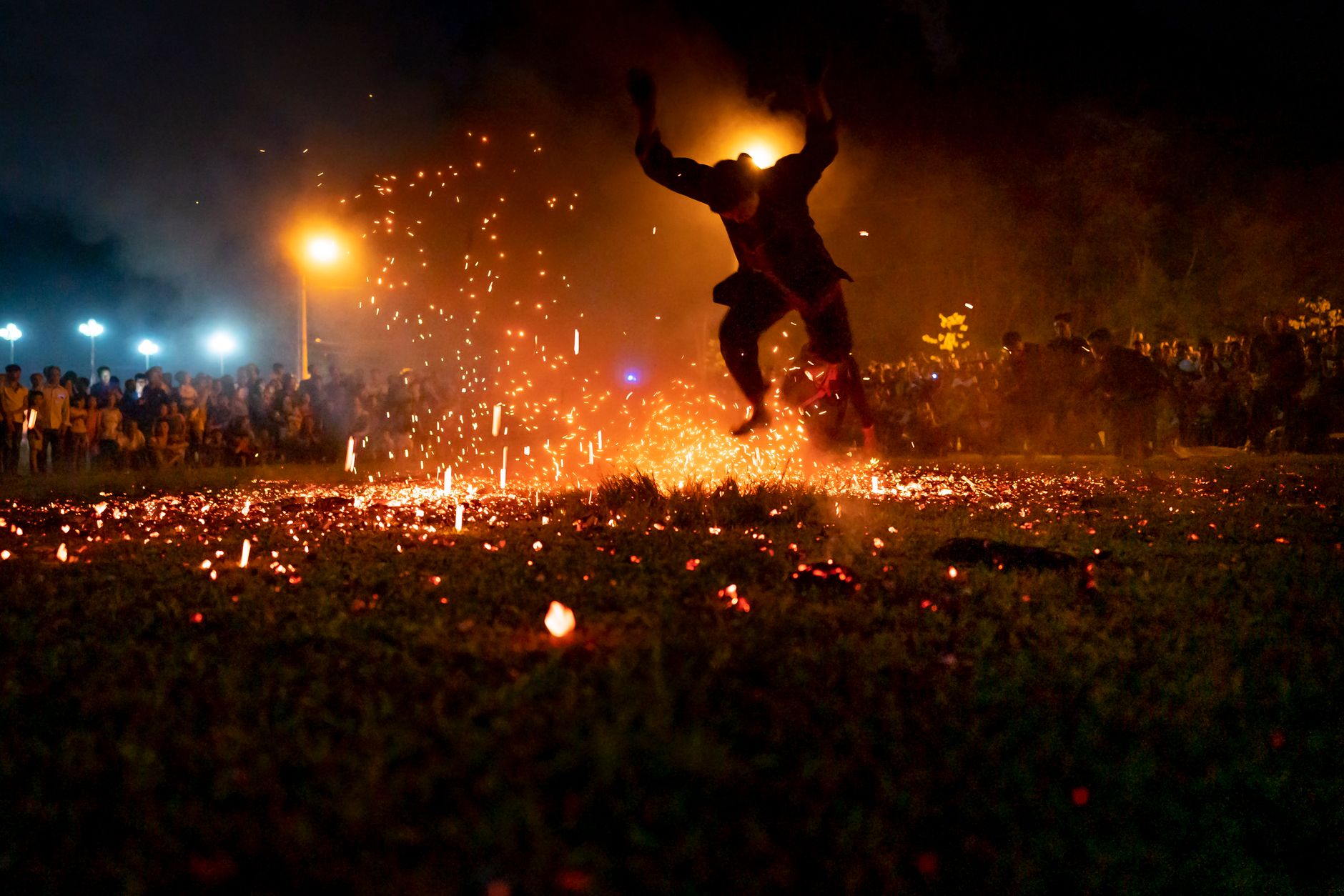
Let that light strike you for a second. Not the soft, golden glow of a Sunday morning sermon illustration, but a blinding, disorienting, earth-shattering flash that turns day into night and night into judgment.
Saul of Tarsus didn’t wake up that morning thinking, “I wonder if God wants to use me?” He woke up hungry. Hungry for power. Hungry for validation. Hungry to crush the sect of Jews who claimed this crucified carpenter was actually the Messiah. He had the credentials. He was Pharisee of Pharisees. He had the approval of the high priest. He had the letters, the authority, the zeal. He was, by all human metrics, a rising star.
And then the sky opened up.
We tend to romanticize conversion. We think of it as a gradual dimming of the world’s lights and a brightening of the soul’s lamp. A slow awakening. But Saul’s wasn’t slow. It was violent. It was sudden. It was a collision between a man who knew exactly who he was and a God who didn’t care about his resume.
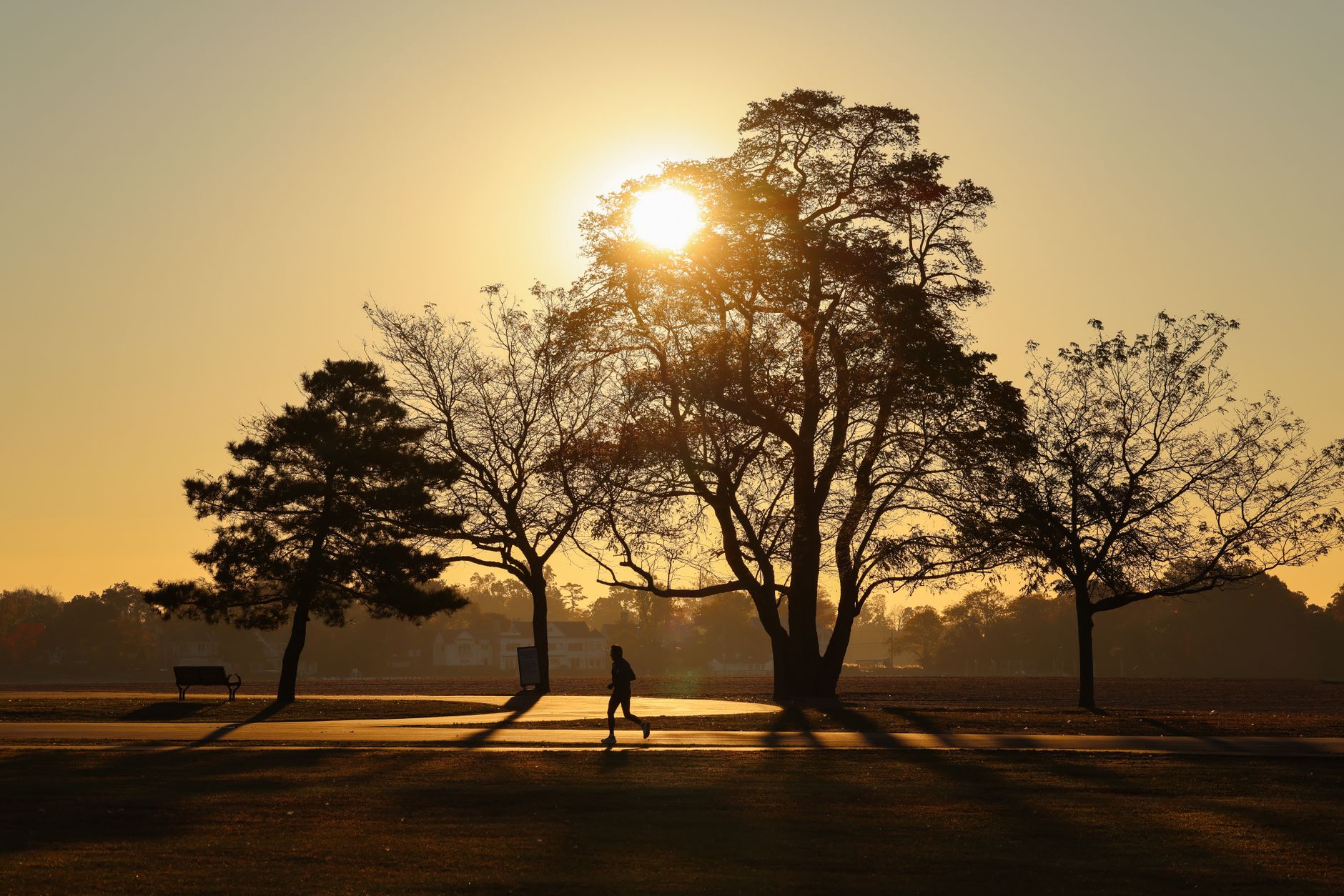
It’s early summer now. The days are long and heavy with heat. The grass is thick, the air smells like cut hay and possibility. It’s the kind of season where you feel like you’re finally getting somewhere. You’ve got your plan. You’ve got your momentum. You’re moving fast.
Maybe that’s you. Maybe you’re not running from God out of malice, like Saul. Maybe you’re just running past Him. Busy. Efficient. Righteous in your own eyes. And then, out of nowhere, a flash of light. A silence. A question that echoes in the hollow of your chest: Why are you persecuting Me?
Not just “Why are you ignoring Me?” or “Why are you distant?” Persecuting. Active. Aggressive. You’re not just failing to love; you’re actively fighting against the very heart of Jesus.
The Blindness That Wasn’t a Punishment
Look at what happens next in Acts 9. After the voice speaks, Saul falls to the ground. He doesn’t immediately stand up and start preaching. He doesn’t suddenly have all the answers. He gets up, but he’s blind.
“And he rose from the ground. But when he opened his eyes, he could see nothing. So they led him by the hand and brought him into Damascus. And he was blind for three days. He neither ate nor drank.” ()
Three days. No food. No water. No sight.
We usually skip over this part. We jump to the healing and the preaching. But that blindness was the gift. It was the reset button.
Think about it. When you can see, you rely on your eyes. You trust your perspective. You trust your ability to face the world. But when the light blinds you, you have to let someone else lead you. You have to surrender control.
Saul had been leading his own life. He had been his own god. He had been marching toward Damascus with a clear map and a confident stride. The blindness forced him to stop. To wait. To listen. To be guided by the hand.
I’ll be honest, I’ve struggled with this. I used to read the story and feel like Saul was just getting a slap on the wrist for being annoying. But the real miracle wasn’t the light. The real miracle was the surrender that the blindness demanded.
It’s hard to be guided when you think you know the way. It’s hard to receive grace when you’re busy earning your keep. That three-day darkness wasn’t a punishment; it was preparation. It was God saying, “I can’t fill you if you’re still full of yourself.”
We live in a culture that worships sight. “If you can’t see it, it isn’t real.” We want evidence. We want results. We want the quick fix. But God often works in the blind spots. He works in the waiting. He works in the silence.
The Friend Who Found Him
Here’s the part we often miss. While Saul was sitting there, blind, hungry, waiting, God didn’t just send an angel. He sent a man. Ananias.
“The Lord said to him, 'Arise, and go to the street called Straight, and at the house of Judas look for a man of Tarsus named Saul...' ()
Ananias wasn’t thrilled about it. “But Ananias answered, 'Lord, I have heard from many about this man, how much evil he has done at Jerusalem...' ()
Ananias knew his reputation. He knew Saul had been breathing out threats and murder against the church. He knew Saul was dangerous. And God told him to go.
Notice the tension. God doesn’t wait for Saul to become nice. He doesn’t wait for Saul to clean up his act. He sends Ananias to the guy who was still blind, still hungry, still a bit of a mess, and tells him, “Go to him.”
And Ananias went. He didn’t preach at him. He didn’t give a sermon. He laid hands on him. He prayed. “And something like scales fell from his eyes, and he restored his sight. Then he rose and baptized.” ()
It was intimate. It was personal. It was a connection between two men who didn’t really know each other, bridged by the authority of Jesus.
This is spiritual wellness, friend. It’s not just sitting alone in your room reading devotionals. It’s allowing yourself to be guided by the hand. It’s letting someone else see you in your blindness. It’s trusting that God will send you an Ananias, even if that person is a bit uncomfortable with your history.
We isolate ourselves because we think we need to be perfect before we can be connected. But the Gospel is messy. It’s Saul, blind and hungry, being led by the hand into Damascus. It’s Ananias, gritting his teeth, going to meet him.
The Shift from Doer to Receiver
Saul changed his name to Paul later, but the transformation happened on that road. He went from being a persecutor to a preacher. From a critic to a believer. From a man of the Law to a man of Grace.
What changed?
He stopped trying to earn God’s favor and started receiving it.
For years, Saul had been working. Working to keep the law. Working to impress the Pharisees. Working to prove he was righteous. But on the road, he realized he couldn’t work his way out of blindness. He couldn’t work his way back to sight. He had to be healed.
This is the core of spiritual wellness. It’s the shift from doing to being.
We spend so much of our lives trying to do the right things. We attempt to pray more. We attempt to read more. We attempt to give more. And if we’re honest, it often becomes another performance. Another way to prove we’re good enough.
But spiritual health isn’t about performance. It’s about presence. It’s about letting God’s light strike you so hard that you can’t help but stop. It’s about letting Him guide you by the hand, even when you don’t know where you’re going.
Think about your own life. Where are you blind? Where are you holding on so tightly to your own plans that you can’t see God’s hand guiding you?
Perhaps you’re like Saul. You’ve got your letters of appointment. You’ve got your credentials. You’ve got your reputation. But inside, you’re starving. You’re blind. You’re waiting for someone to guide you into the truth.
Or perhaps you’re like Ananias. You’ve got your history with the “big shot.” You’ve got your reservations. But God is calling you to go. To lay hands on the blind man. To pray for the stranger. To trust that the same God who called Saul will use you to bring sight.
The Light That Remains
The light on the road didn’t just heal Saul’s eyes. It changed his vision.
Previously, he saw Jesus as a heretic. Afterward, he saw Him as Lord. Previously, he saw the church as a threat. Afterward, he saw it as his family. Previously, he saw himself as the center of the universe. Afterward, he saw himself as a slave to Christ.
And that vision? It stayed.
It wasn’t a one-time event. It was a lifelong process. Paul wrote later, “For I am the least of the apostles, unworthy to be called an apostle, because I persecuted the church of God.” ()
He never forgot the light. He never forgot the blindness. He never forgot the grace.
That’s what we need. Not just a moment of excitement. Not just a Sunday morning high. But a lasting change in vision. A way of seeing the world through the lens of the One who called us out of darkness.
It’s easy to get distracted by the noise of the world. By the rush of the day. By the heat of the season. But if you slow down, if you let the light strike you, you’ll see it.
You’re not lost. You’re just being guided.
And perhaps, just perhaps, you’re being guided by the hand.
(ESV) — For God, who said, "Let light shine out of darkness," has shone in our hearts to give the light of the knowledge of the glory of God in the face of Jesus Christ.