Breaking Bread Together: A Biblical Perspective
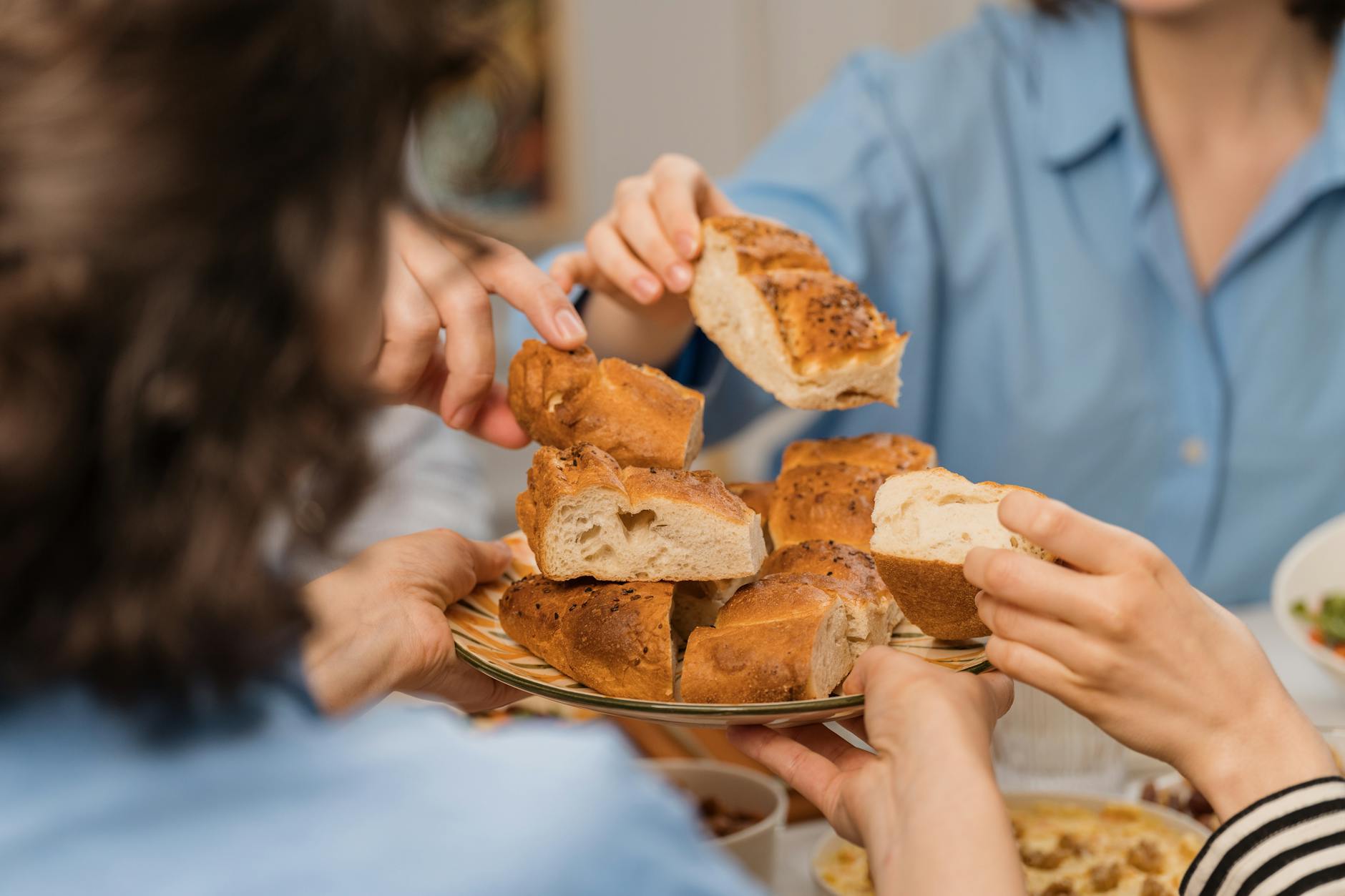
I still remember the Sunday dinner at my friend's house, where we all sat around the table, sharing stories and laughter. It was one of those moments where time stood still, and all that mattered was the company we kept. But as I looked around the table, I couldn't help but think of the early church and their practice of fellowship.
A Biblical Perspective
The Bible has a lot to say about fellowship and community. In Acts 2:42-47, it says, "They devoted themselves to the apostles' teaching and to fellowship, to the breaking of bread and to prayer. Everyone was filled with awe at the many wonders and signs performed by the apostles. All the believers were together and had everything in common. They sold property and possessions to give to anyone who had need. Every day they continued to meet together in the temple courts. They broke bread in their homes and ate together with glad and sincere hearts, praising God and enjoying the favor of all the people. And the Lord added to their number daily those who were being saved." This passage paints a picture of a community that was seriously committed to one another, and to their faith. They didn't just attend church on Sundays; they lived out their faith in everyday life, sharing meals and resources with one another.
I'll be honest, I've struggled with this concept of fellowship. In a world where we're constantly connected to our screens, it's easy to forget the importance of face-to-face interaction. But as I've been reading through the book of Acts, I've been struck by the emphasis on community and fellowship. It's not just about attending church on Sundays; it's about living out our faith in everyday life.
A Historical Perspective
The early church's practice of fellowship was not unique to them. In fact, the Jewish community had a long history of sharing meals together. The Passover Seder, for example, was a meal that brought families and friends together to commemorate the Israelites' deliverance from slavery. But the early church took this practice to a new level, using it as a way to build community and foster a sense of belonging. They didn't just share meals; they shared their lives with one another. And as they did, they experienced a sense of joy and wonder that was palpable to those around them.
It's interesting to note that the early church's practice of fellowship was not without its challenges. In Galatians 2:11-14, Paul writes about a dispute he had with Peter over the issue of fellowship with Gentile believers. Peter had been eating with the Gentiles, but when some Jewish believers arrived, he stopped eating with them, fearing what they might think. Paul confronted Peter, saying, "If you, though a Jew, live like a Gentile and not like a Jew, how can you force the Gentiles to live like Jews?" This passage highlights the tension that existed between different groups within the early church, and the challenges they faced in building a unified community.
A Modern Perspective
So what does it mean to break bread together in our modern context? For me, it means being intentional about building community and encouraging relationships with those around me. It means putting down my phone and engaging with the people in front of me. It means being willing to listen and learn from others, even when we disagree. And it means being open to sharing my life with others, including my struggles and weaknesses.
I've been trying to practice this in my own life, and it's been amazing to see the connections that have formed. Whether it's a weekly dinner with friends or a monthly small group meeting, I've found that sharing meals and sharing life with others has deepened my sense of community and belonging. And it's not just about the food; it's about the conversations, the laughter, and the memories that we create together.
But it's not always easy. There are times when I feel like I'm too busy, or too tired, or too introverted to engage with others. And there are times when I feel like I don't fit in, or like I'm not good enough. But as I've been reading through the Bible, I've been reminded that fellowship is not just about feeling comfortable or accepted; it's about being willing to take risks and be vulnerable with others.
And that's where the rubber meets the road. It's easy to talk about fellowship and community, but it's much harder to put it into practice. It requires effort and intentionality, and a willingness to step outside of our comfort zones. But as we do, I believe we'll experience a sense of joy and wonder that is beyond anything we can imagine.
John 13:35 — "By this everyone will know that you are my disciples, if you love one another."