Solitude's Power
Solitude and Self-Reflection
Solitude is a necessary part of self-reflection, and it can be a powerful tool for personal growth and healing. In this article, we will explore the value of solitude and how to prioritize self-reflection in your daily routine.
The Benefits of Solitude
Solitude has many benefits, both physical and mental. It can help to reduce stress, improve brain function, and boost creativity. It can also increase self-awareness and self-compassion, which can lead to a greater sense of well-being and happiness.
One of the main benefits of solitude is that it allows you to disconnect from the constant noise and distraction of the world around you. This can be especially important in today's fast-paced and highly connected world. When you take time for solitude, you are able to recharge your batteries and clear your mind.
Solitude can improve brain function. Research has shown that spending time in nature or being alone can increase the size of certain regions of the brain, which are associated with memory, attention, and emotional regulation. This leads to improved cognitive function and overall brain health.
Solitude can foster creativity. When you are alone, you are free to think more freely and come up with new ideas. This can be especially helpful for those who struggle with creative block or who need a break from the constant pressure to produce.
Self-Reflection and Solitude
Reflecting on your experiences is essential for making positive changes. It involves taking time to think about yourself, your emotions, and your values, and using this information to inform your decisions.
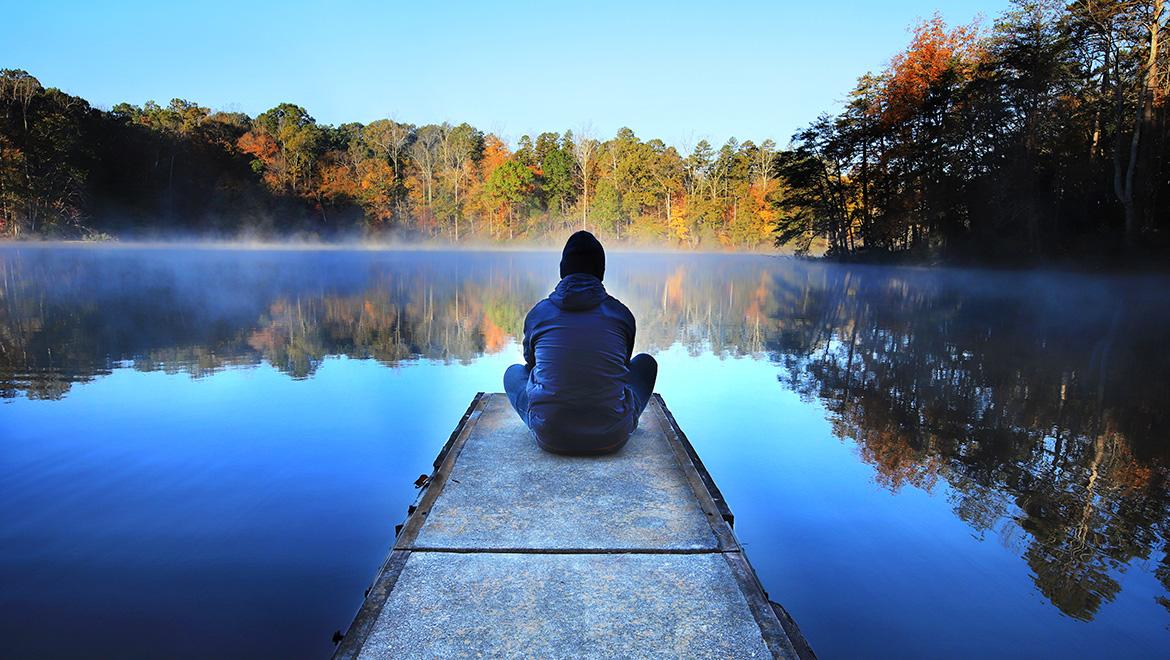
One approach to practicing reflection is to find quiet time. This can be as simple as taking a walk in nature, going for a run, or sitting in a peaceful room. Without the distraction of other people or the constant noise of the world, you can focus on your inner world. I recall a particularly challenging period in my life when I started taking short walks alone in the morning, which helped me process my emotions and gain clarity on the issues I was facing.
Reflecting on your emotions and values can be challenging, but it is rewarding. It helps you understand what drives you and identify areas that need attention. For example, I once spent a weekend alone at a cabin, where I had the chance to reflect on my priorities and goals. I realized that I had been putting too much focus on external validation, and that I needed to shift my attention to what truly mattered to me. This realization has had a lasting impact on my life, and I continue to prioritize time for reflection to ensure I'm staying on track.
Understanding your inner life can be difficult, but it's a crucial part of personal growth. By examining your thoughts, feelings, and motivations, you can gain a deeper understanding of yourself and make intentional decisions that align with your goals and aspirations.
Creating Space for Reflection
Prioritizing quiet contemplation can be a simple yet powerful practice for gaining a deeper understanding of yourself. Here are some tips for doing so:
- Schedule time for solitude: One of the best ways to prioritize reflection is to schedule it in your calendar. Set aside a specific time each day or week to be alone and reflect on your goals and aspirations.
- Find a peaceful place: It can be helpful to find a quiet place to reflect. This could be a park, a quiet room in your home, or a spot in nature. Make sure that the place you choose is comfortable and free from distraction.
- Use a journal: Writing in a journal can help you process your thoughts and gain insight. Journaling helps you organize your thoughts and identify patterns in your behavior and relationships.
- Practice mindfulness: Mindfulness involves being present in the moment and paying attention to your sensations. Practicing mindfulness helps you develop greater awareness of your thoughts and feelings.
In the end, solitude has a significant impact on our well-being. By prioritizing quiet time, you can make intentional decisions that align with your values. Whether you choose to go for a walk, journal, or practice mindfulness, the key is to create space for reflection and find a space that is comfortable and free from distraction, allowing you to engage in thoughtful consideration of your priorities and goals.