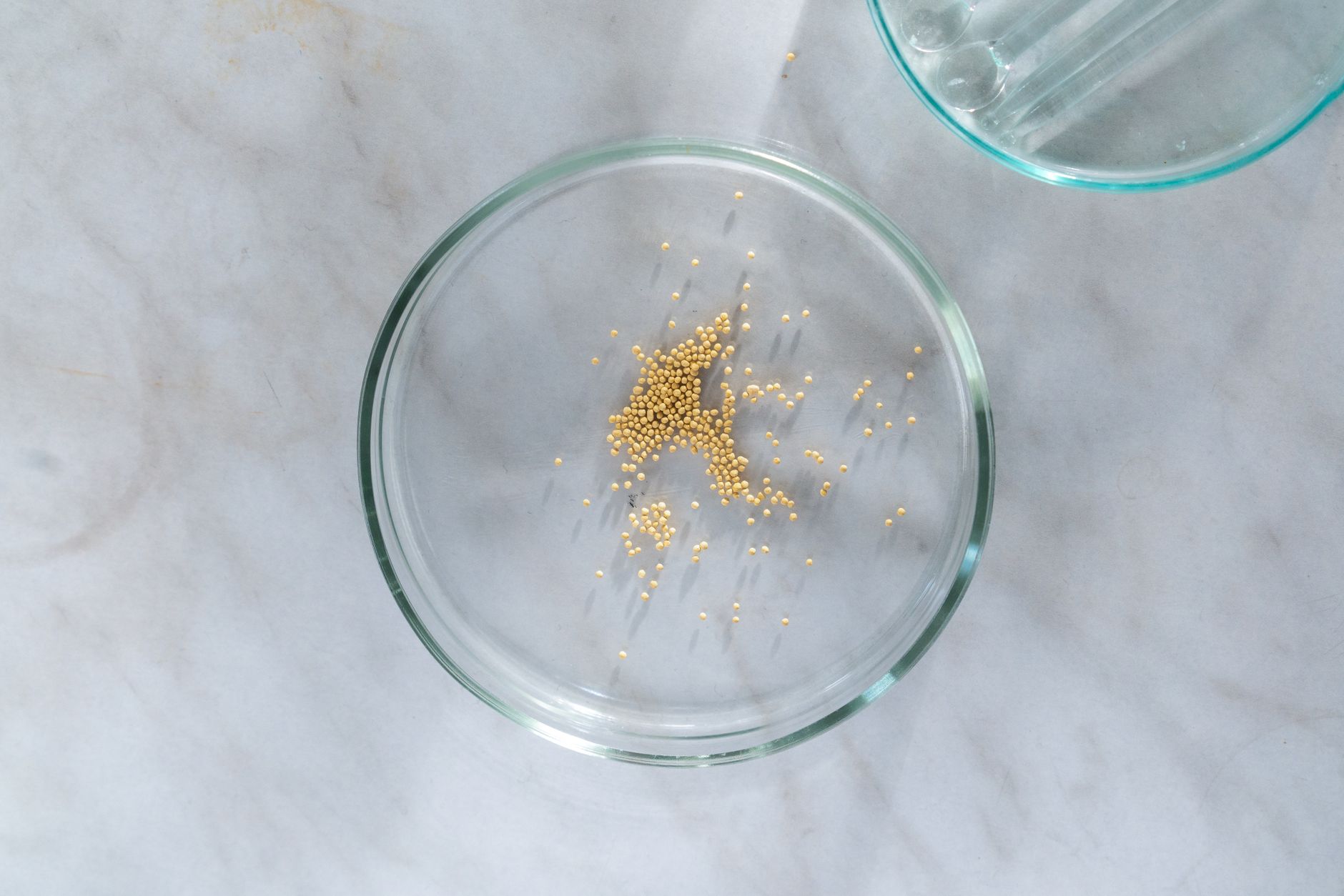
Most people picture a mustard seed as tiny. And sure, compared to a grape or a walnut, it is minuscule. But here is the detail that usually surprises folks: in the ancient Near East, mustard wasn’t just a spice. It was a weed. A stubborn, aggressive, invasive weed that farmers hated because it choked out their crops.
When Jesus told his disciples that faith the size of a mustard seed could move mountains, he wasn’t talking about a delicate, fragile little thing that needs careful handling. He was talking about a seed with explosive potential.
The Parable of the Hidden Potential
Let’s look at the context. In Matthew 17, Jesus is speaking to Peter, James, and John right after the Transfiguration. They have just seen Jesus revealed in glory. They are still processing the shock of it. Then Jesus drops this line about faith.
Why a mustard seed?
Because a mustard plant grows fast. It grows tall. It spreads. It takes over.
If you plant a mustard seed in soil, give it water and sun, and wait a few weeks, you will have a bushy, yellow-flowered plant that might stand two feet high. From a speck of dust to a shrub. That is the logic Jesus is using.
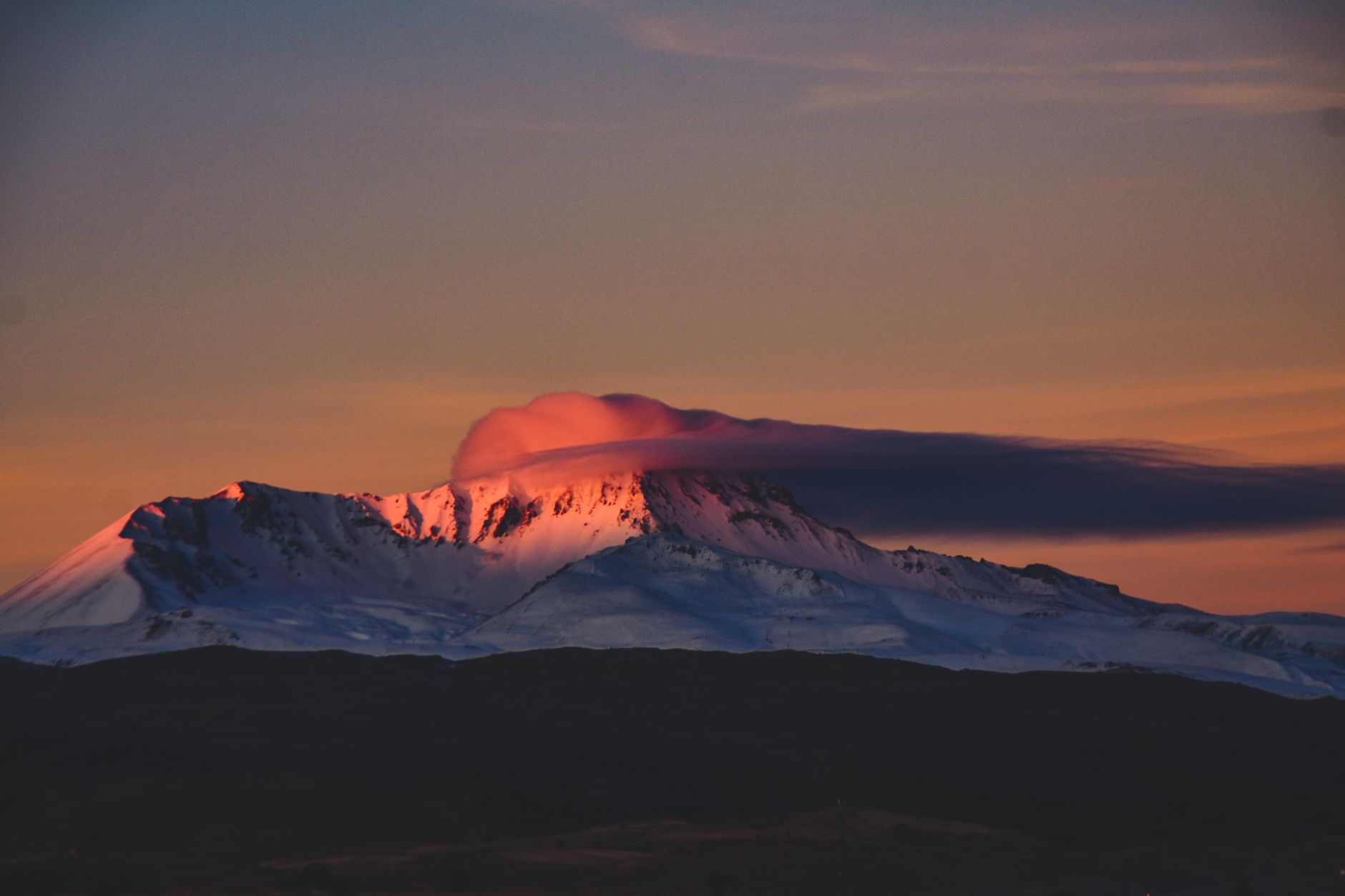
Faith isn’t about the size of your belief. It’s about the nature of it. A mountain doesn’t move because you push it with your hands. It moves when the power behind it is released.
captures this energy:
“Have faith in God,” Jesus told them. “Truly I tell you, if anyone says to this mountain, ‘Go, throw yourself into the sea,’ and does not doubt in their heart but believes that what they say will happen, it will be done for them.”
Notice the key phrase: “does not doubt in their heart.”
The mountain doesn’t move because of your volume. It moves because of your alignment.
Why We Struggle With the "Small" Faith
Here is where it gets personal. I’ll be honest. For years, I thought I had weak faith.
I’d pray, “Lord, help me believe more.” I’d try to feel bigger. I’d try to manufacture a sense of grandeur. I’d read my Bible and think, “I need to feel this more intensely.”
And sometimes, I’d sit there feeling nothing. Just... flat. And I’d get discouraged. I’d think, “See? My faith is small. It’s weak. It’s not enough.”
But that’s the trap, isn’t it? We equate intensity with authenticity. We think if we aren’t crying, we aren’t really praying. If we aren’t trembling, we aren’t really hearing God. We measure our spiritual life by the height of our emotional peaks.
But Jesus didn’t say, “Faith the height of a redwood tree.” He said, “Faith the size of a mustard seed.”
He was lowering the bar. Or rather, he was changing the metric.
It’s not about how big your faith feels. It’s about whether your faith is alive.
A mustard seed looks dead. It looks like dirt. It looks inert. But inside it, there is a blueprint for a plant. There is a command to grow. There is a memory of what it is meant to become.
Your faith might feel like dirt. It might feel like you’re just going through the motions. You might be sitting in your car in the parking lot, dreading walking into your house or your office, wondering if you can really keep going.
That doesn’t mean your faith is dead. It means it’s dormant. And dormancy is not the same as death. Dormancy is waiting. Dormancy is preparation.
The Autumn of Trust
We are in the middle of autumn now. The leaves are turning. The days are getting shorter. The air is crisp.
Autumn is a season of letting go. Trees don’t fight the cold. They release their leaves. They strip themselves down to their bare branches. It looks vulnerable, doesn’t it? Those skeletal trees standing against the gray sky. But it’s necessary. It’s survival. It’s conservation.
There is a lesson here for our faith.
Sometimes, faith looks like stripping away. Sometimes, it takes the form of silence. Other times, it simply means waiting.
Think about Abraham. He waited 25 years for a child. Twenty-five years. Can you imagine the quiet of those years? The daily routine without the miracle breaking through? He didn’t see a massive explosion of power every day. He saw a slow, steady unfolding.
reminds us of the endurance required:
“So that you do not grow weary and fall short, imitate those who through faith and patience inherited the promises.”
Patience. Endurance. The kind of faith that can sit in a room and wait for an hour without checking your phone. The kind of faith that can say, “Not yet,” and trust that “not yet” is not “never.”
From Personal Seed to Communal Harvest
So, how does this apply to us?
First, stop trying to feel big. Start trying to be consistent. Water the seed. Give it light. Keep it in the soil.
Second, stop doubting the process. Just because you can’t see the root growing doesn’t mean it isn’t happening. Growth is often invisible before it is visible.
Third, remember that your faith is not just for you.
This is where the lens widens.
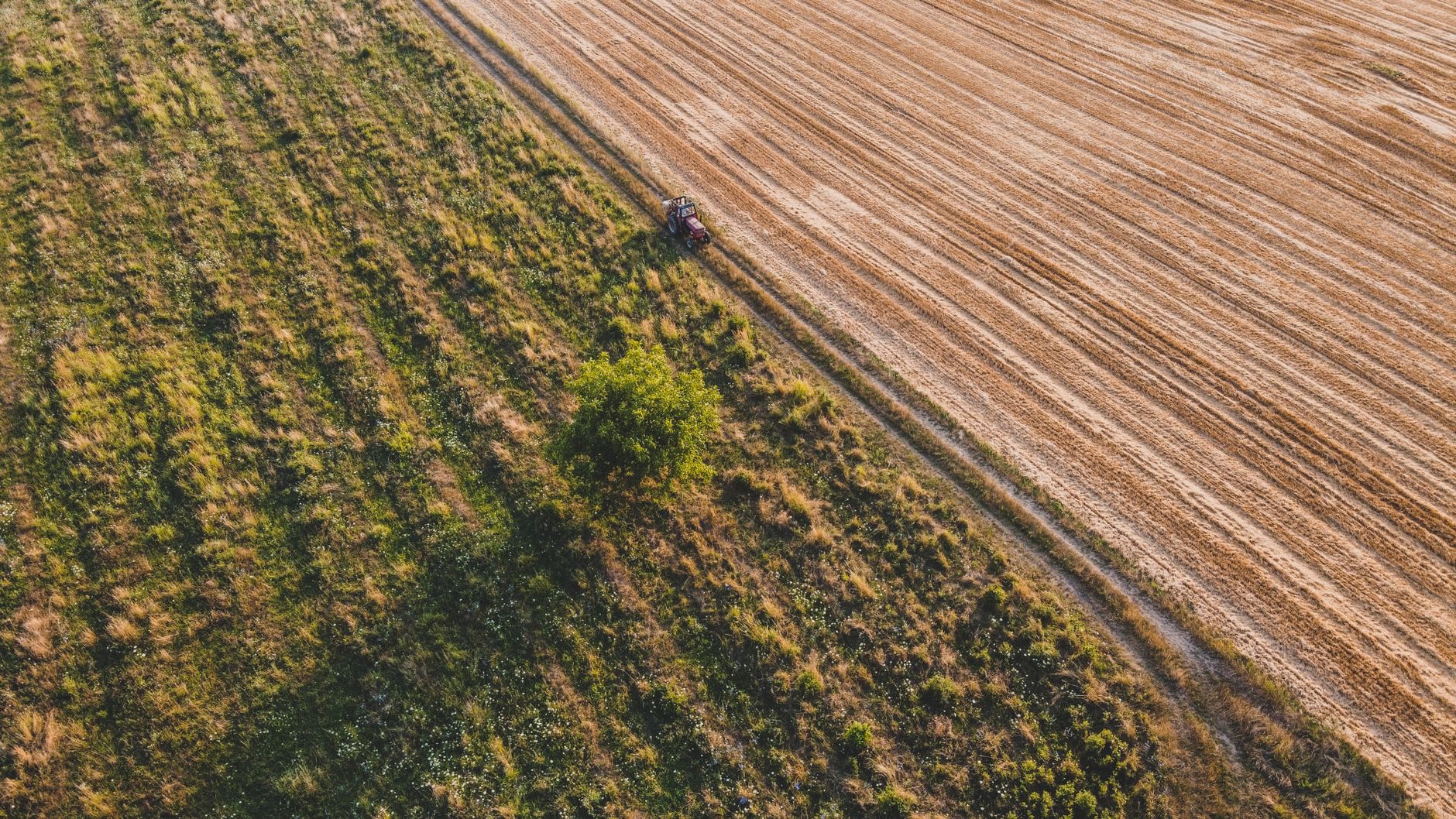
A single mustard plant is nice. But a field of mustard plants? That’s a harvest. That’s food. That’s community.
God’s work has never been just about individual salvation, though it starts there. It’s always been about the formation of a people. A covenant community. A family.
When you plant your mustard seed of faith in the soil of your own life, you are participating in a larger ecosystem. You are connected to the roots of those who came before you. To the faith of your parents, your grandparents, the early church, the prophets, the patriarchs. Their faith fed yours.
And your faith will feed the faith of those who come after you. Your children. Your students. Your neighbors. Your friends.
The mountain moves not just for you, but for the valley below. It clears a path. It alters the terrain. It allows new things to grow in its wake.
So, take a look at your own faith right now. Maybe it’s a thriving garden. Perhaps it’s a single, stubborn weed pushing through the pavement. Or maybe it’s a seed buried deep in the dark earth, waiting for spring.
Whichever it is, it has potential. It has power. It has a destiny.
Trust the seed. Trust the soil. Trust the Gardener.
And watch what happens.