The Empty Stomach: Why Jesus Told Us to Starve for God
— “This kind does not go out except by prayer and fasting.”
Let that sit for a second.
No context. No soft intro. Just Jesus, looking at the disciples who just failed to cast out a demon, and telling them they need to stop eating.
It’s jarring. In our culture, we treat food as comfort, fuel, and identity. We say “you are what you eat.” We buy gift cards for restaurants. But Jesus looks at the most stubborn, unshakeable spiritual strongholds in our lives and says, “You’re not going to break this with a nice chat. You need to fast.”
It’s an uncomfortable prescription. And honestly? I’ve struggled with this too. For years, I read those verses and felt a bit of shame. I’d try to fast from lunch until dinner, get irritable by 2:00 PM, and eat a handful of almonds that tasted like cardboard. Then I’d quit by 4:00 PM, feeling like a failure rather than someone seeking God.
But here is the thing about fasting in Scripture: it was never really about the food. It’s about the hunger.
The Word Behind the Practice
To understand why Jesus insisted on this, we have to look at what “fasting” actually meant in the first century. In Hebrew and Greek, the concept is tied to abstinence or withholding. It’s an active choice to say “no” to a physical need so that your spiritual attention can sharpen.
Think of it like tuning a radio. You know how when you have too many stations playing at once, the signal is muddy? Fasting clears the static. When you remove one voice from the room—food, coffee, social media, sex—the other voices get louder. Specifically, God’s voice gets clearer.
Historically, fasting was a sign of deep mourning or urgent appeal to God. It’s not a “nice to have” for spiritual snobs. It’s the posture of someone who realizes they can’t do this alone.
And that brings us to a crucial distinction that changes everything.
It’s Not About Punishment; It’s About Priority
There is a persistent myth that fasting is self-flagellation. That you starve yourself to punish your flesh for being weak. If that’s why you fast, you’ll end up resenting God by the second hour.
But look at how Jesus modeled it. He fasted for forty days in the wilderness (). And what was His motivation? It wasn’t to prove He was tougher than the Pharisees. It was preparation for His public ministry. He needed to be in total alignment with the Father before He stepped into the arena of temptation, healing, and eventually, the cross.
Fasting is a tool for alignment. It’s a way of saying to your body, “You are important, but you are not the boss.”
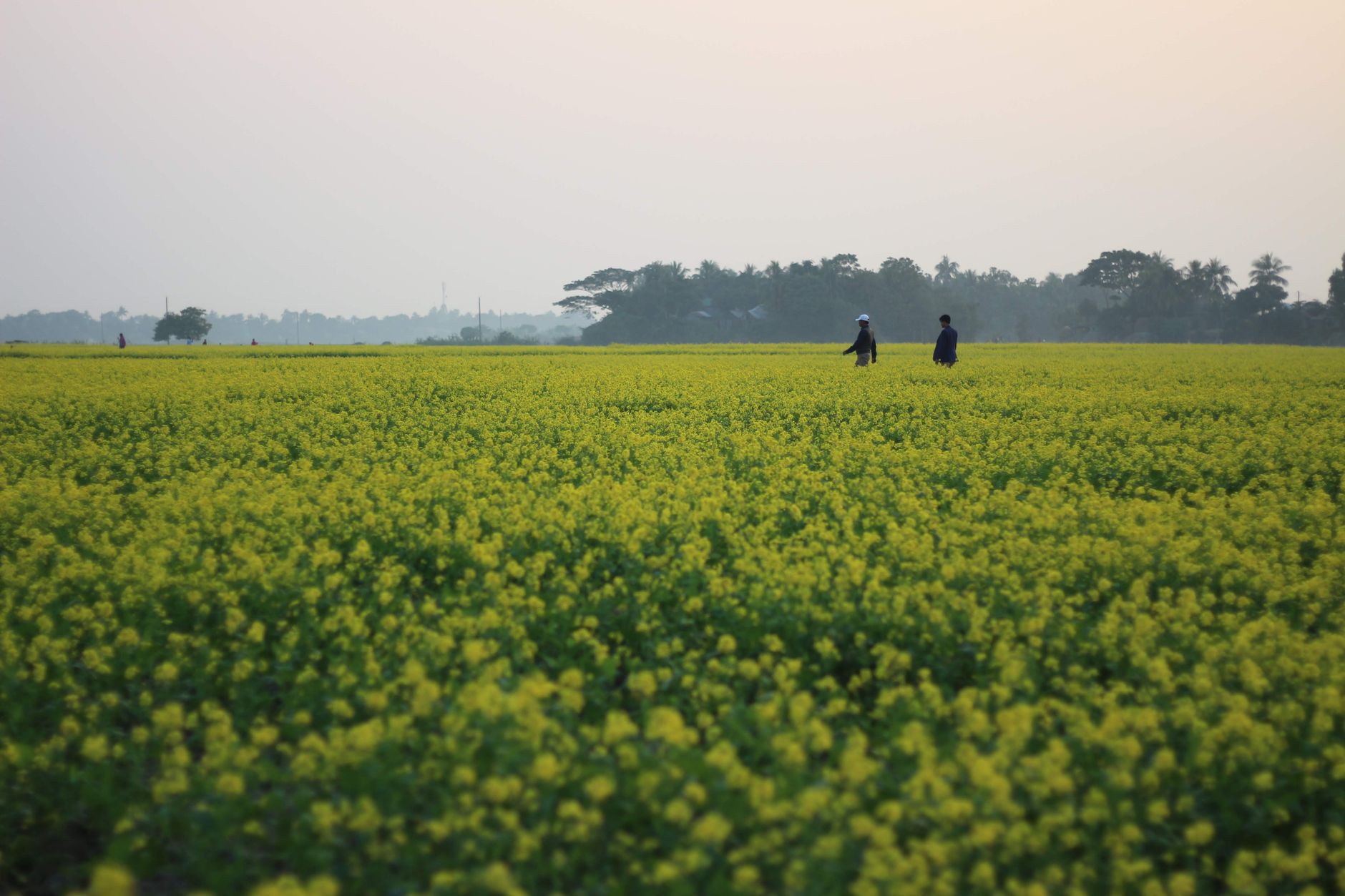
I think about this during harvest season. It’s a time when the rhythm of life changes. New school years start. Work schedules get weird. We’re often exhausted, running on fumes and caffeine. It’s easy to let the physical grind drown out the spiritual one. We stop praying because we’re too tired. We stop listening because our minds are buzzing with to-do lists.
Fasting cuts the cord. It forces a pause that your busy brain won’t voluntarily take for you.
What Jesus Was Really Saying to the Disciples
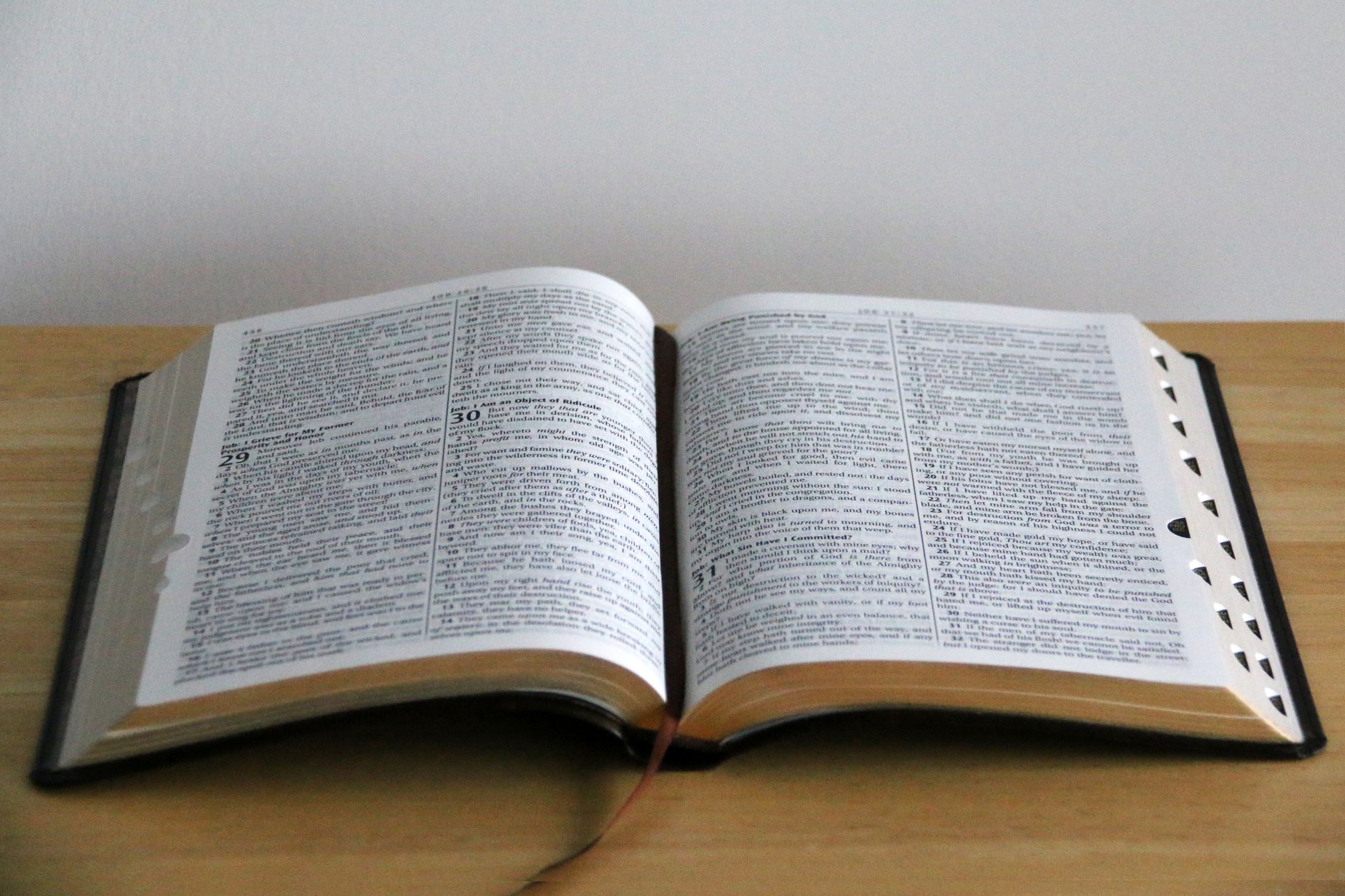
Let’s go back to Matthew 17. The disciples had tried to cast out a demon and failed. They were frustrated. And Jesus told them, “This kind does not go out except by prayer and fasting.”
Notice He didn’t say, except by stronger willpower or better theology. He said prayer and fasting.
Why?
Because the disciples were trying to fight their spiritual battles with human effort alone. They wanted to be heroes. But Jesus was pointing them toward dependence. Fasting strips you of your self-reliance. When you’re hungry, you are vulnerable. You can’t do much else when your stomach is growling and your blood sugar is low.
That vulnerability is the point.
It’s like trying to lift a heavy weight. You can’t do it on an empty tank, but you also don’t need to be bloated with a heavy meal. You need the right fuel. In this case, the “fuel” is spiritual focus.
There’s a serious irony here that I find compelling: We often think we need to be full before we can serve God. Physically and emotionally full. But Jesus suggests that sometimes, we need to be empty before we can truly hear Him.
It’s counterintuitive. But it works.
How to Actually Do This (Without Losing Your Mind)
Okay, so you want to try this. But you’re a busy adult with a life. You don’t have time for a 40-day desert sojourn. Here is how I see it working in everyday life:
Start small. Don’t try to fast from everything for a week. Pick one thing. Maybe it’s coffee. Or maybe it’s television on weekends. Or maybe, as the text suggests, just food for a few hours in the morning.
The key is intentionality. You have to decide why you are doing it. Are you fasting because you’re anxious about work? Then pray for peace. Are you fasting because you feel distant from God? Then pray for closeness.
Don’t just sit in a room and starve while checking your phone. That defeats the purpose. The fasting creates the space; the prayer fills it.
I’ve found that the most powerful moments of prayer happen when I’m a little hungry, a little tired, and a little less distracted. The noise of the world gets quieter when I’m not constantly feeding it.
A Note on Grace and Health
Now, let’s be real for a second. Fasting isn’t for everyone at every moment. If you’re pregnant, managing diabetes, or recovering from an illness, don’t feel guilty about eating. God isn’t a masochist. He’s not trying to make you miserable.
For some people, a strict food fast is the right tool. For others, a “media fast” or a “rest fast” might be more appropriate. The principle is the same: abstinence from something good to focus on God.
Don’t let a legalistic version of this practice become its own idol. If you fast and feel judgmental toward people who eat, you’ve missed the point entirely. Jesus ate with tax collectors and sinners. He wasn’t always fasting. He was present.
The Harvest of Your Soul
We’re in a season of new beginnings right now. The air is crisp. The light changes earlier. It’s a natural time to look at what we’re harvesting in our lives.
Are we harvesting peace? Or stress? Are we harvesting faith? Or fear?
Fasting is a way to clear out the weeds in that harvest. It’s not about working harder. It’s about listening better.
It’s a reminder that God is real, and He is near, even when our physical needs are loud.
There’s a quiet power in saying “no” to food so you can say “yes” to God. It’s a small act of rebellion against the world that tells us we are what we consume. You are not just a stomach. You are a soul, and that soul is hungry for something that food can never satisfy.
A Prayer for the Hungry Heart
Lord, I’m tired of being distracted by things that only last a moment. Help me to be hungry for You, not just for the next meal or the next scroll on my phone.
I don’t always know how to do this right. I get irritable. I get confused. But I want Your voice to be the loudest thing in my head today.
Clear away the noise, God. Starve me of everything that keeps me from You, so I can finally hear what You’re trying to say.
Amen.