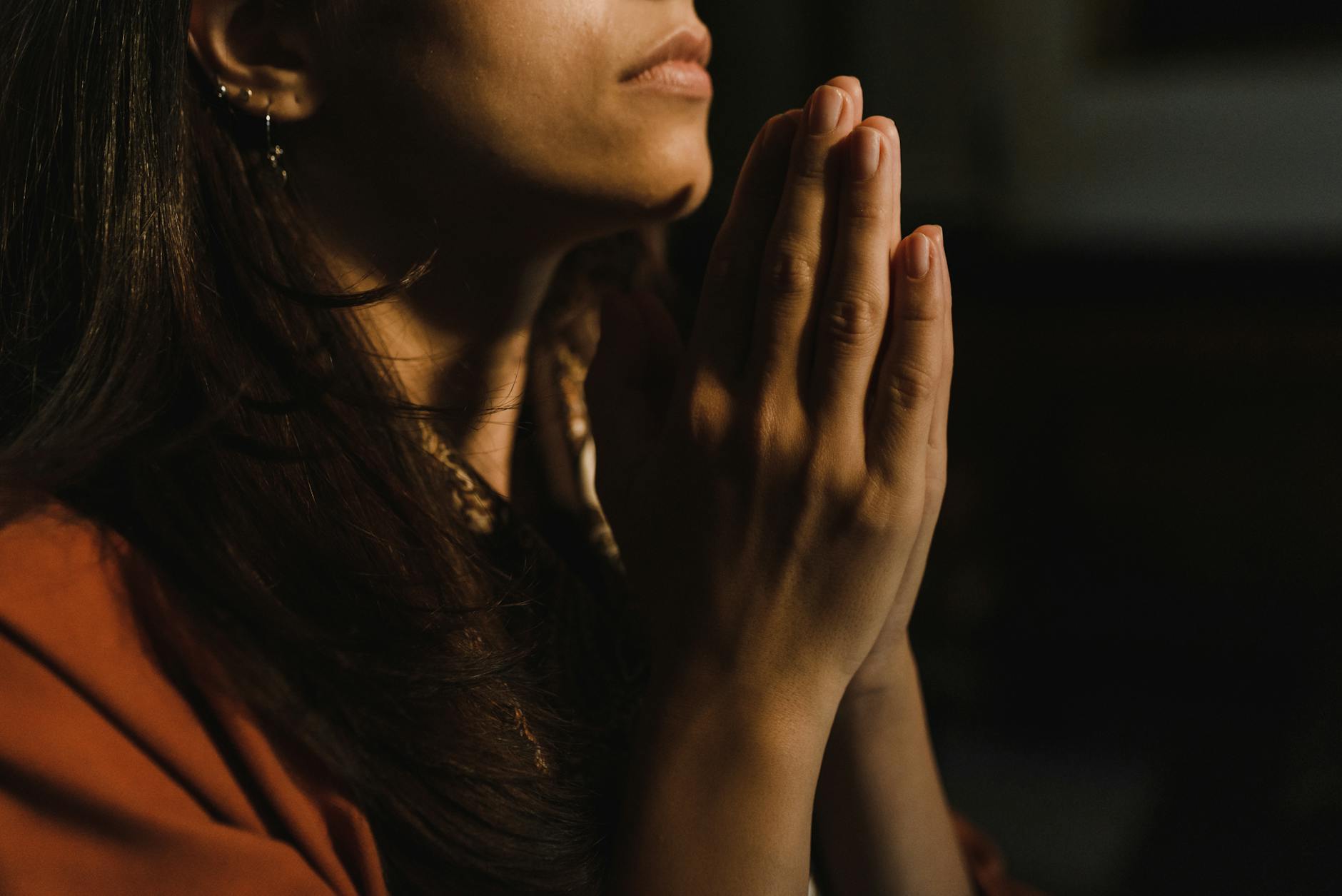
God's Invitation to the Table
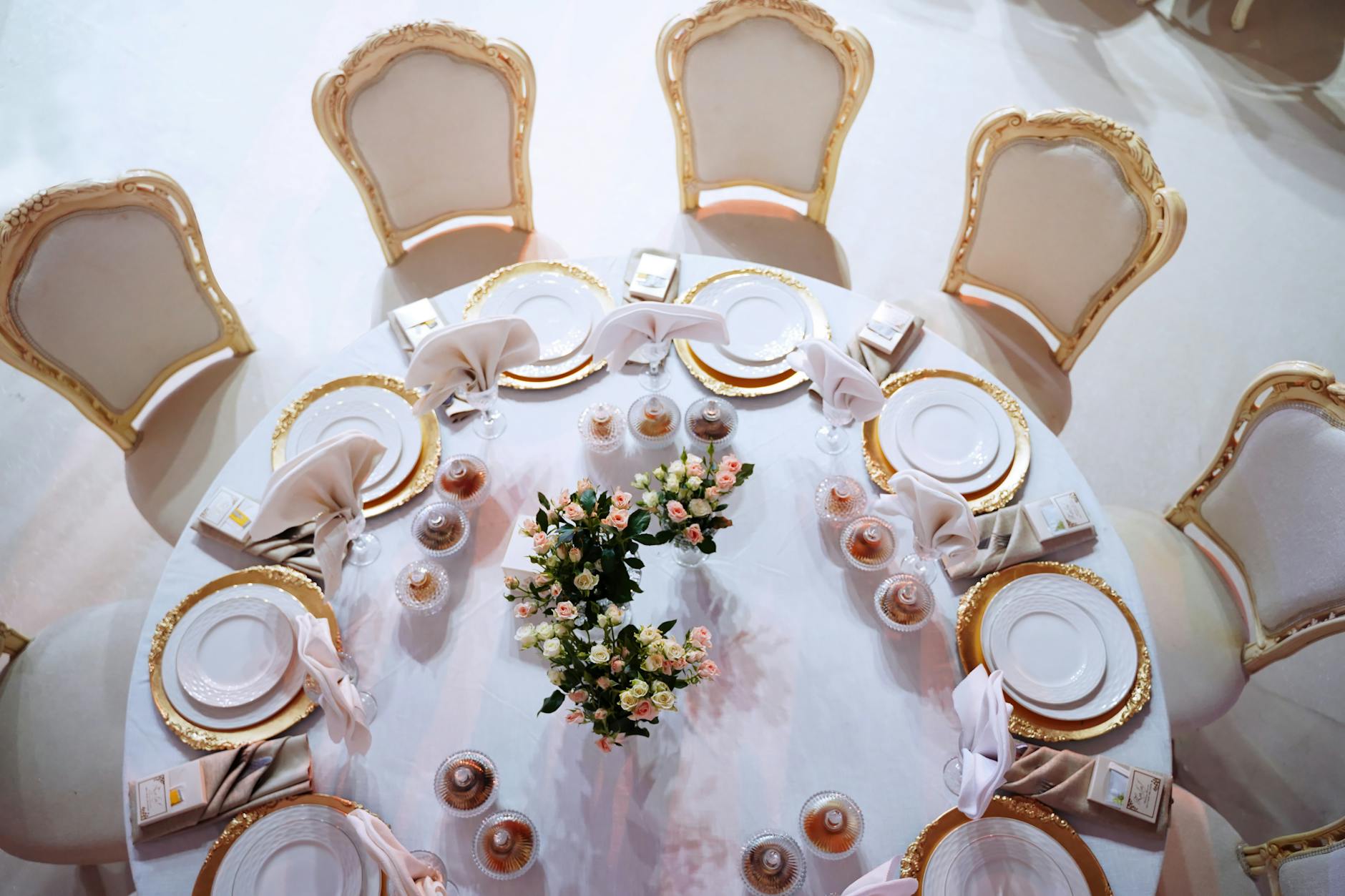
"But when the king came in to look at the guests, he saw there a man who had no wedding garment. And he said to him, 'Friend, how did you get in here without a wedding garment?' And the man was speechless. Then the king said to the attendants, 'Bind him hand and foot and cast him into the outer darkness. In that place there will be weeping and gnashing of teeth.'" —
I still remember the day I realized I had been living in a world of my own making, separate from the vibrant community God had designed for me. It was a moment of clarity, like a veil had lifted, and I saw that I had been excluding myself from the very table God had spread before me. This biblical account had been speaking to my heart for a while, but it wasn't until I felt the weight of my own exclusivity that I felt a deep conviction. This conviction led me to re-examine my relationships and priorities, and I found myself at a community dinner, surrounded by people from different backgrounds, all sharing stories and laughter. In that moment, I felt a deep connection and belonging that I had been missing.
Before: The Invitation Extended
The king's banquet, as recorded in , , and other Gospels, tells us of a generous invitation to all. The king invited many guests, but they refused to come. Some made light of the invitation, while others responded with hostility. The king, undeterred, sent his servants to invite anyone they could find — the poor, the crippled, the blind, and the lame. The hall was filled with guests, but one man stood out for not wearing a wedding garment.
My own journey had been marked by a similar sense of disconnection. I had received the invitation to follow Jesus, but I had been making excuses, prioritizing my own desires over His call. I had been living in a state of spiritual lukewarmness, unsure of what I truly believed or wanted. The king's invitation represents God's call to us all — a call to come and celebrate with Him, to be part of His family.
A Moment of Transformation
This moment of transformation came when the truth of God's love finally sank in. As I reflected on this biblical narrative, I came to understand that God desires to fill His table with people from all corners of society — the marginalized, the oppressed, and the broken. He wants us to come as we are, but also to be transformed by His love and presence.
The man without the wedding garment represents those who think they can come to God on their own terms, without yielding to His ways. But God is not interested in superficial appearances; He desires a deep, heart-level transformation. When this realization took hold of me, it became clear that I had been trying to fit into God's kingdom on my own terms, rather than embracing His design. This newfound awareness brought freedom and joy, as I started to let go of my need for control and allowed God to work in my life.
After: A New Way of Living
As this new understanding took root, my perspective on the world around me shifted. I realized that every person I met was an opportunity to extend God's invitation — to welcome them to the table, to show them love and kindness. I found myself engaging with individuals from varied experiences, listening to their stories and sharing my own. In these interactions, I discovered purpose and a feeling of being rooted in a community that I had never known before. For instance, I recall a time when I was able to share a meal with someone who was struggling, and we were able to connect on a deeper level, finding common ground and understanding.
This biblical account teaches us that God's kingdom is not about exclusivity, but about embracing diversity. It's not about who we think should be there, but about who God wants to invite. Living this out has brought me joy and a feeling of being part of something larger than myself.
The Question Before Us
What will we do with the invitation God extends to us? The king's banquet is clear: we are either living in the light of God's love, or we are excluding others from the table He has spread before us. The choice is ours, and the invitation is open. Will we choose to live with hearts that are open to God's presence, and to the people He brings into our lives? Our response to this question will shape our daily lives, influence our relationships, and guide our actions towards others.
Will we choose to live in harmony with God's heart, or will we continue to exclude others from the table He has prepared? The choice is ours, and the invitation remains. How will we respond to it, and what impact will our decision have on those around us?