The war isn’t in heaven; it’s under your feet.
You’ve probably felt it. That low-level hum of anxiety that won’t quit. The sense that no matter how hard you try to “be positive,” something is pulling at your heels. We live in a culture that treats stress like a weather event—just something that happens to you. But Paul, writing from prison about eighteen hundred years ago, saw it differently. He didn’t see a weather report. He saw a battlefield.
It’s early autumn here. The leaves are turning, the air is crisp. There’s a weird energy to this time of year. We’re all resetting. New school years, new routines, the quiet realization that another year is half gone. It’s a good time to ask: What am I actually fighting for?
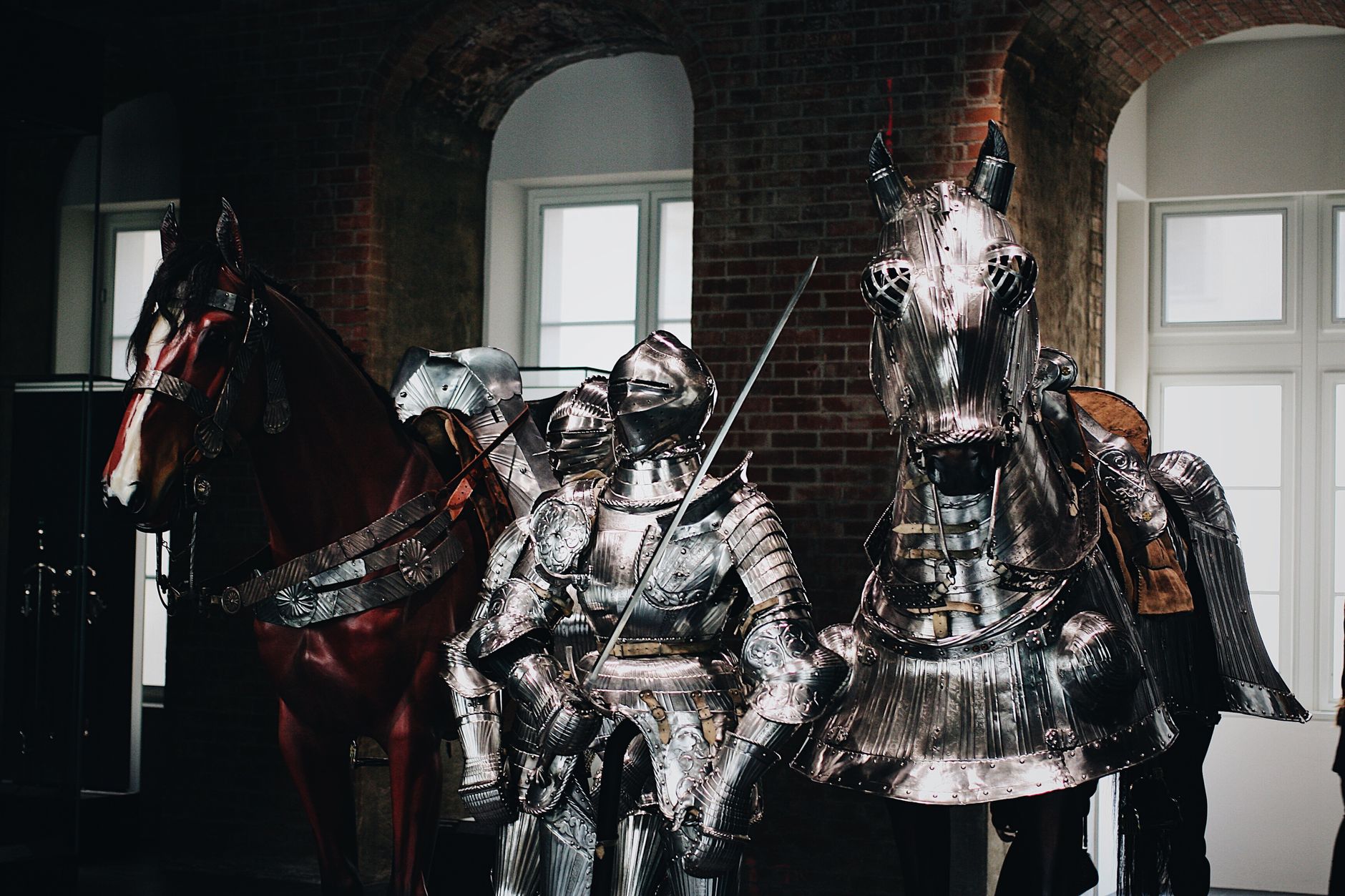
Paul’s answer is found in . Most of us know the “Armor of God” list. Belt of truth. Breastplate of righteousness. Shoes of the gospel. Shield of faith. Helmet of salvation. Sword of the Spirit. We’ve seen it on t-shirts. We’ve heard it in sermons. But do we really get it? Or is it just a neat mnemonic device for Sunday school?
Let’s slow down. Let’s walk through it, verse by verse, and see what Paul is really saying.
The Call to Strength ()
— “Finally, soldiers of the cross, put on the full armor of God, so that you can take your stand against the devil, strategies.”
Paul starts with a command. “Finally... put on.” This isn’t optional. It’s not a suggestion for the spiritually elite. It’s for everyone. And notice the enemy he names. It’s not “sin.” It’s not “bad habits.” It’s “the devil.” Personal. Active. Strategic.
This is where a lot of us stumble. We want the adversary to be vague. “Satanic forces” sounds safer than “the devil.” But Paul doesn’t mince words. He knows that if you don’t name the foe, you can’t fight him.
The Belt and the Breastplate ()
— “Therefore, soldiers of the cross, put on the full armor of God, so that when the day of darkness comes, you may be able to stand.”
Okay, first item. The belt. In Roman armor, the belt held everything else together. If your belt slips, your breastplate falls off. Your sword dangles. You’re a mess.
Paul calls this “truth.” Not “religious knowledge.” Not “moral codes.” Truth. The kind that holds your life together. Think about it. When you’re stressed, what do you need? Facts. Clarity. Someone to tell you the truth, even if it’s uncomfortable. That’s the belt. It keeps the rest of the gear in place.
Next up. The breastplate. It protected the heart. In ancient warfare, the heart was the center of courage. If your heart is exposed, you’re afraid. Paul calls this “righteousness.”
Now, pause. Don’t roll your eyes. I know. “Righteousness” is a heavy word. It smells like old church basements and stern preachers. But listen. In this context, it’s not about being perfect. It means having a right standing before God. It’s about knowing that your heart is safe. That you are loved. That you are accepted.
When you wear that breastplate, you don’t flinch when the adversary throws a dart. You keep moving. Because your heart is guarded.
The Feet and the Shield ()
— “with your feet fitted with the preparation of the gospel of peace;” — “in all circumstances take up the shield of faith, with which you will be able to quench all the fiery darts of the wicked one.”
Moving down. The feet. Paul says they are “fitted with the preparation of the gospel of peace.” This is interesting. The feet aren’t just for standing. They’re for walking. For moving.
Think about it. The gear isn’t just defensive. It’s mobile. You’re not supposed to sit on the couch and wait for the adversary to come to you. You’re supposed to walk. To go. To share. The message of peace isn’t just a slogan. It’s a motivation. It’s the reason you get up in the morning. It’s the fuel in your tank.
And this is where it gets personal. I’ll be honest. I’ve struggled with this part. I’ve had seasons where I felt stuck. Where my feet were rooted in fear. I’d read these verses and think, “Yeah, easy for Paul to say. He had a whole community behind him.” I didn’t feel equipped. I felt alone.
But here’s the thing. The gear works. Even when you don’t feel it. Especially when you don’t feel it. The feet are ready. You just have to take the step. One small step. Then another. The momentum builds.
Now, the shield. “Faith.” And what does it do? It “quench[s] all the fiery darts of the wicked one.” Darts. Small, fast, burning. They’re designed to distract. To confuse. To make you doubt.
The shield doesn’t stop the darts. It absorbs them. It holds them up until they burn out. And that’s what faith does. It holds up the accusations. “You’re not enough.” “You failed again.” “God is tired of you.” Faith says, “No. You’re enough. You haven’t failed. God is not tired.”
It’s not a wall. It’s a sponge. Soak it up. Let it burn out. Keep moving.
The Helmet and the Sword ()
— “taking the helmet of salvation, and the sword of the Spirit, which is the word of God.”
Up top. The helmet. “Salvation.” It protects the mind. The head. Where your thoughts live. Where your identity is formed.
If your helmet is loose, your mind is exposed. The adversary can whisper. “Who are you?” “Where did you come from?” “Why are you here?” The helmet answers. “You are saved. You are chosen. You have a purpose.”
It’s not just about going to heaven. It means knowing who you are right now. In this moment. With this breath. The helmet secures that identity.
And finally. The sword. “The word of God.” This is the only offensive weapon in the kit. Everything else is defense. The belt, the breastplate, the shield, the helmet. They protect. The sword attacks.
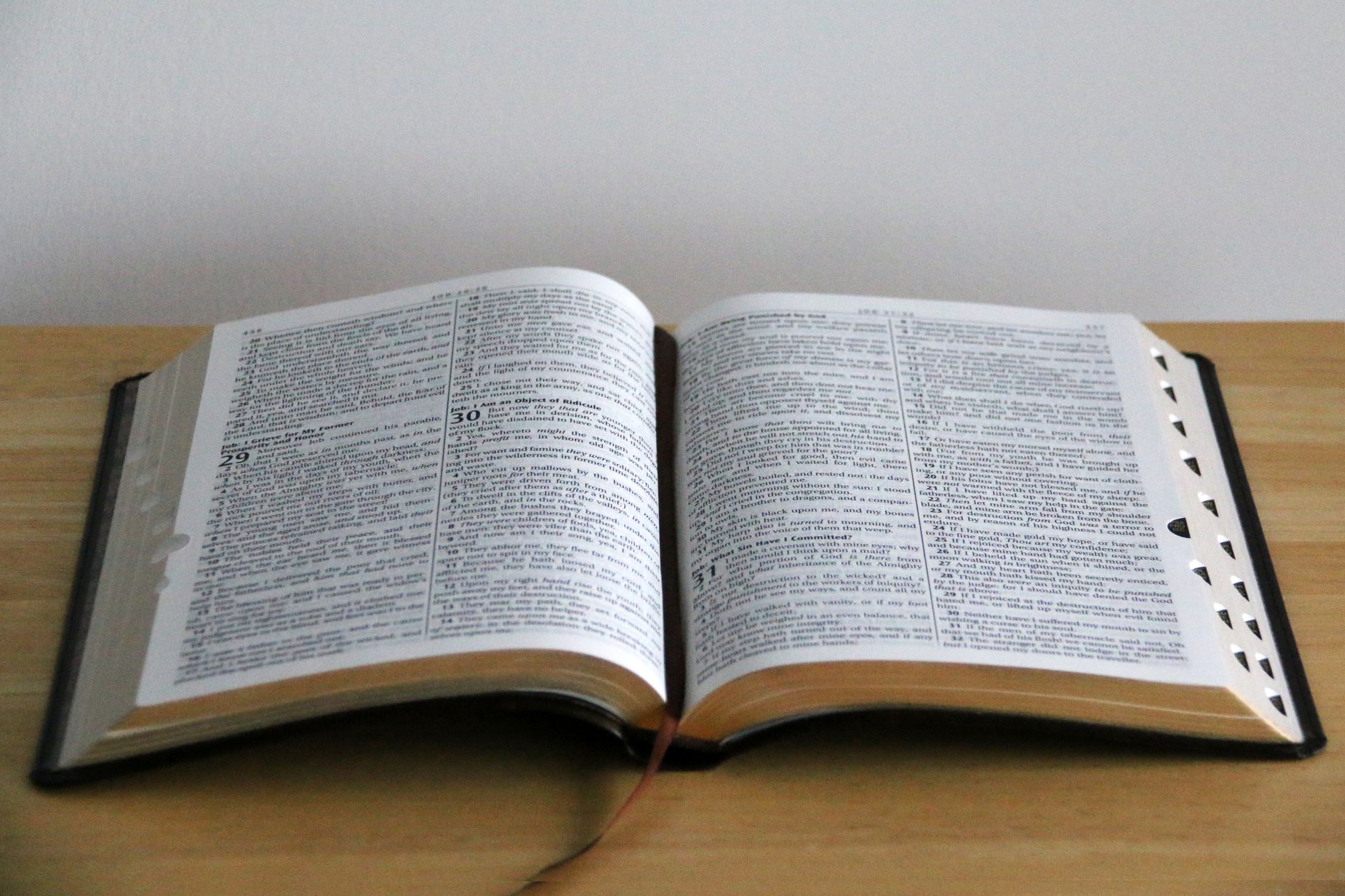
And it’s not a metaphor. It’s not “spiritual insight.” It’s the Bible. Specifically, the written Word. When the adversary challenges you, you don’t argue back with logic. You quote. You declare. You wield the text.
I remember a time when I didn’t have my sword. I was going through a season of doubt. I hadn’t opened the Bible in weeks. My mind was a fog. And when the adversary came—and he always comes—I had nothing to say. I just absorbed it. I let the darts hit. And I got tired.
But then I picked it up. Just a few verses. Maybe ten minutes. And something shifted. The fog lifted. I had a voice. I could speak. The sword was sharp. And it cut.
The Secret Weapon ()
— “Pray at all times in the Spirit, with all prayer and supplication. To that end, keep alert and continue to give thanks to God.”
And then, the kicker. The thing that ties it all together. Prayer.
Paul says, “Pray at all times.” Not just when you’re in trouble. Not just when you need something. Constantly. In the Spirit. With all prayer and supplication.
This is the engine room. The fuel gauge. The compass. Without it, the gear is dead weight. You’re wearing it, but you’re not moving. You’re not fighting. You’re just standing there.
“Keep alert and continue to give thanks to God.” Alert. Watchful. Expectant. And grateful. Not because things are perfect. But because God is faithful.
This is the part I’m working on. The “constant” part. It’s easy to pray when I’m scared. It’s easy to pray when I’m thankful. It’s hard to pray when I’m indifferent. When I’m bored. When I’m busy.
But that’s the point. That’s the discipline. That’s the training. You don’t wait for the adversary to show up to suit up. You suit up before you leave the house. You check your belt. You check your breastplate. You check your feet. You check your shield. You check your helmet. You check your sword. And you pray.
Every single time.
The Battle Continues
So, what’s the takeaway? What’s the big idea here?
It’s this: You are not fighting alone. And you are not fighting unarmed.
You have a kit. A full set. Designed for you. By the Creator. For the specific purpose of keeping you standing.
The belt holds your truth together. The breastplate guards your heart. The feet move you forward. The shield absorbs the darts. The helmet secures your mind. The sword cuts the lies.
And the prayer? The prayer powers it all. Keeps it running. Keeps it alive.
This is the beauty of it. It’s not complicated. It’s not mystical. It’s practical. It’s tangible. You can see it. You can touch it. You can wear it.
And that’s what makes it work. That’s why Paul wrote it down. That’s why we still read it.
Because it’s true.
The war is real. The adversary is real. The stakes are real.
But so is the victory.
So, suit up. Check your gear. Take a breath. And step out.