The Gratitude Trap: Why Thankfulness Isn’t Just a Feeling
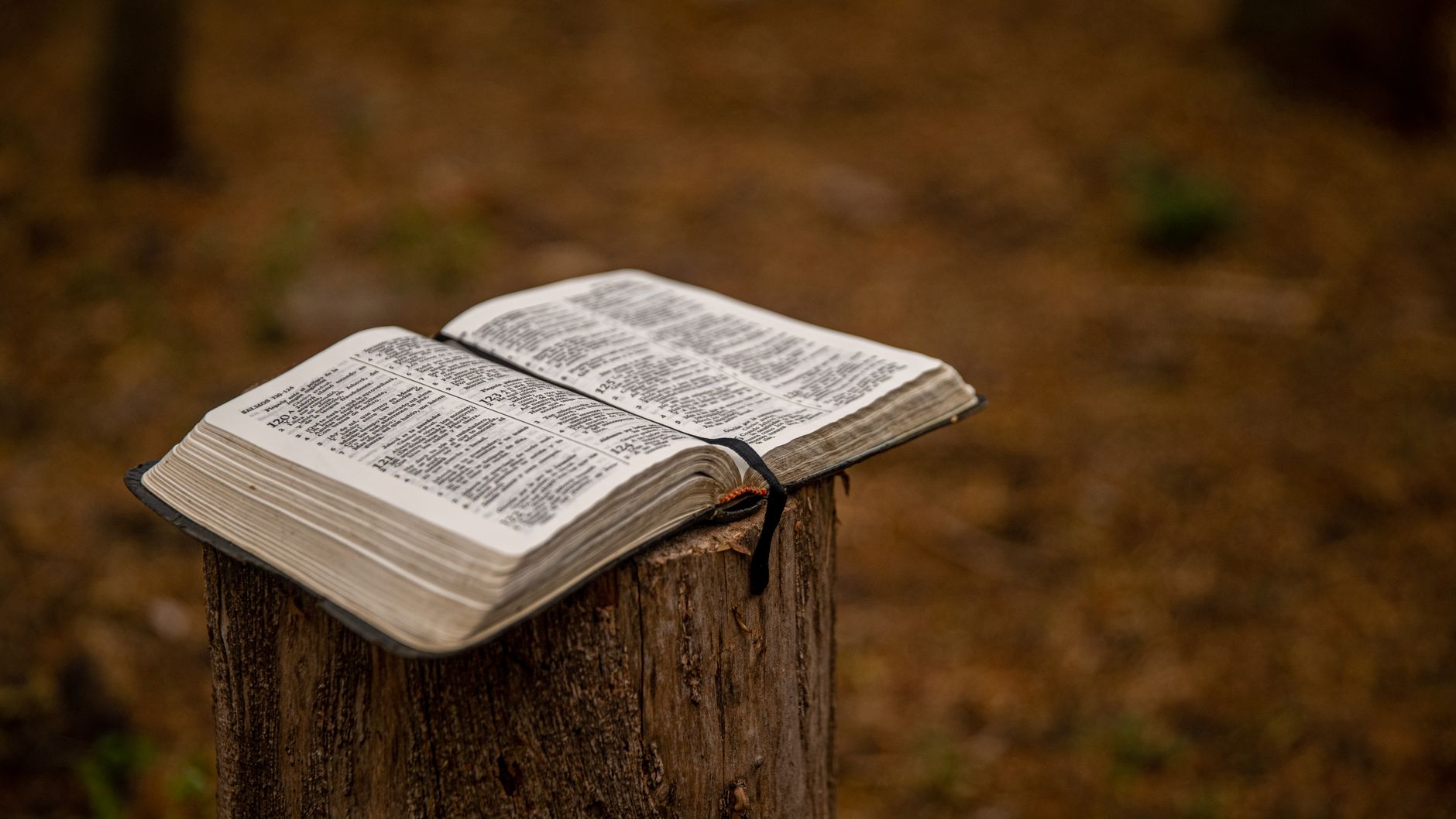
— "And whatever you do, whether in word or deed, do it all in the name of the Lord Jesus, giving thanks to God the Father through him."
There it is. The command. The imperative. Giving thanks.
It sits there in the middle of a letter written by Paul to a church that was likely struggling with everything we’re struggling with today—division, confusion, the weight of expectation. And he doesn’t say, "When you feel happy, give thanks." He doesn’t say, "Only when the sun is shining and your coffee is hot." He anchors it to the action itself. Whatever you do.
Even the boring stuff. Even the hard stuff.
We’ve made gratitude a mood ring. If we feel good, we’re grateful. If we feel anxious, we’re ungrateful. We treat thankfulness like a reward for a life that’s going well, rather than the lens through which we view a life that’s messy.
But look at the season we’re in right now. It’s early summer. The days are stretching out, long and golden, begging you to slow down. The air smells like cut grass and warm pavement. There’s an abundance in the way the light hits the trees at 8 PM, a kind of lazy, lazy grace. It’s easy to be grateful in this weather. It’s easy to look at the harvest of the year beginning and feel a sense of fullness.
So why does it still feel like work?
Why does the command to "give thanks" sometimes feel like a chore, or worse, a judgment on our inability to feel joy?
I’ll be honest, I’ve struggled with this too. There are mornings when I wake up and the weight of the day is already pressing on my chest before my feet hit the floor. The emails are waiting. The news is loud. The quiet isn’t quiet anymore. And I try to force the words "thank you" out of my mouth, but they feel hollow, like coins dropped in an empty jar. I’m thanking God for the big stuff—the salvation, the grace, the cross—but the small stuff? The traffic, the sore back, the uncertainty? That feels like too much to wrap in gratitude.
We tend to view thankfulness as a theological concept. A doctrine. Something we recite in liturgy or check off a spiritual discipline list. But in Scripture, eucharisteō—the Greek word for giving thanks—is tied closely to chara, or joy. It’s not just politeness. It’s an acknowledgment of source.
When Jesus feeds the five thousand, He doesn’t just snap His fingers and make bread appear. He takes the loaves, gives thanks, and breaks them. The miracle isn’t just the multiplication; it’s the consecration of the ordinary. He thanks God for the little that is, trusting it will become enough for the much that is needed.
That’s the trap we fall into. We wait for the "much" before we thank God for the "little." We wait for the breakthrough before we acknowledge the provision. We wait for the peace that surpasses understanding before we find peace in the midst of the storm.
But the biblical model is different. It’s counter-cultural. It’s almost subversive.
Think about the Israelites in the wilderness. They had manna. It was good. It was sustenance. But they complained. They looked at the dust and the heat and the endless repetition and forgot where it came from. Their memory was short. Their gratitude was fragile because it was tied to their comfort, not their Creator.
We do the same thing. We let the noise of the world drown out the whisper of grace. We let the "what ifs" replace the "thank yous."
And here’s the thing about early summer: it’s fleeting. The abundance feels permanent, but it isn’t. The heat will break. The days will shorten. The fruit will rot if not preserved. Gratitude, then, isn’t just about enjoying the gift; it’s about recognizing the Giver in the moment of the gift. It’s a discipline of attention.
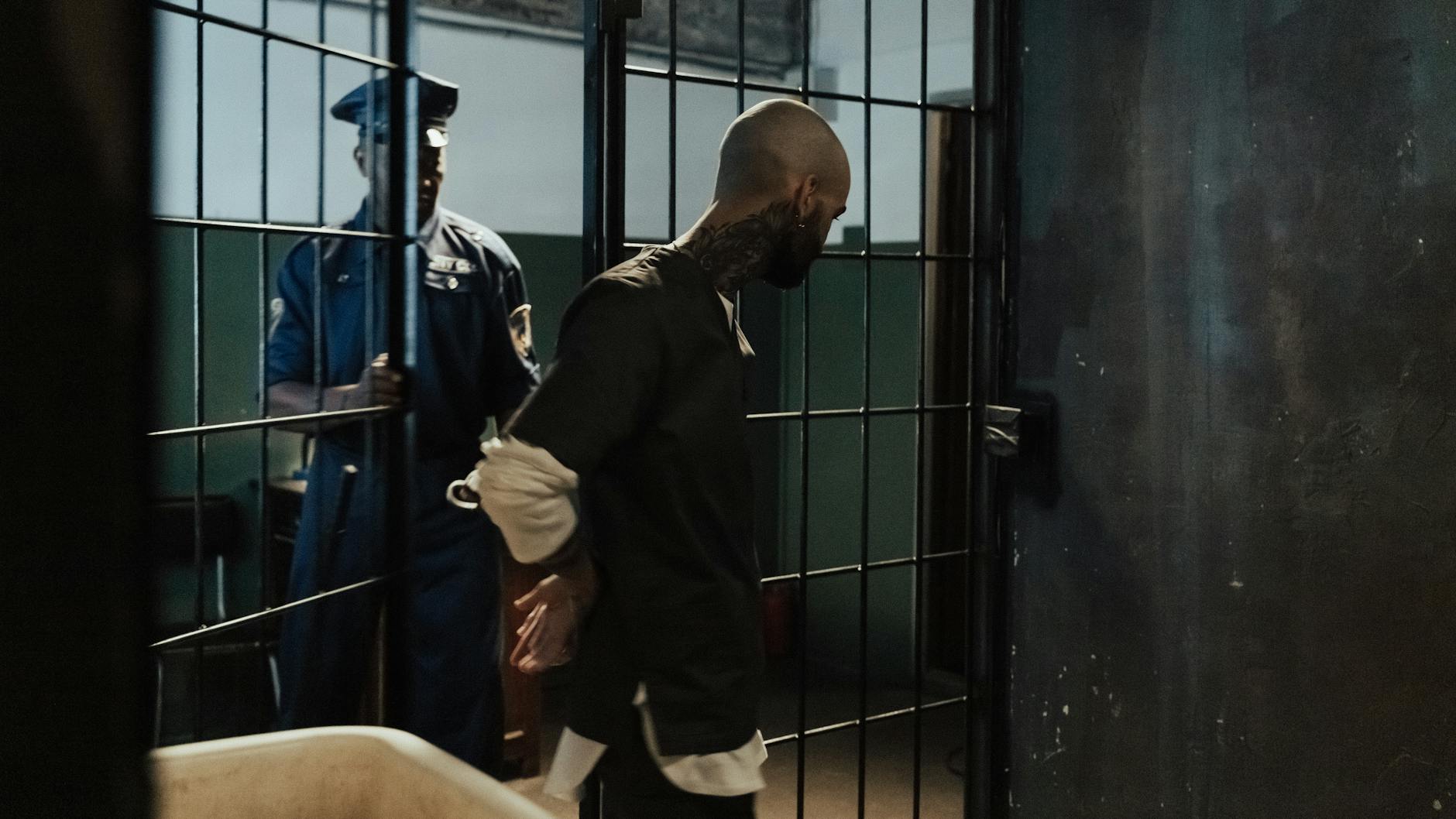
It’s not about ignoring pain. Paul didn’t write Colossians from a palace. He wrote it from a prison. Giving thanks to God the Father through him. While chained. While awaiting execution.
How do you give thanks in a cell? You don’t give thanks for the chains. You give thanks through the chains. You find a thread of grace in the iron. You find that your identity is not in your freedom, but in your Son’s.
This changes everything.
If gratitude is a discipline, it’s a practice. It’s not a passive emotion that happens to us; it’s an active posture we choose. It’s the decision to look at the ordinary and see the extraordinary.
So how do we live this? Not just on Sunday morning when the hymns are playing and the light is perfect, but on Tuesday afternoon when the printer jams and the kid is crying and the email from the boss is vague?
Start small. Too small to fail.
We overcomplicate spiritual disciplines. We think we need to journal for an hour or memorize five verses a day. But gratitude can be as simple as noticing the air in your lungs. Really noticing it. The fact that you didn’t have to work for it. The fact that it’s still there.
I used to read this verse and feel nothing. I thought, "Paul, I know. Thanks. Can we move on?" But then I started paying attention to the "whatever you do."
Whatever you do.
Eating an apple? Give thanks for the crunch, the sweetness, the tree that grew it, the rain that fell on it. Driving to work? Give thanks for the road, the engine that turns over, the safety belt. Listening to a friend complain? Give thanks for the gift of your hearing, the ability to understand, the connection.
It sounds simple. Maybe too simple. But simplicity is often where the deep work happens.
There’s a concept in mindfulness called "noticing." It’s the act of bringing your attention to the present moment without judgment. Christians have had this for two thousand years, but we’ve baptized it in a different way. We call it stewardship of the senses.
When you give thanks, you are declaring that the world is not an accident. You are declaring that love is the foundation of reality. You are pulling back the curtain on the chaos and seeing the hand of God in the details.
This is especially timely now. We are in a season of abundance. The earth is producing. The light is long. But abundance can be dangerous. It can lull us into a sense of self-sufficiency. "I made this happen. I earned this comfort. I deserve this rest."
Gratitude breaks that spell. It reminds us that every good gift is from above. It humbles us. It connects us.
And it heals us.
Mental health isn’t just about managing stress; it’s about managing perspective. When we fixate on what’s missing, we invite anxiety. When we fixate on what’s present, we invite peace. It’s not that the problems disappear. The bills are still there. The diagnosis is still real. The grief is still heavy. But the weight is shared. You are not carrying it alone.
You are carrying it with the One who gave thanks before the storm broke.
Jesus gave thanks in the garden. "Not my will, but yours." He looked at the cup of wrath and gave thanks. He looked at the cross and gave thanks. He trusted the character of the Father even when the circumstances made no sense.
That’s the model. Not a life without pain, but a heart that gives thanks in the midst of it.
So, try this today. Don’t wait for a big break. Don’t wait for the promotion, the healing, the reconciliation.
Pick one thing. Just one.
Maybe it’s the way the light is hitting your kitchen floor right now. Maybe it’s the cool side of the pillow. Maybe it’s the text from your mom.
Stop. Breathe. And say, "Thank you."
Don’t rush it. Let it sit. Let it sink in.
It’s not a magic spell. It won’t fix your life instantly. But it will shift your center of gravity. It will remind you that you are held. That you are loved. That you are not an orphan in the universe.
And in that reminder, there is rest. There is a sabbath for the soul.
The days are long. The warmth is real. The abundance is here.
But the Giver is better.
What are you holding onto right now that you’ve forgotten to thank Him for?