Different meditation approaches have unique benefits, so finding the right style for you is important. If you have never practiced meditation, you may have to try different methods before you find the one that works best for you, your lifestyle, and what you want to accomplish. Studies have found that people who meditate at least once a day for at least 30 days experience significant health improvements. Individuals that practice meditation report improvements in their stress levels, blood pressure, they feel more focused and show improvements in memory and self-esteem.
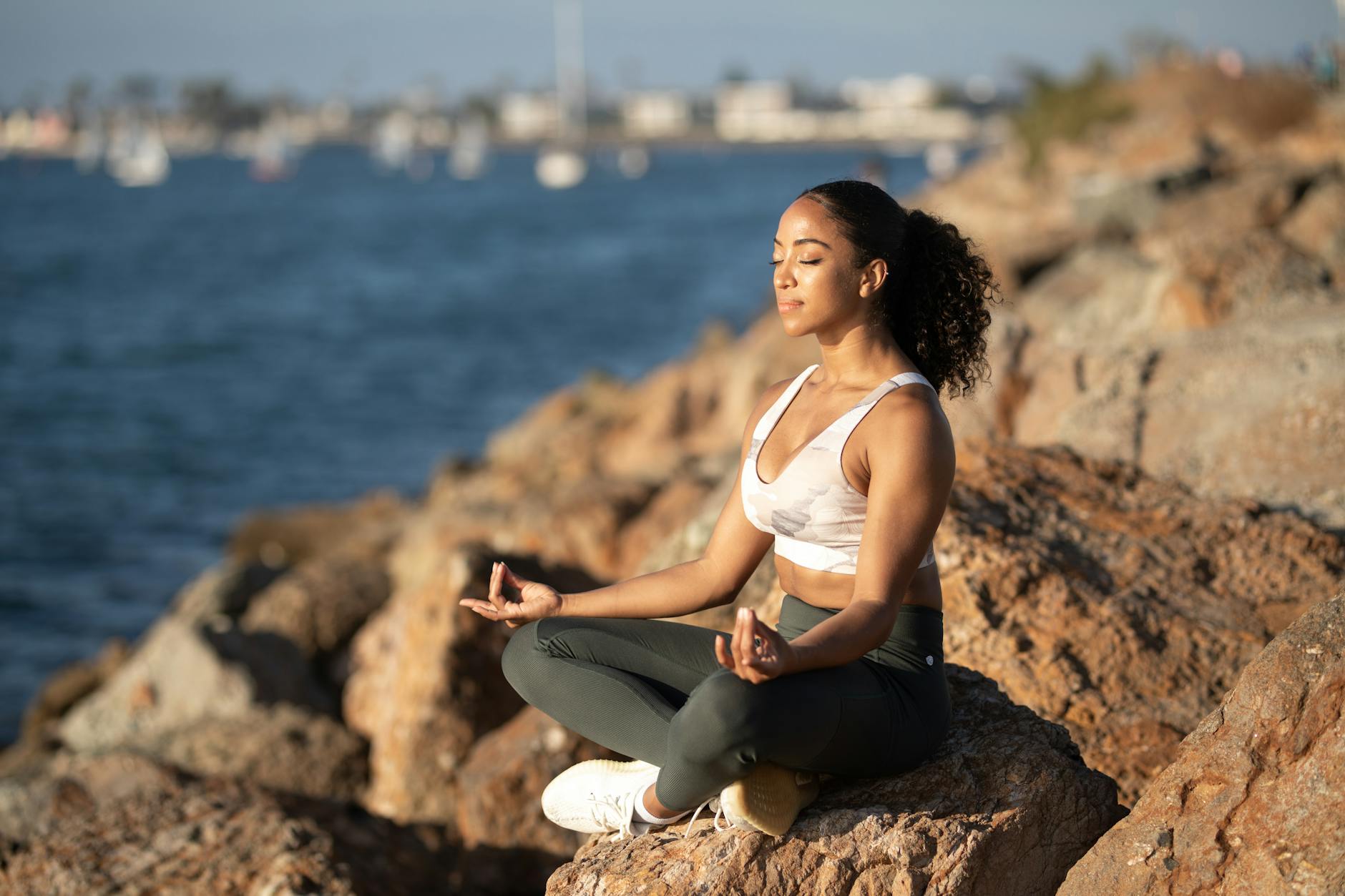
Meditation methods are classified into two basic categories, Focused Attention Meditation and Open Monitoring Meditation. Focused meditation consists of focusing your attention on a single object during the whole meditation session. This can be an external object, a part of your body, it could also be breath, visualization, a mantra among many other things. To achieve a clear mind, you need to keep your attention on the object until distractions and wandering thoughts become less common. For this technique, it is essential to be in a comfortable position in a quiet private place. You can sit or lay down, whatever feels more comfortable for you, with your eyes closed or open if you are focusing on an external object. Most people sit on a pillow or yoga mat, next you should listen to your breathing, inhaling and exhaling, long breaths until your breathing becomes lighter and calmer as you go into a meditative state.
In Open monitoring meditation, instead of focusing on a single object, you focus on all aspects of the experience, it could be sounds, smells, memories, thoughts, or feelings. As you sit in a quiet place, you become aware of these thoughts and feelings that are currently present, and observe where your mind travels. Notice how thoughts or feelings can create changes in your emotional state and physical sensations. The challenge for this meditation practice is to follow your mind without having any reaction and just stay present in each moment. Practicing in this way has been proven to boost your creativity and deepen your creative state.
There are literally hundreds of meditation methods, all based on one of these principles; here we’ll explore just a few of the most popular ones.
Progressive Relaxation
This technique is generally focused on a body scan, it encourages people to scan their physical form. You notice areas of tension and allow that tension to release. Usually, you would start at your feet and work your way up to the top of your head, noticing every single part from toes to head. And, because this also relaxes your muscles, many people use this technique to sleep.
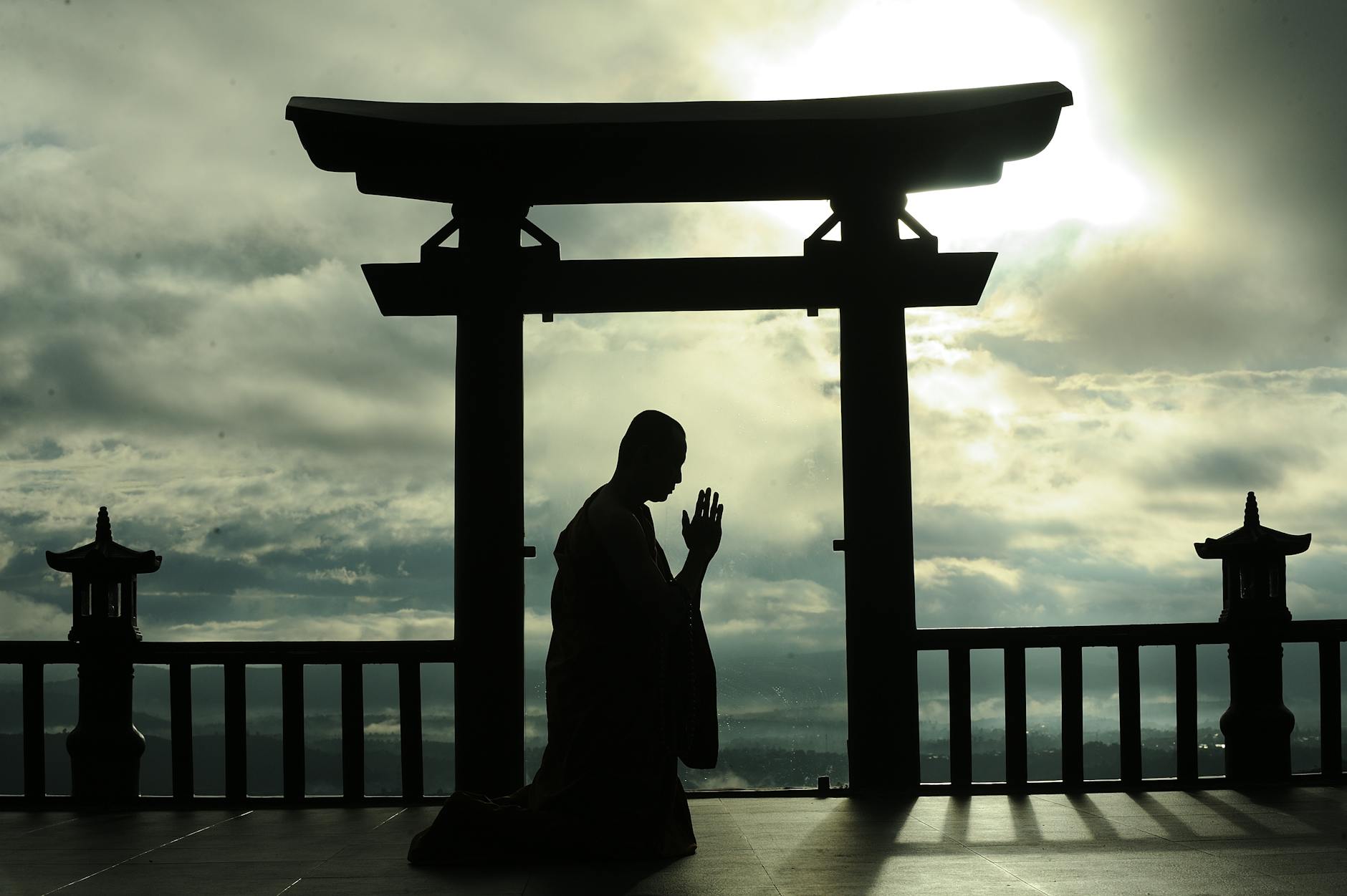
Zen (Zazen) Meditation
This technique has its roots in a Chinese tradition, Zazen means “seated Zen” or “seated meditation”. It is practiced seated on the floor on a mat or pillow, crossed legged like the traditional lotus position or it can also be done sitting on a chair with your back straight, eyes are open but lowered, looking at the ground about 2 feet in-front of you. Your focus is on your breath, in and out through your nose. To remain in the present moment, awareness of what is on your mind is crucial, without hanging on to any of it. This is a form of mindfulness practice.
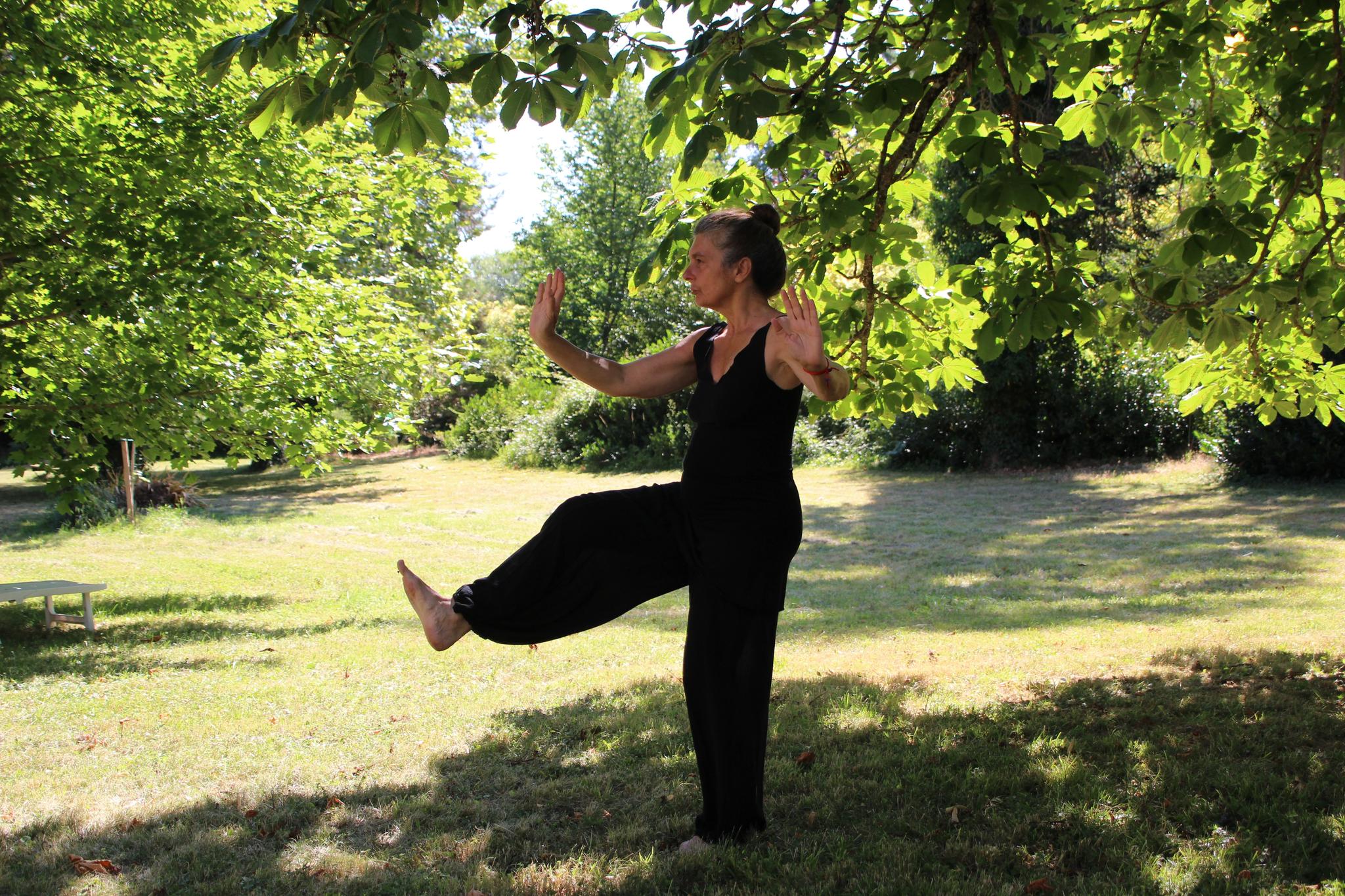
Qigong (Chi kung)
Qigong is a Chinese word that means “energy cultivation”. It is a combination of body-mind, meditation, and martial arts. This practice involves slow movements, inner focus, and regulated breathing. It can be practiced sitting or standing and is basically a series of dynamic movements; you can find videos everywhere on the internet if you are interested in this form of practice. Having said that, the set of exercises for meditation are usually done while sitting and without movement. There are different styles of Qigong, some are a bit more active than others, it all depends on what best suits you.
Loving-kindness Meditation
This is also known as Metta meditation. You cultivate an attitude of compassion and understanding toward everything and everyone. Yes, that includes enemies and all sources of stress. While breathing, you open your mind to receive affection and goodwill. Then, you send messages of care and consideration to everyone, it can be specific people or the world in general. Repeating the message many times helps you feel a sense of warmth and compassion towards the recipient(s). This practice is designed to help manage feelings of anger, frustration, resentment, and promote feelings of empathy and affection for others and for ourselves.
There are other forms of mindfulness practice that are focused on a deeper transformation and spiritual development; however, if you are a beginner, a simpler form of mindfulness may just be the initial step for you.
You can try some of these practices, but try to find more information on the particular one you are interested in and practice it for a while, see if it’s the right one for you. You may need to try a variety of approaches before you find the one that suits you.