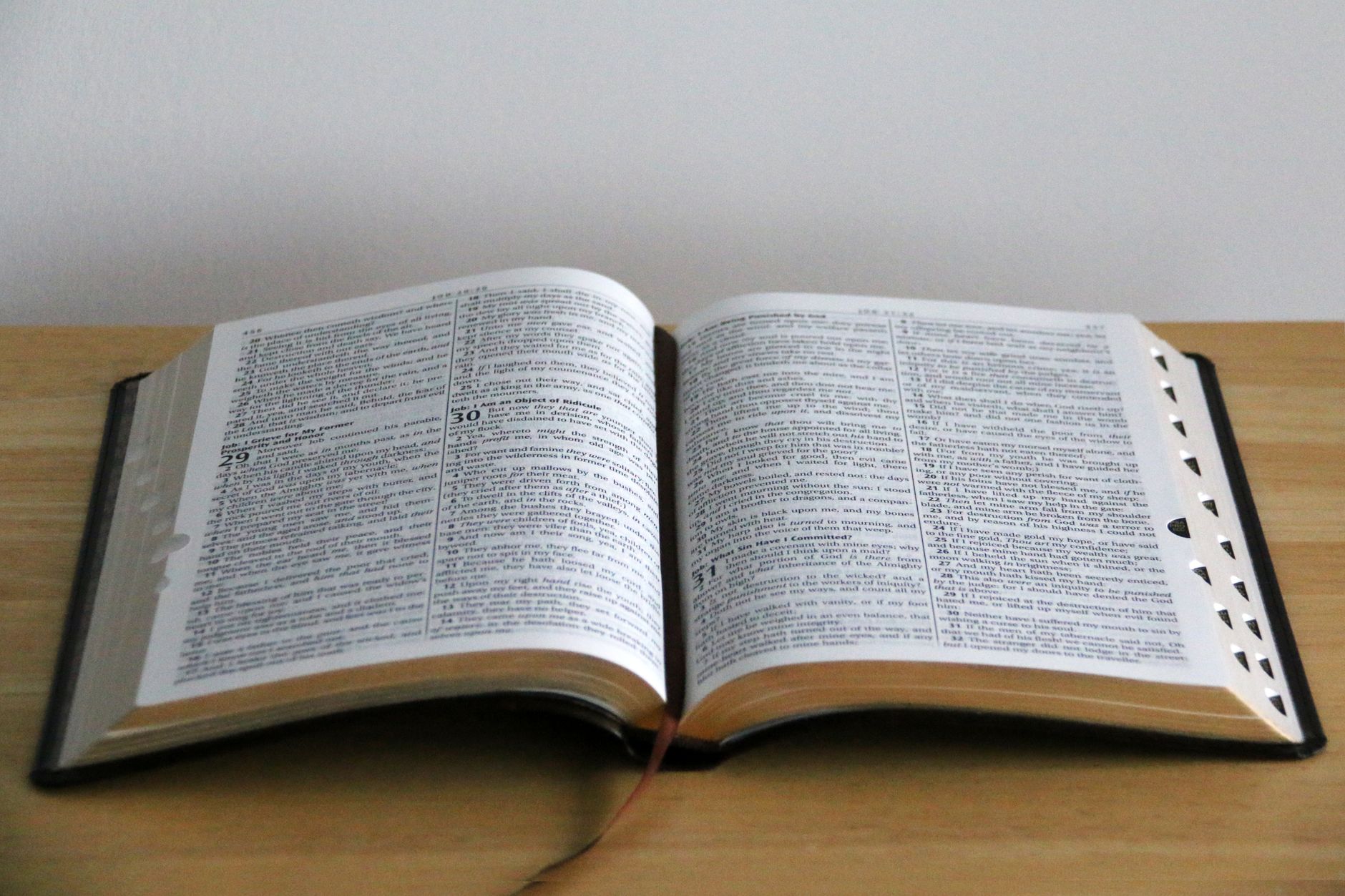
The God Who Repairs Your Software: How to Actually Renew Your Mind with Scripture
— "Therefore, if anyone is in Christ, the new creation has come: The old has gone, the new is here!"
Let that sit for a second. Don’t rush past it. Because I think we often misread this verse as a magic trick. A snap of the fingers. Poof. You were broken, now you’re fixed. And if it’s not happening instantly, you must be doing the faith thing wrong.
But here is the reality check I needed when my head felt like a browser with forty-seven tabs open and three of them were frozen. It isn’t magic. It’s remodeling. And nobody likes living in a house while the drywall is coming down.
I’ll be honest, I’ve struggled with this too. There was a stretch in my life where reading the Bible felt less like communion and more like trying to understand a foreign language on a bad audio track. I’d read the words, but my mind was already drafting an email or worrying about a bill. The Scripture didn’t change me; it just irritated me for its irrelevance.
If that sounds familiar, you’re not alone. We are living in an age of fragmented attention. Our brains have been trained to skim, scroll, and react. But the call to "renewing" is a counter-cultural act of deep focus in a shallow world.
The Blueprint: What the Text Actually Says
We need to start with the source code. In Romans 12, Paul writes:
— "Do not conform to the pattern of this world, but be transformed by the renewing of your mind. Then you will be able to test and approve what God’s will is—his good, pleasing and perfect will."
Notice the order. It doesn’t say, "Be renewed by your feelings," or "Be changed by your circumstances." It says mind. Specifically, the Greek word used here is metamorphoō, which literally means a change of form. It’s the word used for Jesus’ transfiguration on the mountain, where his face shone like the sun.
This is heavy. Paul is saying that your way of thinking, processing data, and interpreting reality needs a structural overhaul. Not just a surface coat of paint.
Think about how you interact with your phone right now. You have habits built into the software of your thumb and eye. You know where the "like" button is before you look. That’s conformity. It’s efficient, but it’s also automatic.
Renewing the mind is about installing new default settings. It’s asking, "When I see a problem, what is my first instinct? Defense? Attack? Prayer?" When the pattern shifts from me vs. world to God with me in this, that is transformation. It’s not about feeling holy. It’s about thinking clearly through the lens of who God actually is, rather than who we want him to be.
The History: Why We Forget Who We Are
Here’s where it gets a bit uncomfortable. For centuries, Christian history has treated the "renewed mind" as an intellectual exercise. We studied theology like it was a history class. We memorized doctrines to sound impressive in the pulpit or at the dinner table.
But there’s a trap here. We can know about God without being shaped by him.
Consider the Pharisees in the Gospels. They were experts in the text of their day. They knew the law inside and out. And yet, they missed the whole point because their minds were hardened by tradition (). They had the data, but they lacked the heart.
This is a warning for us today. If your "renewal" just makes you more knowledgeable but not more kind, you’re on the wrong track. The autumn air is crisp right now; there’s a natural pause in the year as leaves fall and the light shortens. It’s a season that invites us to look inward, to prune.
Pruning isn’t about removing what’s bad; it’s about redirecting energy toward what will bear fruit. When we renew our minds, we aren’t trying to become better versions of ourselves in a vacuum. We’re letting the Holy Spirit prune away the branches that have become dead weight—our pride, our anxious grasping for control, our habit of comparing our lives to the highlight reels of others on social media.
I remember a season where I was so busy "studying" that I wasn’t listening. My mind was full of information, but my spirit was dry. It was only when I stopped trying to perform faith and started just sitting in the presence of God, letting His truth wash over me without an agenda, that the shift began. It was quiet. Unsexy. But real.
The Practice: How to Do This in a Noisy World
So, how do we actually do this? We don’t have the luxury of a monastic cell. We have group chats, notifications, and a to-do list that never ends.
Renewing the mind is less about the quantity of time you spend in a chair and more about the quality of your attention.
Start small. Don’t try to read five chapters a day if you’re already exhausted. Start with one verse. One single line of Scripture. Read it slowly. Then, ask a simple question: "What is this truth fighting against in my life right now?"
Maybe you read about not being anxious. And you realize that your anxiety isn’t really about the future; it’s rooted in a lack of trust in God’s provision today. That’s a mind shift. You’re not just memorizing a verse; you’re diagnosing a root cause.
This is where the practice becomes personal. It’s intimate. It’s you and God, looking at your own wiring together.
Try this for a week: Pick one theme per day.
- Monday: Identity (Who am I in Christ?)
- Tuesday: Fear (What am I afraid of, and what does God say about it?)
- Wednesday: Gratitude (What did I miss that was a gift?)
Don’t overthink it. If your mind wanders, let it wander. Then gently bring it back. That’s the exercise. It’s like lifting weights for your attention span. You’ll feel resistance. That resistance is the renewal happening.
And here’s a weird but useful analogy: Think of it like cleaning out your digital storage space. You don’t delete everything at once; you go through folders one by one. You find the old screenshots, the junk files, the duplicate apps. You delete them not because you hate your past, but to make room for what’s current and useful.
Scripture does the same thing in your mind. It clears out the junk data of cultural noise and replaces it with the clean, steady signal of God’s character.
A Wider View: The Body in Motion
It’s easy to think of this as a solo project. My mind, my renewal, my quiet time. And that’s okay. It starts there.
But if we zoom out, the picture changes. The church isn’t a collection of individuals who happen to pray in the same building; it’s a body. And when one member’s mind is renewed, it affects the whole system.
When you walk into a room with a renewed mind—steady, compassionate, rooted in truth—you change the atmosphere. You stop feeding the cycles of gossip and panic. You start reflecting a peace that doesn’t make sense to those around you, but which points them toward the source.
This is how God has always worked through His people. Not just in grand miracles, but in the quiet, daily shifting of perspective. From Abraham to Jesus, from the early church in Acts to our living rooms today, the pattern is consistent: God speaks, and when we listen with open minds, the world around us begins to look different.
We are in a season of change, with the year turning and the light fading earlier each day. It’s easy to feel like we’re losing control, like the ground is shifting under our feet. But that’s precisely when a renewed mind shines brightest. It reminds us that even if the seasons change, God doesn’t.
So, this week, don’t aim for perfection. Aim for presence. Open the book. Read slowly. Let it do its work. And trust that the God who created your mind is capable of repairing it, one verse at a time.