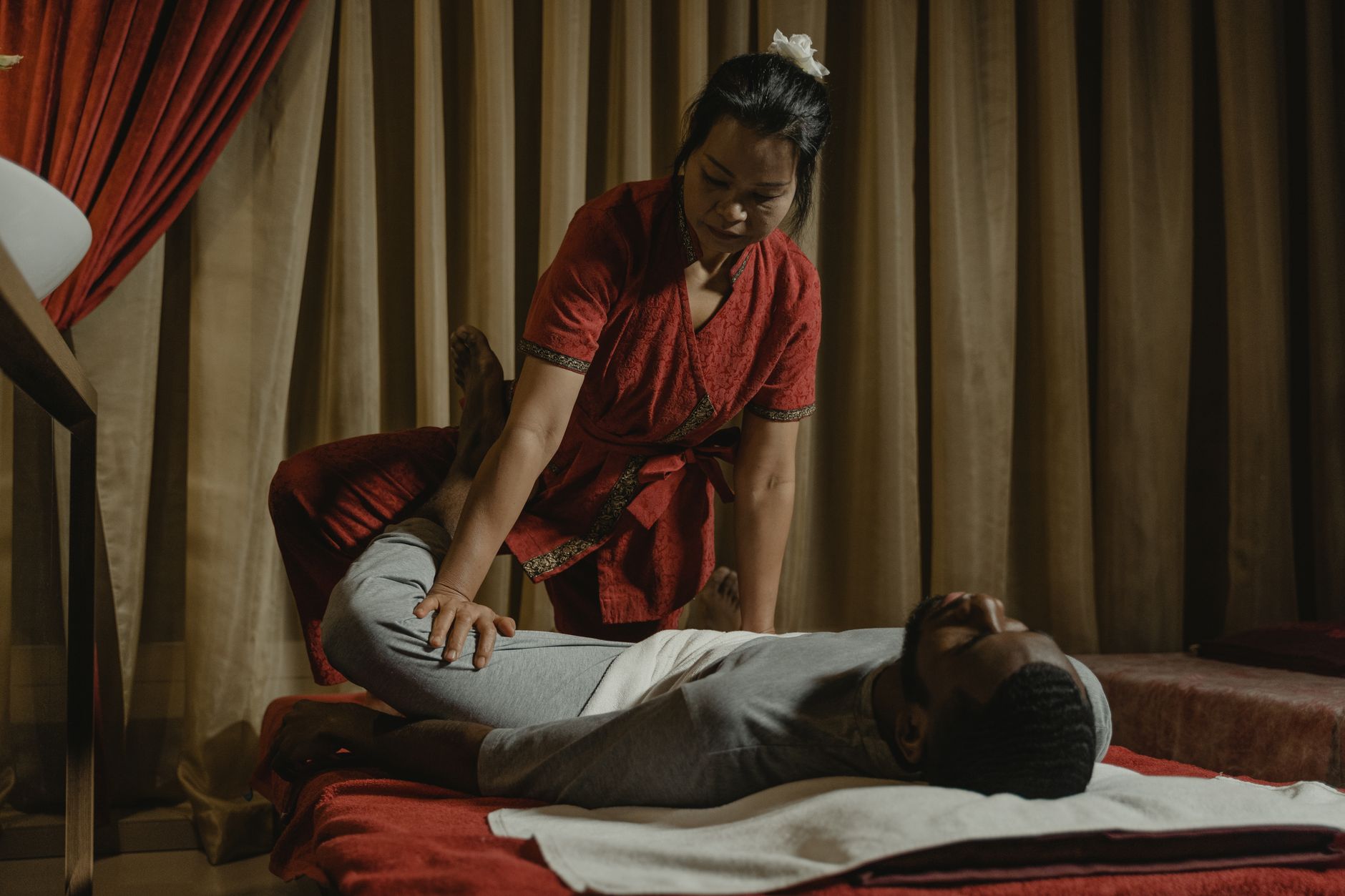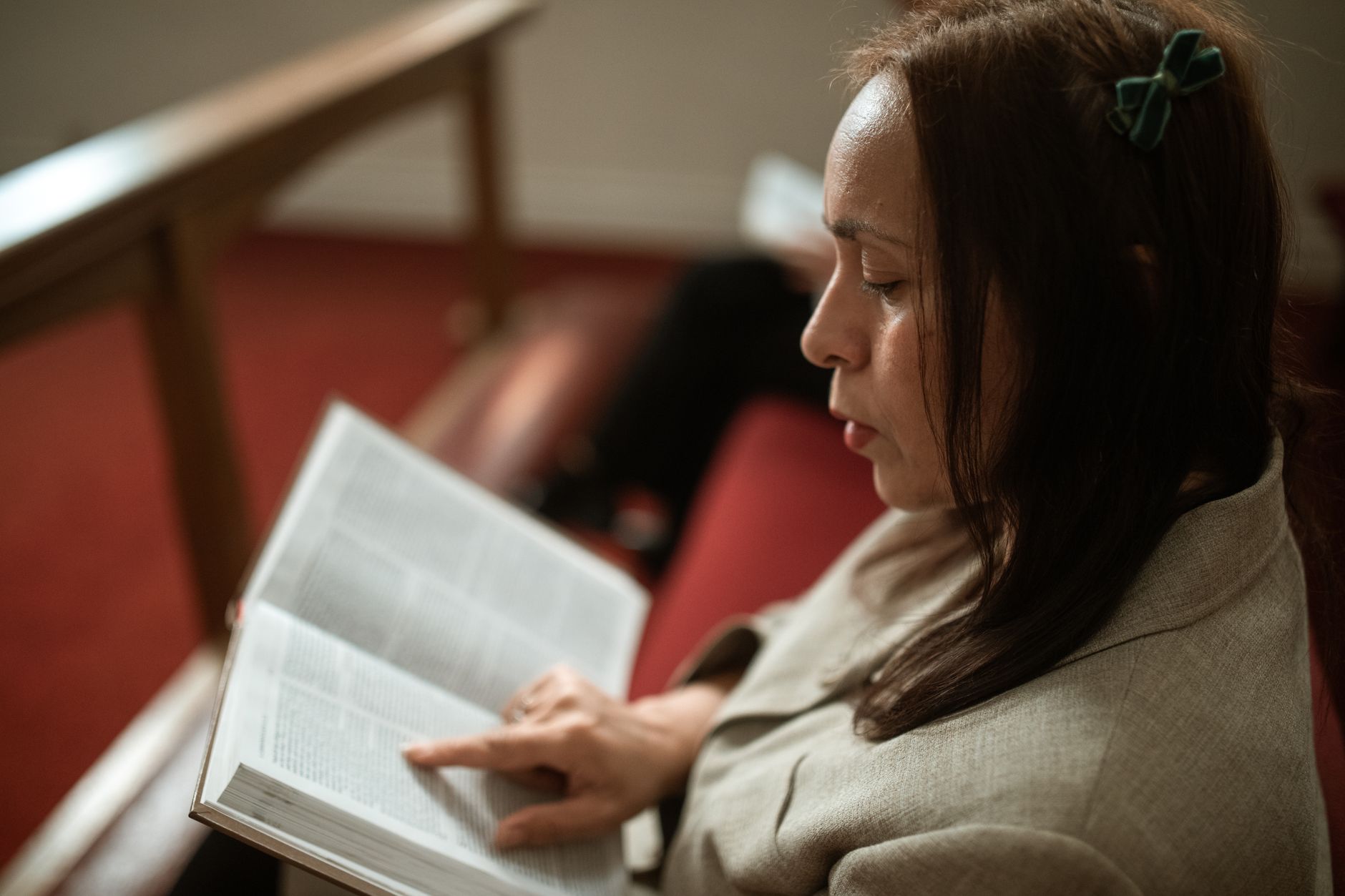
The dust was still settling in the courtyard. It wasn’t a dramatic, earthquake-shaking kind of silence. It was the hush of a house after everyone has left for work, or the quiet of a hospital waiting room when the beeping monitor finally settles into a steady rhythm. In that first-century home in Bethany, Martha was pacing. Again. Her apron was tied tight, her hands were busy with a ladle and a cloth, but her mind? Her mind was racing ahead to the next task, then the one after that.
And Mary? Mary was just sitting there. On the floor. Dust on her knees. Looking up at Jesus with eyes that seemed to hold more peace than the rest of the house combined.
We live in a culture that mistakes motion for progress. If you aren’t moving, building, fixing, or optimizing, you’re falling behind. But the biblical story of these two sisters—and the broader narrative of Scripture—tells us something radically different. Waiting isn’t just an empty pause between miracles. It’s the place where the miracle takes root.
The Noise of Doing vs. The Power of Being
Let’s look at Martha for a second. I know she gets a bad rap. We call people "Marthas" when they’re stressed, overwhelmed, or doing too much. But let’s be honest: Martha wasn’t wrong. She was hosting a king, after all. The table required setting. The meat required cooking. The wine required pouring. Her anxiety wasn’t a character flaw; it was the pressure of excellence.
"Now Martha was distracted with much serving, and she approached Him and said, 'Lord, do You not care that my sister has left me to serve alone? Therefore tell her to help me.'" (, NKJV)
Notice what she assumes. She assumes that if Jesus cared, He would fix the situation. If He truly loved them, He would tell Mary to get up and help. To Martha, love looks like competence. Love looks like getting the job done right.
But Jesus’ response wasn’t a scolding. It was an invitation.
"But the Lord answered and said to her, 'Martha, Martha, you are worried and troubled about many things. But one thing is needed. And Mary has chosen that good part, which will not be taken away from her.'" (, NKJV)
"One thing." Not ten. Not twenty. Just one.
What was that one thing? It wasn’t just sitting still. It was presence. It was the posture of receiving rather than producing. Mary had chosen the "good part" (or "best portion," as some translations say)—the same inheritance a firstborn son received. She wasn’t wasting time; she was investing it in the only thing that mattered: His word, His presence, His company.
I’ll be honest, I’ve struggled with this too. For years, I read the story of Martha and Mary and felt a pang of shame every time I sat down to read my Bible. Shouldn’t I be doing something? Shouldn’t I be writing, or praying out loud, or checking my to-do list? I treated spirituality like a checklist. If I didn’t "do" prayer, did it count?
It turns out, Martha wasn’t doing anything wrong. She was just missing the point. And sometimes, so are we.
The Historical Weight of Waiting
To really get this, we have to step back out of Bethany and look at the broader history of Israel. The Hebrew word for waiting is qavah. It doesn’t mean sitting on your hands while time passes. It means to bind together, to wait with expectation, like a cord being woven tightly around something else.
Imagine a potter’s wheel. The clay doesn’t move itself, but it isn’t dead either. It is being shaped by the hands of the potter. That’s qavah.
For 400 years, Israel lived in silence. No prophets. No burning words from God. Just the slow grind of history, the rise and fall of empires, the cold wind off the Mediterranean. It would have been easy for the people to think God had forgotten them. Or worse, that He was indifferent.
But in that long wait, a promise was being woven. A line of descendants. A specific lineage. A humble village in a forgotten corner of Judea.
"But wait for the Lord; be strong, and let Him strengthen your heart; wait, I say, for the Lord!" (, NKJV)
Notice the command. Wait. It’s an active verb. You don’t wait passively. You prepare. You steady yourself. You align your heart with the timing of God, not your own schedule.
This is where many of us get stuck. We think waiting means stagnation. We think if we aren’t moving forward, we’re moving backward. But God’s timeline is often counterintuitive. The harvest doesn’t come because the farmer shouts at the crops to grow. It comes because he tends them, waters them, and trusts the sun.
The Modern Trap of Instant Gratitude
Here’s the thing about our current season—it feels like late summer. The days are getting shorter, just a bit. The heat is breaking. It’s that time of year when you look at your garden, or your life, and think, Is this it? Is this all there is?
We’ve become addicted to instant feedback. We order food and get it in 20 minutes. We send an email and expect a reply by lunch. If God doesn’t answer our prayer within the hour, we start to worry He hasn’t heard us.
But look at Jesus. Before His public ministry, before the miracles and the crowds, there was the silence of Nazareth. Thirty years. Most of them spent in obscurity. Working with wood. Living quietly. Growing older, not just in age, but in character.
If Jesus had rushed into ministry at twenty, would it have been different? Maybe. But the world needed to see a man who knew how to wait. A man who didn’t need applause to know his worth.
"For when we were still without strength, in due time Christ died for the ungodly." (, NKJV)
"In due time." Not early. Not late. Due.
There’s deep comfort in knowing that God is never early, and often exactly on time. When we rush our waiting, we rob ourselves of the preparation phase. We skip the roots and go straight for the fruit. And sometimes, that fruit is hollow.
How to Wait Without Losing Your Mind
So, what does this look like in practice? It’s not about stopping everything and going to a monastery. (Though, honestly, that sounds nice sometimes.) It’s about shifting your posture.
Stop trying to fix everything. When the pressure mounts, like it did for Martha, pause. Don’t immediately reach for the solution. Reach for Jesus. Sit with Him in the mess.
Distinguish between busy and productive. Ask yourself: Is this task moving you toward God, or just keeping you from Him? Sometimes, the most spiritual thing you can do is sit on the floor and listen.
Expectation is key. Waiting isn’t passive hope; it’s active trust. You’re not just hoping something happens; you’re preparing your heart to receive what’s already coming.
"But those who wait on the Lord shall renew their strength; they shall mount up with wings like eagles, they shall run and not be weary, they shall walk and not faint." (, NKJV)
Did you catch that? They mount up. Waiting doesn’t keep you down. It lifts you up. It gives you wings.
I remember a season in my own life when I thought God had stopped speaking. I was doing all the right things—reading, praying, serving—but it felt like shouting into a void. I was frustrated. I was hardening my heart, thinking God owed me an answer.
Then, one quiet Tuesday morning, I stopped trying so hard to do something for God. I just sat by the window. I watched the light change across the floorboards. And suddenly, I felt it. Not a voice from heaven, but a deep, steady sense of peace. Like a hand resting gently on my shoulder. God wasn’t ignoring me. He was teaching me to listen.
The Gift of the Pause
Back in Bethany, the meal was eventually served. But something had shifted. The table wasn’t just a place to eat; it was a place of connection. Mary hadn’t been lazy; she had been focused. And in doing "one thing," she had done the most important thing.
We need to give ourselves permission to do less. To sit longer. To wait without panic.
The harvest is coming. The days are shortening, yes, but the light is becoming sharper, clearer. It’s time to stop rushing toward the end and start savoring the journey.
So, the next time you feel that familiar tightening in your chest—the Martha moment—don’t rush to fix it. Don’t rush to help your sister. Don’t rush to prove your worth through your work.
Sit. Breathe. Look up.
The One who holds the stars is also holding you. And He’s in no hurry at all.