Heaven's Present Reality

The promise of a new heaven and new earth is not just a future hope, but a present reality that shapes how we live, interact, and care for the world around us.
Scripture's Vision
Let's start with what we know from Scripture. The Bible paints a vivid picture of a future where heaven and earth are renewed, and God dwells among his people. In , we read: "Then I saw a new heaven and a new earth, for the first heaven and the first earth had passed away, and there was no longer any sea. I saw the Holy City, the new Jerusalem, coming down out of heaven from God, prepared as a bride beautifully dressed for her husband. And I heard a loud voice from the throne saying, 'Look! God’s dwelling place is now among the people, and he will dwell with them. They will be his people, and God himself will be with them and be their God. He will wipe every tear from their eyes. There will be no more death or mourning or crying or pain, for the old order of things has passed away.'" This vision is not just about the future; it influences how we understand our role in the world today.
But what does this really mean for us? It's easy to get caught up in the grandeur of such a vision and forget that it has real implications for our daily lives. I'll be honest, I've struggled with this too - how do we live with the knowledge that God's ultimate plan is to redeem all of creation?
Historical Context
Looking back at history, we can see how the idea of a redeemed creation has inspired generations of Christians. From the early church fathers to modern-day social justice movements, this eschatological hope has driven people to work towards a better world. It's not just waiting for the day when God will make all things new; it's about bringing a taste of that future to the present, in whatever small ways we can. The early Christians, for example, were known for their radical hospitality and care for the poor - practices that were directly inspired by their belief in a future where God would dwell among his people.
And yet, we've also seen how this concept can be misunderstood or misused. Throughout history, there have been those who have used the notion of a future redemption to justify neglect of the present world. But that's not what Scripture teaches. In , God commands humanity to "be fruitful and increase in number; fill the earth and subdue it. Rule over the fish in the sea and the birds in the sky and over every living creature that moves on the ground." This is not a command to dominate or destroy the earth, but to steward it - to care for it in a way that reflects God's own character.
Living It Out Today
So, what does it mean to live with the expectation of redemption? It means recognizing that our actions have consequences - for our own lives, for the world around us, and for the people we interact with. It means caring for the earth, because it's a reflection of God's character. And it means working towards justice and equality, because in the world to come, there will be no more suffering or oppression.
But this isn't just about big, grand actions. It's about the small, everyday choices we make. Do we choose to buy from companies that prioritize sustainability, or do we go for the cheapest option, regardless of the cost to the environment? Do we stand up for those who are marginalized, or do we stay silent?
In , Jesus teaches us that our actions towards the "least of these" - the hungry, the thirsty, the stranger - are actually actions towards him. This isn't just about earning brownie points with God; it's about recognizing that our lives are intertwined, and that what we do to others, we do to Jesus himself.
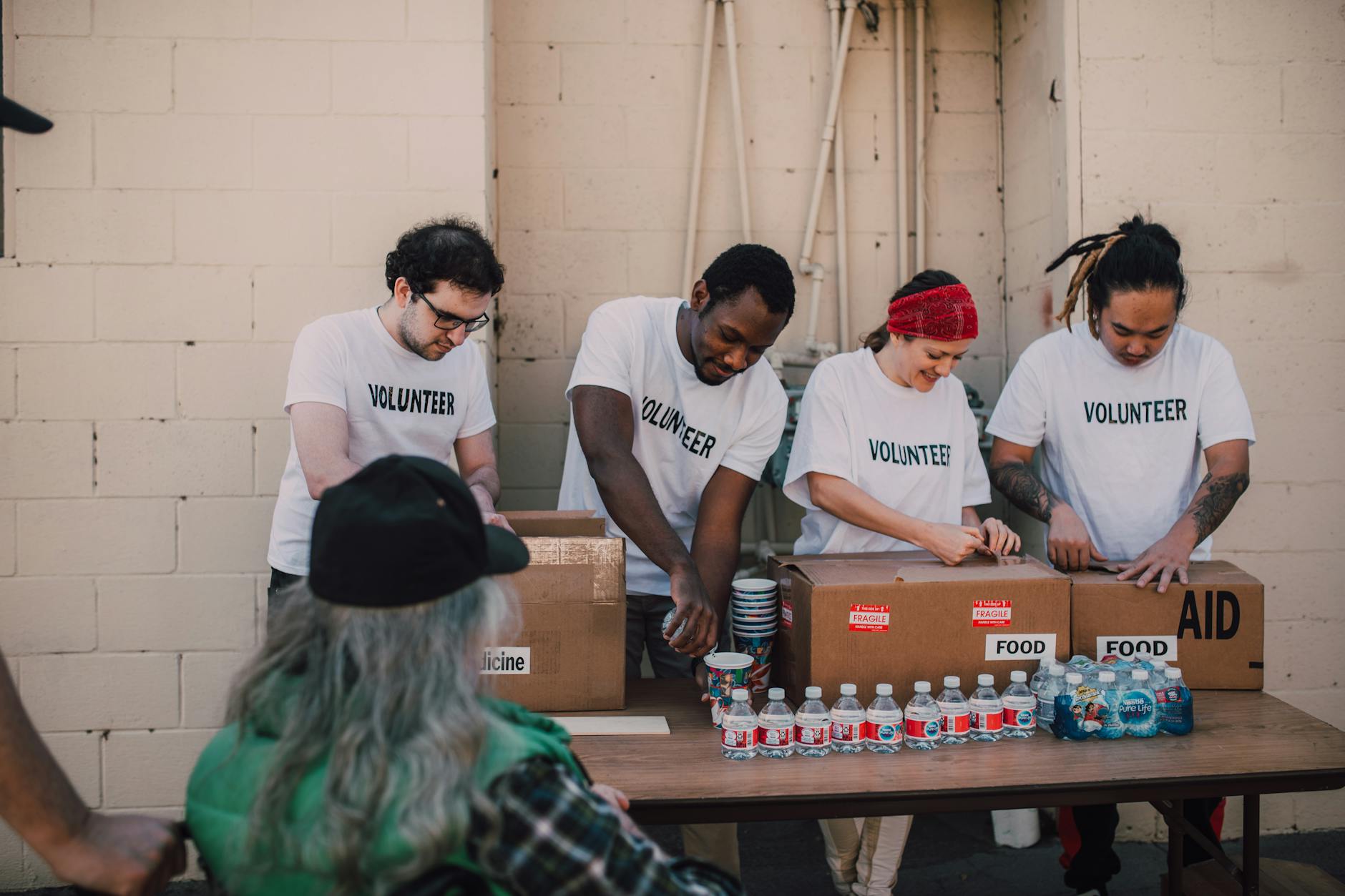
One thing you could do this week is to take a closer look at your daily habits - what you buy, what you eat, how you treat those around you. Ask yourself: are these habits reflective of a love for God and for his world? And then, make one small change. Maybe it's buying a reusable water bottle, or volunteering at a local soup kitchen. Maybe it's just being more mindful of how you speak to those around you. Whatever it is, remember that it's part of living in a way that honors God's plan to restore all of creation.