Finding Rest in Psalm 121: The Watchman Who Never Blinks
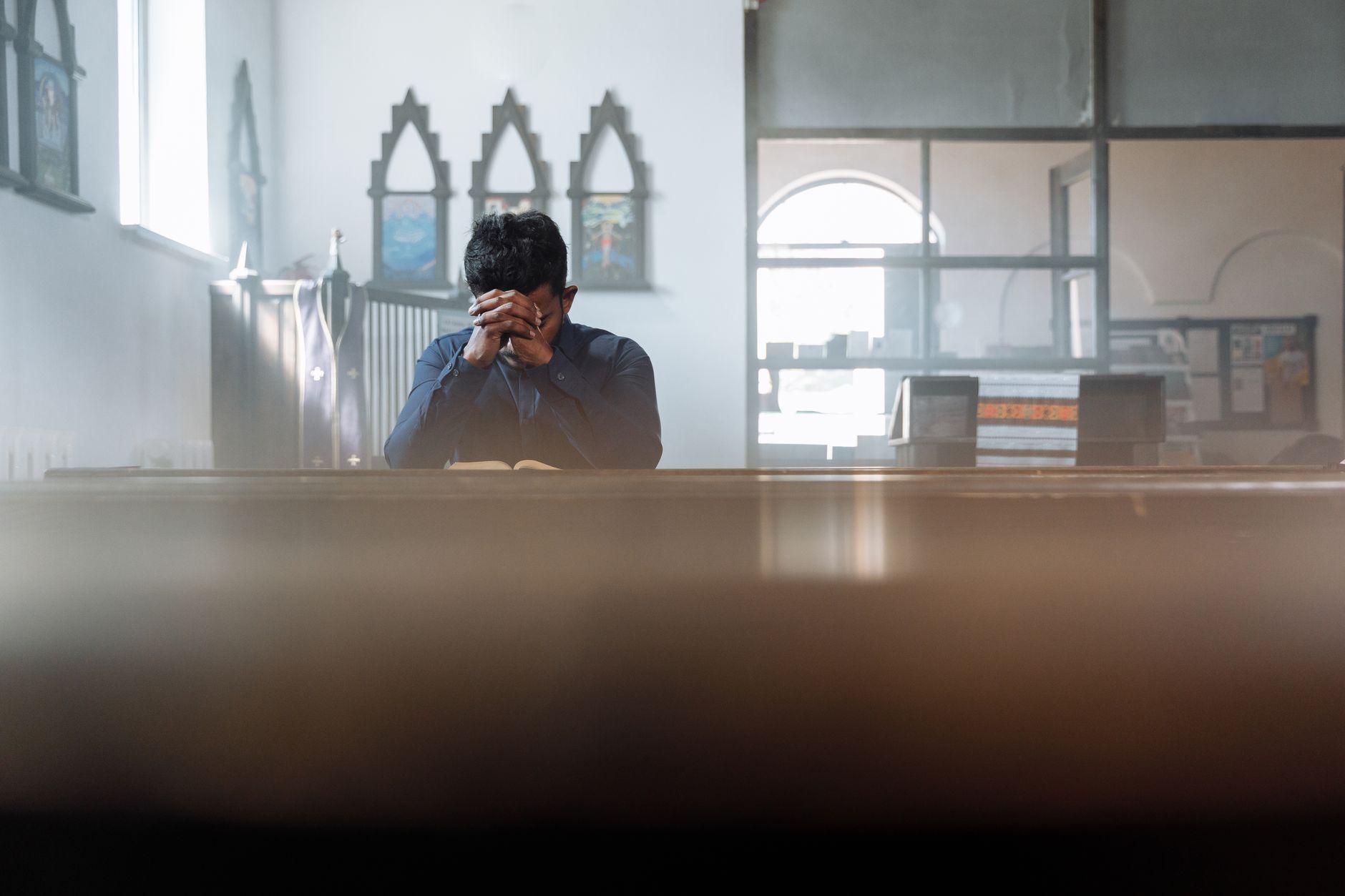
It’s that time of year when the light lingers just a bit too long. The sun hangs low over the fence line at 9:30 PM, painting the porch in that thick, golden syrup of early summer. You’re sitting outside, maybe with a glass of iced tea that’s already sweating condensation onto the wood. The air is warm, heavy with the scent of cut grass and blooming jasmine. It’s peaceful. It’s abundant.
And yet.
Your mind is still racing.
It’s not the heat. It’s not the noise. It’s the quiet hum of obligations that haven’t been checked off. The email you promised to answer. The worry about your mother’s blood pressure. The vague, gnawing anxiety that says, If you stop moving for even ten minutes, everything will fall apart.
We live in a culture that equates vigilance with virtue. We are told to be awake. To be alert. To keep our eyes peeled for danger, for opportunity, for the next thing that needs fixing. We treat our own nervous systems like security cameras, recording every threat, every slight, every potential failure.
But there is an ancient poem, tucked into the back of the Old Testament, that suggests a different way to inhabit your body and your mind. It’s Psalm 121.
I lift up my eyes to the mountains. Where does my help come from? My help comes from the Lord, the Maker of heaven and earth. (, NIV)
Look at that opening. It’s a question. A desperate, human question. The psalmist is standing in the valley, or on the road, or just waking up in the dark, and he asks where the help is coming from. And then he answers it himself. Not with a theological treatise. Not with a list of rules. But with a declaration of origin. The Maker of heaven and earth.
This isn’t just about God being powerful. It’s about God being the source. The architect. The one who designed the rhythm of day and night, of sleep and wakefulness, of breath and heartbeat.
For years, I used to read this verse and feel nothing. I treated it like a bumper sticker for my faith—something to slap on the dashboard of my life so I could drive faster. But lately, sitting in this summer heat, I’ve started to notice the word watch.
See, he who watches over Israel will neither slumber nor sleep. ()
In the Hebrew, the word for "watch" or "keeper" is shamar. It means to guard, to keep, to observe, to protect. It’s the same root word used when God placed cherubim at the entrance of Eden to guard the way to the tree of life. It’s used when Abraham is told to watch his flock. It’s an active, diligent, tireless vigilance.
We tend to think of God’s watching as passive. Like He’s sitting on a cloud, mildly interested in our progress, like a parent watching a toddler take their first wobbly steps from the kitchen. But the biblical concept of divine watching is intense. It is the kind of attention that never dips. It is the focus of a predator protecting its young, or a general holding the line against overwhelming odds.
And here is the strange, counter-intuitive truth that might feel impossible to believe at 3 AM: God’s watching over you is what allows you to sleep.
Not because He is doing the work for you in a way that makes you lazy. But because His vigilance is so complete, so all-encompassing, that you don’t have to be the one holding up the sky.
Think about it. When you are driving on a long, dark highway, your eyes are scanning the road. You are watching the car in front of you, the lines on the pavement, the mirrors. You are shamar-ing. You are guarding your safety. If you took your eyes off the road, if you let your guard down even for a second, you would feel a spike of adrenaline. You would feel the weight of responsibility.
Now imagine if the driver next to you was the Creator of the universe. Imagine if His eyes were fixed on your lane, on your brakes, on the weather, on the other cars, with a precision that never wavers. Would you still need to grip the steering wheel with white-knuckled intensity?
No. You could relax. You could lean back. You could even close your eyes for a moment.
This is the invitation of Psalm 121. It is not a call to passivity. It is a call to trust the quality of the Watcher so really that you can afford to rest in your own weakness.
The Myth of the Self-Made Survivor
We’ve built our mental health strategies around the idea that we are the primary agents of our own safety. We track our sleep. We count our steps. We monitor our heart rate variability. We optimize our diets. All good things. But somewhere along the line, we merged these tools with a subtle theology of self-reliance. We started to believe that if we just managed our stress well enough, if we just practiced enough mindfulness, if we just got enough REM cycles, we would be safe.
We became our own gods.
And it’s exhausting. Because no matter how much you optimize, there is always one variable you cannot control: the unknown. The sudden illness. The layoff. The unexpected bill. The betrayal.
Psalm 121 cuts through this noise by reminding us that the one who watches over you is not just a manager of your immediate circumstances. He is the Maker of heaven and earth. The one who spoke galaxies into existence is the one who is currently guarding your steps.
This changes the texture of anxiety.
Anxiety often feels like a lack of control. But it is actually a misdirected trust. We are trying to control what only God can hold. We are trying to be the Watchman for our own lives, and we are failing, because we are finite. We get tired. We get distracted. We fall asleep.
But God?
Neither slumbers nor sleeps. ()
This is a bold claim. In the ancient Near East, gods were often depicted as sleeping or needing to be woken up. Baal slept. Dagon fell. But the God of Israel? He is awake. Always.
This isn’t just a poetic flourish. It’s a therapeutic truth for the anxious mind. When you are lying in bed, staring at the ceiling, your brain is running simulations of disaster. It’s playing out the worst-case scenarios on loop. It’s trying to solve problems that haven’t happened yet. It’s trying to be the Watchman.
But if you can shift your focus—even for a moment—from your vigilance to His vigilance, the pressure valve releases. You are not alone in the dark. You are not the only one keeping score. You are not the only one holding the line.
Practical Rest in a Restless World
So, how do we actually live this? How do we move from reading these words on a screen to feeling the weight of them in our bones?
It starts with small, intentional acts of surrender.
1. Name the Watchman.
When the anxiety spikes, don’t just say, "I’m stressed." Say, "God is watching."
It sounds simple. Maybe even too simple. But try it. When you feel that tightness in your chest, pause. Breathe. And acknowledge that the One who formed your inward parts is currently guarding your going out and your coming in. ().
Notice the specificity. He guards your going out and your coming in. This means He is involved in your commute, your meetings, your grocery trips, your quiet moments. He is not just watching the big events. He is watching the mundane. He is watching you make your coffee. He is watching you tie your shoes.
2. Stop Trying to "Fix" Everything.
We often think that trusting God means stopping our efforts. It doesn’t. It means stopping our idolatry of effort.
You still go to the doctor. You still pay your bills. You still apologize to your spouse. But you do it with a different posture. You do it knowing that your efforts are secondary to His sustaining power. You are not the source of your safety. You are a participant in His care.
This takes the pressure off. You can try your best, but you don’t have to be the best. You don’t have to be the hero of your own story. You can just be the character who is loved, protected, and held.
3. Embrace the "Slumber" of Faith.
Here is the hardest part for high-performers: You are allowed to sleep.
Not just physically. But emotionally. Spiritually.
You are allowed to let go of the thread you’ve been pulling for hours. You are allowed to say, "I’ve done what I can. The rest is Yours."
This doesn’t mean you become negligent. It means you become humble. You acknowledge that your nervous system is not the ultimate judge of your safety. Your worth is not tied to your vigilance.
I remember a few years ago, during a particular rough season of my life, I started waking up at 4:00 AM every day. Not because I wanted to. Because my brain was convinced that if I slept in, I’d miss something important. I’d miss a sign. I’d miss a chance to fix things.
I was exhausted. I was irritable. I was praying for peace but feeling like I was in a war zone.
Then, one morning, I forced myself to stay in bed. I told God, "I’m trusting You to watch the world while I sleep."
It felt ridiculous. It felt like jumping out of a plane without a parachute.
But I slept. And when I woke up, the world hadn’t ended. The emails were still there. The problems were still there. But I was different. I was rested. I was reminded that the Watchman doesn’t need my eyes to see.
The Promise of Presence
Psalm 121 doesn’t promise that you will never face trouble. It doesn’t promise that the mountain will disappear. The "mountains" in the psalm are often seen as places of danger, or perhaps places of refuge. Either way, the help comes from the Lord.
It promises that He will not let your foot slip. ()
In the ancient world, slipping on a mountain path meant death. It meant falling into the abyss. It meant being lost. But the God of Israel is a God who catches.
He catches you in your doubt. He catches you in your fear. He catches you in your exhaustion.
And He keeps you from evil. ()
Not just "some" evil. Not just the big disasters. But the creeping, subtle evils of worry, of bitterness, of despair. He guards your going out and your coming in. Your life. Your soul. Your future.
This changes the texture of anxiety.
Anxiety often feels like a lack of control. But it is actually a misdirected trust. We are trying to control what only God can hold. We are trying to be the Watchman for our own lives, and we are failing, because we are finite. We get tired. We get distracted. We fall asleep.
But God?
Neither slumbers nor sleeps. ()
This is a bold claim. In the ancient Near East, gods were often depicted as sleeping or needing to be woken up. Baal slept. Dagon fell. But the God of Israel? He is awake. Always.
This isn’t just a poetic flourish. It’s a therapeutic truth for the anxious mind. When you are lying in bed, staring at the ceiling, your brain is running simulations of disaster. It’s playing out the worst-case scenarios on loop. It’s trying to solve problems that haven’t happened yet. It’s trying to be the Watchman.
But if you can shift your focus—even for a moment—from your vigilance to His vigilance, the pressure valve releases. You are not alone in the dark. You are not the only one keeping score. You are not the only one holding the line.
Practical Rest in a Restless World
So, how do we actually live this? How do we move from reading these words on a screen to feeling the weight of them in our bones?
It starts with small, intentional acts of surrender.
1. Name the Watchman.
When the anxiety spikes, don’t just say, "I’m stressed." Say, "God is watching."
It sounds simple. Maybe even too simple. But try it. When you feel that tightness in your chest, pause. Breathe. And acknowledge that the One who formed your inward parts is currently guarding your going out and your coming in. ().
Notice the specificity. He guards your going out and your coming in. This means He is involved in your commute, your meetings, your grocery trips, your quiet moments. He is not just watching the big events. He is watching the mundane. He is watching you make your coffee. He is watching you tie your shoes.
2. Stop Trying to "Fix" Everything.
We often think that trusting God means stopping our efforts. It doesn’t. It means stopping our idolatry of effort.
You still go to the doctor. You still pay your bills. You still apologize to your spouse. But you do it with a different posture. You do it knowing that your efforts are secondary to His sustaining power. You are not the source of your safety. You are a participant in His care.
This takes the pressure off. You can try your best, but you don’t have to be the best. You don’t have to be the hero of your own story. You can just be the character who is loved, protected, and held.
3. Embrace the "Slumber" of Faith.
Here is the hardest part for high-performers: You are allowed to sleep.
Not just physically. But emotionally. Spiritually.
You are allowed to let go of the thread you’ve been pulling for hours. You are allowed to say, "I’ve done what I can. The rest is Yours."
This doesn’t mean you become negligent. It means you become humble. You acknowledge that your nervous system is not the ultimate judge of your safety. Your worth is not tied to your vigilance.
I remember a few years ago, during a particular rough season of my life, I started waking up at 4:00 AM every day. Not because I wanted to. Because my brain was convinced that if I slept in, I’d miss something important. I’d miss a sign. I’d miss a chance to fix things.
I was exhausted. I was irritable. I was praying for peace but feeling like I was in a war zone.
Then, one morning, I forced myself to stay in bed. I told God, "I’m trusting You to watch the world while I sleep."
It felt ridiculous. It felt like jumping out of a plane without a parachute.
But I slept. And when I woke up, the world hadn’t ended. The emails were still there. The problems were still there. But I was different. I was rested. I was reminded that the Watchman doesn’t need my eyes to see.
The Promise of Presence
Psalm 121 doesn’t promise that you will never face trouble. It doesn’t promise that the mountain will disappear. The "mountains" in the psalm are often seen as places of danger, or perhaps places of refuge. Either way, the help comes from the Lord.
It promises that He will not let your foot slip. ()
In the ancient world, slipping on a mountain path meant death. It meant falling into the abyss. It meant being lost. But the God of Israel is a God who catches.
He catches you in your doubt. He catches you in your fear. He catches you in your exhaustion.
And He keeps you from evil. ()
Not just "some" evil. Not just the big disasters. But the creeping, subtle evils of worry, of bitterness, of despair. He guards your going out and your coming in. Your life. Your soul. Your future.
This changes the texture of anxiety.
Anxiety often feels like a lack of control. But it is actually a misdirected trust. We are trying to control what only God can hold. We are trying to be the Watchman for our own lives, and we are failing, because we are finite. We get tired. We get distracted. We fall asleep.
But God?
Neither slumbers nor sleeps. ()
This is a bold claim. In the ancient Near East, gods were often depicted as sleeping or needing to be woken up. Baal slept. Dagon fell. But the God of Israel? He is awake. Always.
This isn’t just a poetic flourish. It’s a therapeutic truth for the anxious mind. When you are lying in bed, staring at the ceiling, your brain is running simulations of disaster. It’s playing out the worst-case scenarios on loop. It’s trying to solve problems that haven’t happened yet. It’s trying to be the Watchman.
But if you can shift your focus—even for a moment—from your vigilance to His vigilance, the pressure valve releases. You are not alone in the dark. You are not the only one keeping score. You are not the only one holding the line.
Practical Rest in a Restless World
So, how do we actually live this? How do we move from reading these words on a screen to feeling the weight of them in our bones?
It starts with small, intentional acts of surrender.
1. Name the Watchman.
When the anxiety spikes, don’t just say, "I’m stressed." Say, "God is watching."
It sounds simple. Maybe even too simple. But try it. When you feel that tightness in your chest, pause. Breathe. And acknowledge that the One who formed your inward parts is