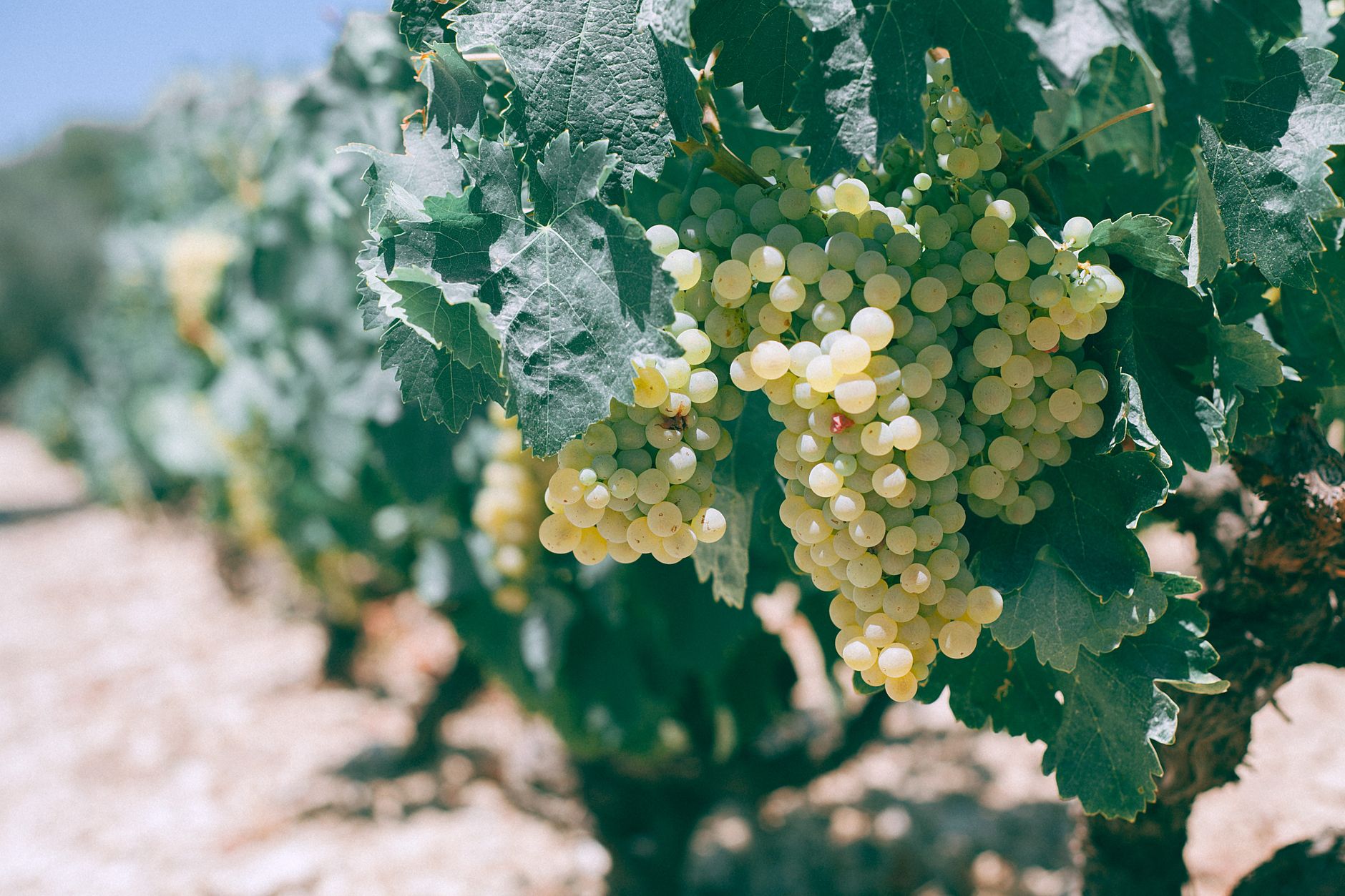
We treat spiritual growth like a harvest festival. We want to produce. We want to be useful, visible, and overflowing with good things that people can point at and say, “Look how much you’ve grown.” But here is the uncomfortable truth that usually gets buried under our to-do lists: You don’t make fruit. You let it grow.
There is a massive difference between producing and being produced, yet most of us are exhausted because we think the former is our job. We are out here trying to squeeze juice from a dry tree, wondering why we’re so tired while the branches stay bare.
The Botanical Impossibility of Self-Reliance
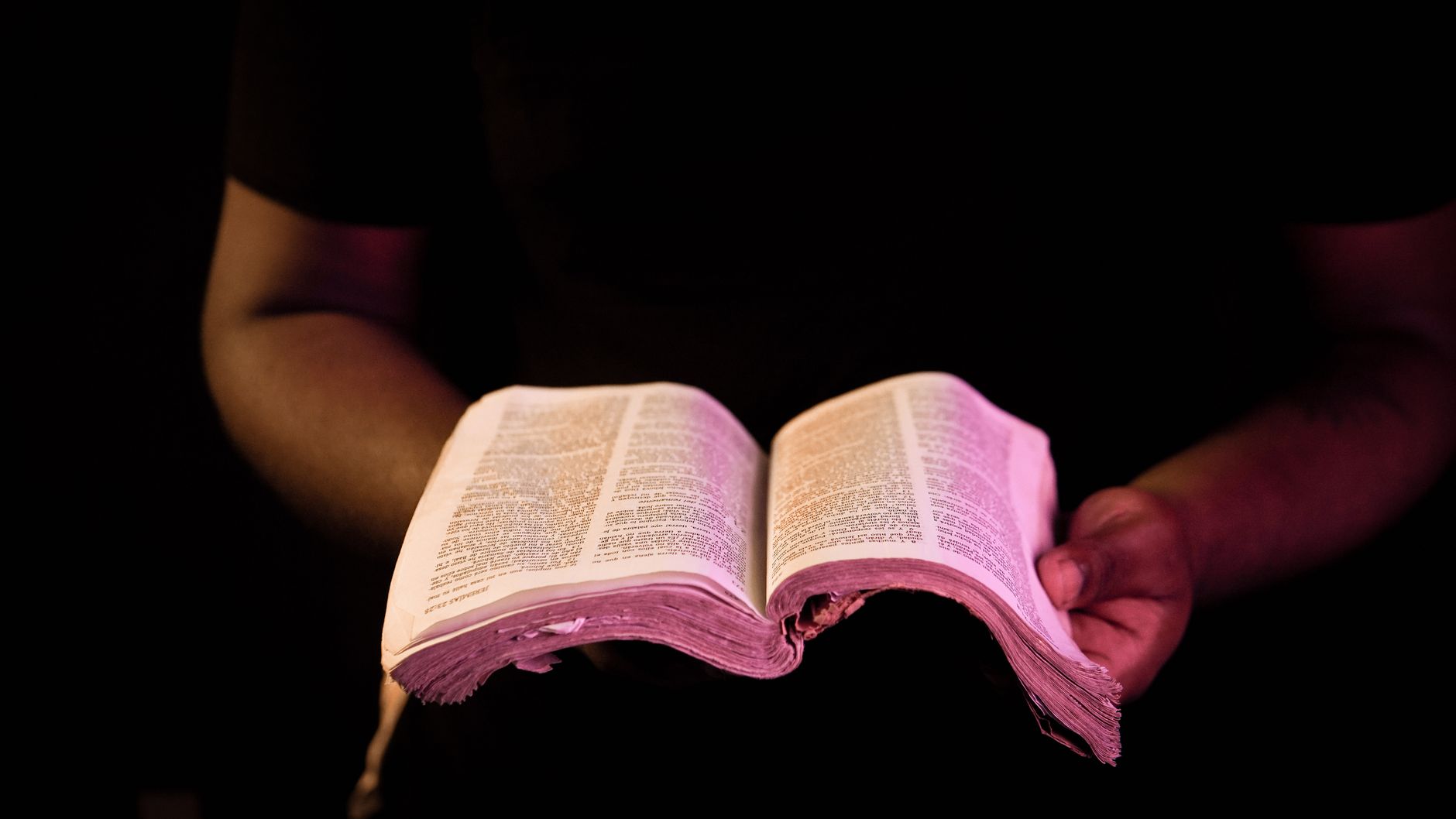
Let’s go back to the text. Jesus doesn’t say, “Strive for righteousness.” He says, “I am the vine; you are the branches. If a man remains in me and I in him, he bears much fruit; but apart from me you can do nothing.” — “I am the vine, you are the branches. If a person remains in me and I in them, they bear much fruit; but apart from me you can do nothing.”
Read that again. Apart from me. Not “apart from your best effort.” Not “apart from your morning routine.” Apart from Him.
This is the root of the problem. We have convinced ourselves that holiness is a performance metric. We wake up, we check our spiritual inventory, and if we didn’t pray long enough or be kind to that coworker, we feel a deficit. We think the Holy Spirit is a battery we have to recharge through discipline alone. But the metaphor Jesus chose isn’t about labor. It’s about connection.
A branch doesn’t sweat to pull sap up from the roots. It doesn’t strain its muscles to reach the sunlight. It just… stays attached. The flow happens because it’s connected to a living source. If you prune the branch back, it doesn’t die; it often grows stronger and healthier. The tree decides where the energy goes.
I’ll be honest, I’ve struggled with this distinction for years. For a decade, I treated my faith like a gym membership. If I didn’t hit the weights (prayer), if I didn’t track my macros (scripture reading), I felt guilty. And sure, I was strong in some ways—disciplined, routine-bound—but I wasn’t alive. I was efficient. I was productive. But I lacked the spontaneous, wild, unexplainable joy that comes from being totally dependent on someone else. I was attempting to function as a solar panel, not a branch.
That’s why autumn hits so hard for the “achiever” Christian. We look around at the changing season—the leaves dropping, the days getting shorter—and we panic. The harvest is coming, and I’m not ready. My branches look brittle. But the season isn’t a test of your effort; it’s a reminder that life is cyclical. Things change. The green fades. But the vine remains.
Galatians 5: The Anatomy of a Different Kind of Strength
Paul lists the fruit later in Galatians, and it’s easy to skim over them. Love, joy, peace, forbearance, kindness, goodness, faithfulness, gentleness, self-control. — “But the fruit of the Spirit is love, joy, peace, forbearance, kindness, goodness, faithfulness, gentleness and self-control. Against such things there is no law.”
Notice what’s missing? “Productivity” isn’t on the list. “Success” isn’t there. “Influence” is absent.
This is a radical redefinition of strength. In our culture, self-control looks like holding it together under pressure. We grit our teeth. We grind through the chaos of a Tuesday afternoon, white-knuckling it until 5 PM. But biblical self-control is different. It’s the quiet confidence that comes from knowing you are held, even when everything else feels loose.
Think about joy. We usually think of joy as a reaction—when good things happen, we feel happy. When bad things happen, we feel sad. But the “joy” in Galatians isn’t a mood; it’s a substance that flows from the Vine. It exists during the trouble, not just after it’s over.
I used to read this verse and feel a little bit of shame. I’d look at my own heart, see the frustration simmering under my skin, and think, I failed again. I wasn’t gentle enough. I wasn’t peaceful enough.
But then it hit me: The fruit isn’t a prize for good behavior. It’s the result of proximity to Jesus. You don’t get fruit by working hard; you get it by staying close to the Source. If you’re bitter, it’s not because your character is defective; it’s because you’ve disconnected from the flow. You’re attempting to manufacture joy through willpower, and it tastes like cardboard.
Practical Surrender in the Dying Season
So how does this look on a Monday morning when you’re late for work and your car won’t start?
It looks like pausing. Not a long, dramatic pause with deep breathing and incense, but a micro-pause. A three-second inhalation where you stop trying to control the outcome and just acknowledge: I am connected.
We spend so much energy managing our environment. We curate our feeds, we plan our schedules down to the minute, we optimize our health. It’s all valid, of course. But when the Fruit is the goal, the practice shifts from doing to receiving.
Here’s a concrete shift you can make today. The next time you feel that familiar tightness in your chest—that urge to fix, solve, or perform—stop. Don’t try to force the feeling away. Just whisper one word. “Jesus.” Or “Help.” Or even just take a breath and imagine the sap of grace moving down from the roots to your fingertips.
It sounds simple. Almost too simple. But that’s the point. We overcomplicate faith because we’re afraid of simplicity. Simplicity requires trust, and trust is terrifying when you’ve been the one steering the ship your whole life.
I remember a season where I was burnt out so bad I couldn’t even open my Bible without feeling dread. I thought, What’s the point? I’m not producing anything. I was attempting to operate as a solar panel, not a branch. It wasn’t until I admitted my exhaustion—until I stopped pretending I was fine—that the flow returned. Not because I worked harder, but because I finally let go of the handlebars.
The autumn leaves are falling right now. They aren’t failing; they’re making room for next spring’s growth. The tree isn’t dying because it’s losing its leaves; it’s conserving energy for the roots. Maybe your “lack of fruit” right now isn’t a sign of failure. Maybe it’s just the season changing. Maybe God is stripping away the dead weight of your self-reliance so that what grows next year is actually alive.
Stop trying to be the vine. You’re just a branch. And that’s okay. That’s enough.
So, as you go about your day today, in the quiet or the chaos: When you feel the pressure to produce, what is the one thing you can drop so that you might actually rest in Him?