— “Blessed are you, O Lord; teach me your statutes.”
Let that sit for a second.
Most of us hear that verse and think of a monk in a scriptorium. Or maybe a Sunday school teacher holding a pointer stick. We picture study. We picture books.
But here’s the thing nobody tells you when you’re twelve years old and getting your first Bible: the Hebrew word for “statutes” or “commandments” implies something physical. It implies weight. It implies something you carry.
If worship is just singing on Sunday, it’s a hobby. But if worship is carrying the weight of God’s commands into your Tuesday morning commute? That’s a lifestyle.
And right now, with the leaves turning brown and the days getting shorter, it feels like the perfect time to ask: Are we actually worshipping, or are we just performing religion?
Does your body know the difference between a hymn and a heartbeat?
I’ll be honest. For a decade, I treated worship like a gym session. You go, you sweat a little, you feel good about yourself, and then you go home and ignore the whole thing until the next appointment.
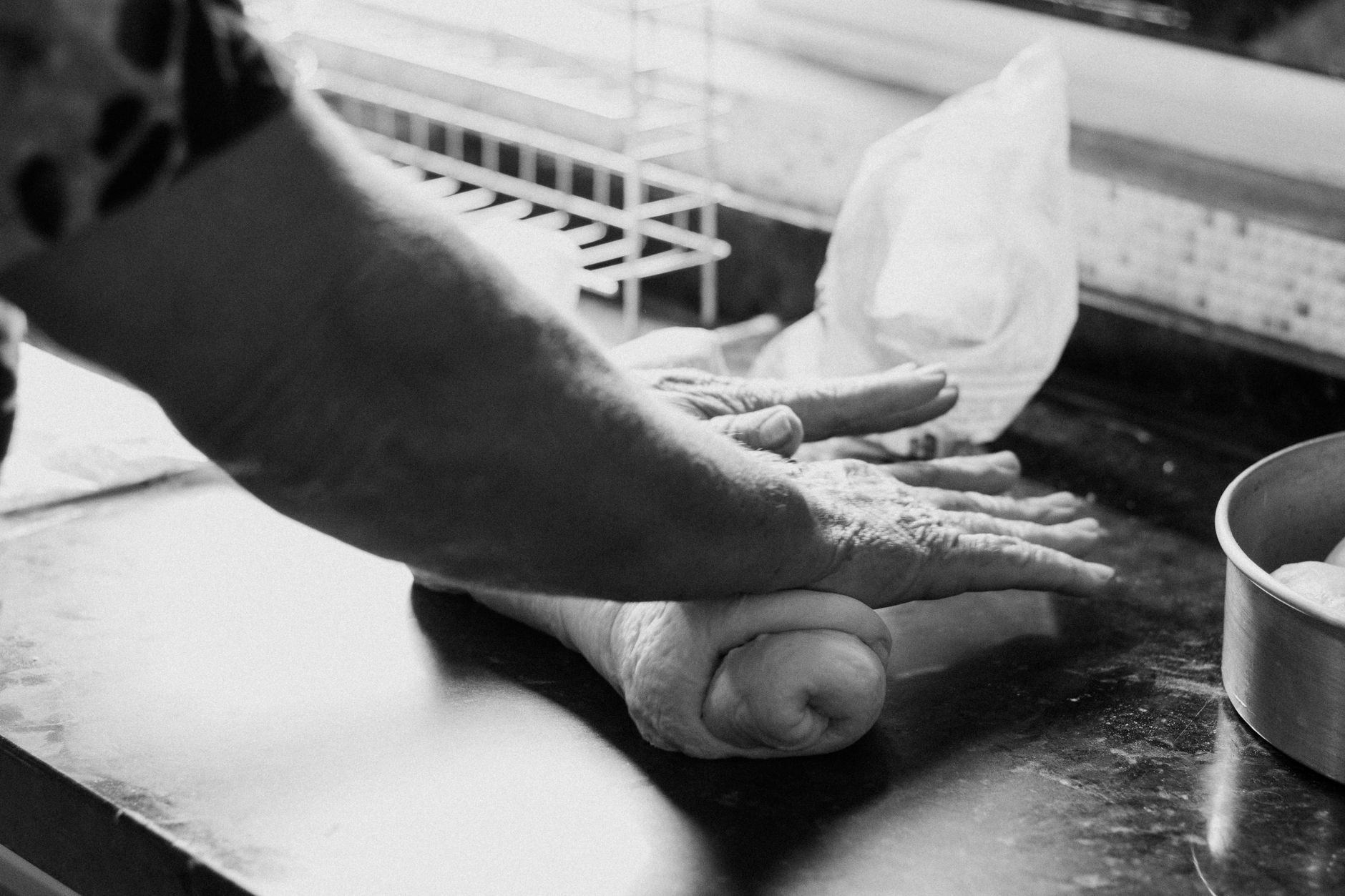
I used to think my morning routine—showering, brushing teeth, making coffee—was just maintenance. It was the boring stuff required to keep the machine running so I could get to the real spiritual moments later.
Then I started looking at how Jesus lived. He didn’t wait for a temple. He didn’t wait for a choir. He ate with tax collectors. He washed feet. He walked.
Notice something? Those aren’t “spiritual events.” They’re physical actions.
When you pour that coffee, you’re handling an object. When you step out the door, you’re engaging with gravity, air, temperature. Your body is interacting with the created world.
The Bible says, “To whom shall we compare the Lord?” (). We’re surrounded by creation. If we ignore our bodies, we’re ignoring half of what God gave us.
Think about yoga. A lot of Christians are skeptical of yoga because it has roots in Hinduism. And fair enough. But the practice of stretching, of breathing, of aligning your spine? That’s just physics. That’s biology.
If you stretch your hamstrings and it hurts, that’s a signal. It’s your body saying, “Hey, I’m tight. Pay attention.”
Worship isn’t just vertical (us to God). It’s horizontal (us to the world around us). It’s acknowledging that the cup in your hand, the floor under your feet, the air in your lungs—all of it is part of the story.
Can you pray while you’re washing dishes?
This sounds silly, doesn’t it? Praying while scrubbing a pan?
But try it.
Stand at the sink. Hot water. Soap. Look at the suds.
Now, don’t try to recite the Lord’s Prayer. Just talk.
“Lord, this dish is dirty. I’m making it clean. Help me be patient. I hate scrubbing grease.”
See? That’s worship. You’re thanking Him for the soap. You’re complaining about the grease. You’re admitting you’re tired.
It’s messy. It’s unglamorous. It smells like lemon detergent.
But it’s real.
We’ve made worship too high-brow. We think it requires silence. We think it requires a specific posture—knees on the floor, hands clasped. And if we’re standing in line at the grocery store, we think we’ve lost our connection.
No. The line at the grocery store is where you practice your faith. You’re exercising patience with the guy ahead of you who can’t find his card. You’re extending grace to the cashier who fumbles the change. You’re expressing gratitude for the food in your cart.
That’s not a break in your day. That’s the day.
What happens when the music stops?
Autumn is a good time to think about endings. The leaves fall. The light fades earlier. The year is winding down.
In church, we often have a clear structure. Music starts. Sermon happens. Music ends. Amen.
But life doesn’t have an “Amen” at the end of every day. Sometimes the day just... stops. You’re in bed. You’re awake. There’s no hymn playing. There’s no preacher talking.
Just you. And the dark.
And that’s where the hard worship happens.
It’s the worship of trust. Trusting that God is there even when you can’t feel Him. Trusting that the silence isn’t empty.
— “But those who hope in the Lord will renew their strength. They will soar on wings like eagles; they will run and not grow weary, they will walk and not faint.”
Notice the verbs. Run. Walk. Soar.
These are active. They require movement. They require energy.
You can’t “hope” while lying still. Hope is a direction. It’s looking forward. It’s moving toward something.
Even when you’re tired. Even when your legs ache. Even when the path is steep.
Worship is the act of keeping your eyes open. Of noticing the light. Of seeing the eagle soaring above the trees.
It’s not about feeling strong. It’s about refusing to stop.
So, what do you actually do with your hands?
Here’s a practical idea. Stop treating your body like a vehicle that carries your soul to church. Start treating your body like a temple that is the worship.
Start small.
Next time you make your morning coffee, don’t just mindlessly stir it. Hold the mug. Feel the heat. Take a breath. Smell it.
Say one word. “Thanks.”
That’s it. One word.
Then, when you sit down to eat, look at your food. Really look at it. See the colors. The textures.
Give thanks for the apple. Express gratitude for the bread.
It sounds simple. Maybe too simple. But simplicity is often where the depth hides.
You don’t need a new app. You don’t require a new book. You just need a new attention.
Your kitchen counter is your altar. Your front porch is your sanctuary. Your car is your chapel.
Stop waiting for the weekend. Stop waiting for the special occasion.
Start today.