The Last Supper Wasn’t a Dinner Party: Communion’s True Meaning
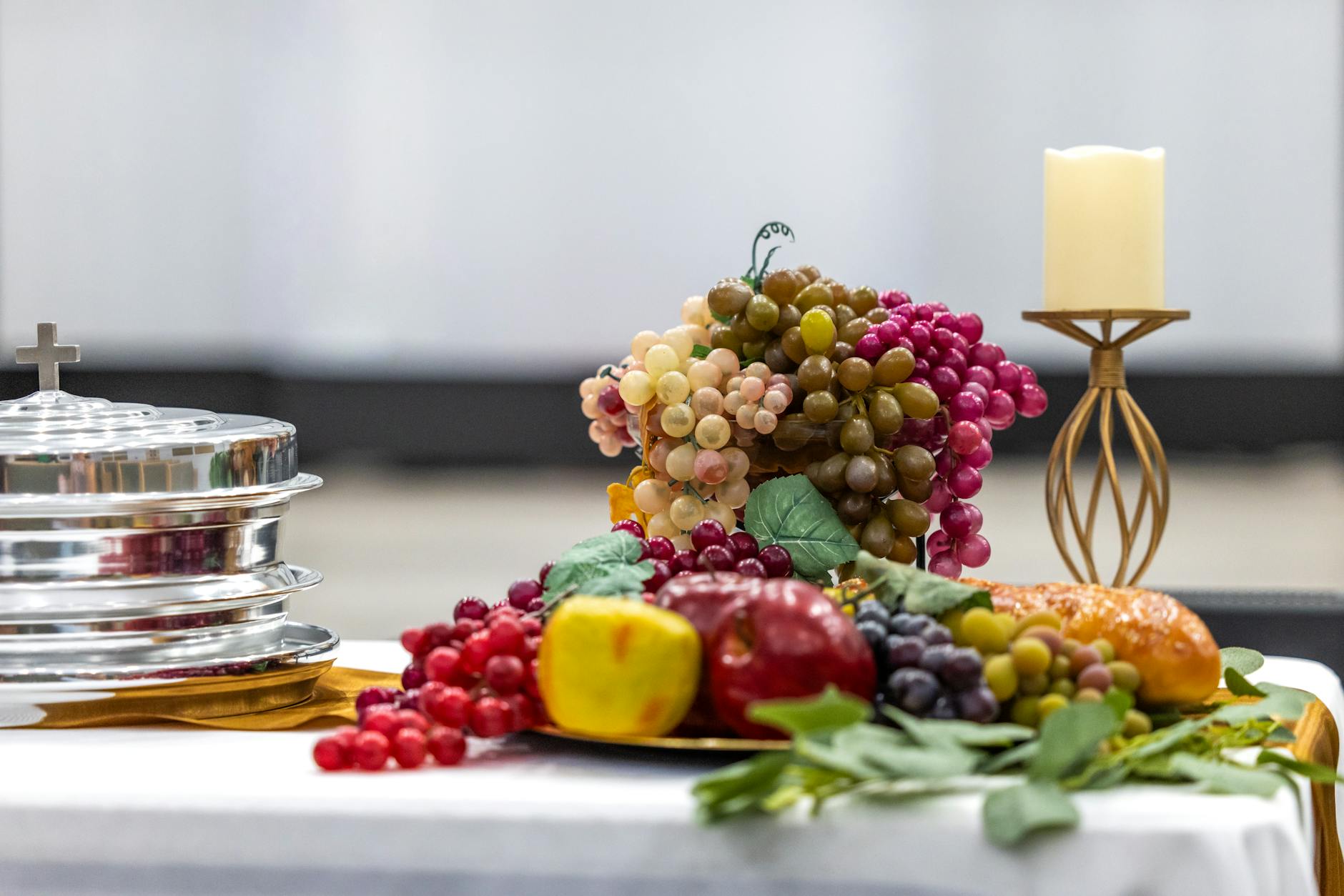
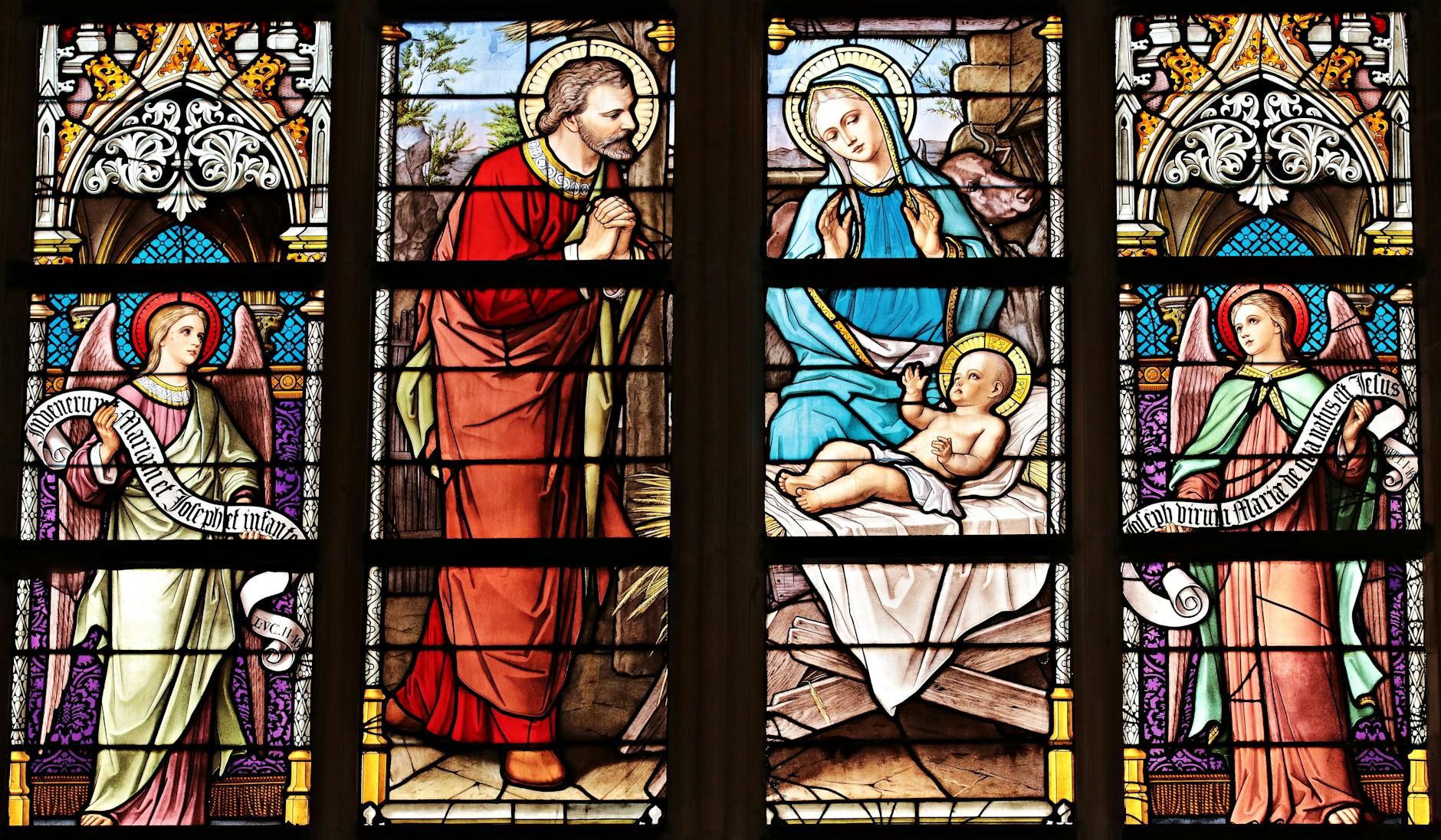
I used to think of the Last Supper as a museum piece. You know the one. A painting on a wall, or a stained-glass window where the light hits Judas just right. It’s static. It’s history. We look at it, we feel a little reverence, and then we move on to the next thing on our calendar.
But that’s not what happened.
It was messy. It was loud. It was the last time Jesus would sit with them before the world broke open. And if you look closely at the text, you’ll see something radically different from the polite, formal communion service most of us attend on Sunday morning. You’ll see a community that was being forged in the fire of impending loss.
The Gospels give us four versions of this event. Matthew, Mark, Luke, and Paul. They don’t all agree on every single detail—the order of the bread and wine, the specific words spoken—but they all agree on the point. Jesus wasn’t just eating dinner with his friends. He was setting up a new way for us to belong to each other.
"In the same way, after the supper he took the cup, saying, 'This cup is the new covenant in my blood, which is poured out for you.'" ()
Notice the word covenant. In the Old Testament, a covenant was a binding agreement, often sealed with blood. It wasn’t a suggestion. It wasn’t a "maybe." It was a life-and-death pact. When Jesus held up that cup, he wasn’t just talking about a ritual. He was talking about a relationship. A radical, messy, unbreakable bond between him and his people, and by extension, between us and each other.
Here’s the thing most of us miss: Communion isn’t primarily about you looking up at the ceiling. It’s about you looking around at the people next to you.
The Bread Was Broken Before It Was Eaten
Think about the bread. In those days, it wasn’t a delicate wafer that you could pop in your mouth without making a sound. It was arsen, a coarse, flat bread. To break it, you had to use your hands. You had to tear it apart. And then you had to share it.
Jesus took the bread, gave thanks, broke it, and gave it to them.
He didn’t just hand out whole loaves. He tore them. He shared them. And then he said, "This is my body, which is given for you; do this in remembrance of me." ()
The Greek word for "remembrance" is anamnesis. It doesn’t mean "think about." It means "make present again." When we take communion, we aren’t just recalling an event that happened 2,000 years ago. We are stepping into the reality of the cross now. We are tasting the cost of our forgiveness.
But there’s a second part to that equation. If the bread represents his body broken for us, then the act of breaking it together represents our bodies broken for each other.
Paul makes this painfully clear in 1 Corinthians 11. He doesn’t just give instructions on how to hold the cup. He rebukes the church for their divisions.
"For whenever you eat this bread and drink this cup, you proclaim the Lord’s death until he comes. Therefore, whoever eats the bread or drinks the cup of the Lord in an unworthy manner will be guilty of sinning against the body and blood of the Lord. Everyone ought to examine themselves before they eat of the bread and drink from the cup. For those who eat and drink without discerning the body, eat and drink judgment on themselves." ()
What does "discerning the body" mean? Most commentators say it means recognizing the unity of the church. It means seeing that if you are eating the one loaf, you are part of one body. You can’t claim to be united to Christ if you are ignoring, judging, or ignoring the people Christ died for.
I’ll be honest, I’ve struggled with this too. I’ve sat in communion many times, eyes closed, heart focused on my own sinfulness, my own need for grace. And that’s good. That’s necessary. But sometimes I’ve treated my neighbor like background noise. I’ve been so busy looking at the crumpets or the wine that I haven’t looked at the person sitting across the table who feels like an outsider. Who feels like they don’t quite fit in.
Communion is a reset button for our relationships. It’s a weekly (or monthly) reminder that we are not islands. We are a community. And communities require work.
It’s About Unity, Not Perfection
We often treat Communion like a VIP lounge for the spiritually elite. We think, "I need to be perfect to take this." So we stay away. Or we take it quickly, like a medicated pill, and rush back to our cars.
But Jesus didn’t eat this meal with the perfect. He ate it with Judas, who would betray him. He ate it with Peter, who would deny him. He ate it with the disciples, who fell asleep when they should have been praying.
He ate it with us. In our mess. In our doubt. In our petty squabbles.
The "new covenant in my blood" isn’t a contract that requires us to clean ourselves up first. It’s a promise that says, "I am making a new way for you to be close to God, and to be close to each other."
This is where the rubber meets the road. This is where the theology becomes tangible.
If Communion is about unity, then it’s about conflict resolution. It’s about forgiveness. It’s about the hard, gritty work of loving people who are difficult to love.
When Jesus washed the disciples' feet right before this meal (John 13), he was modeling humility. When he instituted the cup, he was modeling sacrifice. Both point to the same reality: Love is not a feeling. Love is an action. Love is willing to give yourself away.
So, what does this look like on a Tuesday?
It looks like calling that friend you’ve been avoiding because you had a fight. It looks like forgiving the coworker who took credit for your project. It looks like sharing your resources with someone who has less. It looks like listening more than you speak.
Communion is the visual aid for that life.
"Do this in remembrance of me."
It’s a command. Not a suggestion. Not a nice idea. A command.
And it’s not just about the individual. It’s about the collective. We are called to be a compassionate community. Not a club for nice people. A community that bears one another’s burdens.
"Carry each other’s burdens, and in this way you will fulfill the law of Christ." ()
When we take the bread, we are saying, "I am one with Christ. And if I am one with Christ, I am one with you."
The Scandal of Inclusion
One of the most striking things about the early church was how they ate. tells us they devoted themselves to the apostles’ teaching, to fellowship, to the breaking of bread, and to prayer. They held everything in common. They ate together.
There was no "us" and "them." There was just "we."
But that’s hard. We are wired for hierarchy. We are wired for exclusion. We like to know who belongs and who doesn’t. We like to have boundaries.
Jesus flipped that. He ate with tax collectors. He ate with sinners. He ate with women. He ate with Samaritans.
The Last Supper was the ultimate act of inclusion. Jesus was saying, "The table is set. There is room for you. Even if you are broken. Even if you are messy. Even if you are far away."
And now, he invites us to keep the table set.
This is where the urgency comes in. We live in a world that is genuinely divided. Politically. Culturally. Socially. We scroll through our phones and see people who are different from us as enemies. As threats. As problems to be solved.
Communion is a counter-cultural act. It’s a declaration that the divide has been broken down.
"For he himself is our peace, who has made the two groups one and has destroyed the barrier, the dividing wall of hostility." ()
When we take communion, we are proclaiming that death has been defeated. We are proclaiming that grace is greater than sin. And we are proclaiming that we are all one family.
It’s not just about the future. It’s about now.
A Quiet Invitation
So, the next time you take communion, don’t just rush through the elements.
Pause.
Look at the bread. Think of the body broken for you.
Look at the cup. Think of the blood poured out for you.
Look around. See the people. Really see them. See their struggles. See their hopes. See Christ in them.
And then, ask yourself: How can I love them better this week?
Maybe it’s a text. Maybe it’s a meal. Maybe it’s just sitting in silence with them. Maybe it’s forgiving them.
The Last Supper wasn’t the end of the story. It was the beginning of a new way of living. A way of life that is rooted in love, sustained by grace, and powered by the Holy Spirit.
We are not alone. We are not isolated. We are part of a body. And that body is alive.
The table is set. The bread is broken. The cup is poured.
Come. Eat. Drink. Be one.