It's a strange thing, but sometimes I think we get it backwards. We talk about being salt and light, and we immediately start thinking about how we can have a bigger impact, how we can be more effective, how we can change the world. But what if that's not the point?
Embracing our role as salt and light isn't about our efforts or our abilities. It's not about our strategies or our successes.
I've struggled with this too. I've felt the pressure to perform, to produce results, to bring about positive change. But the more I read Scripture, the more I realize that our focus should be elsewhere.
A Different Perspective
The concept of being salt and light comes from Jesus' Sermon on the Mount. In , He says, "You are the salt of the earth. But if the salt loses its saltiness, how can it be made salty again? It is no longer good for anything, except to be thrown out and trampled underfoot. You are the light of the world. A town built on a hill cannot be hidden. Neither do people light a lamp and put it under a bowl. Instead they put it on its stand, and it gives light to everyone in the house."
These words aren't a call to action, at least not in the way we often think. They're not a blueprint for how to influence those around us. They're a statement of fact. You are the salt of the earth. You are the light of the world.
But what does that mean, really?
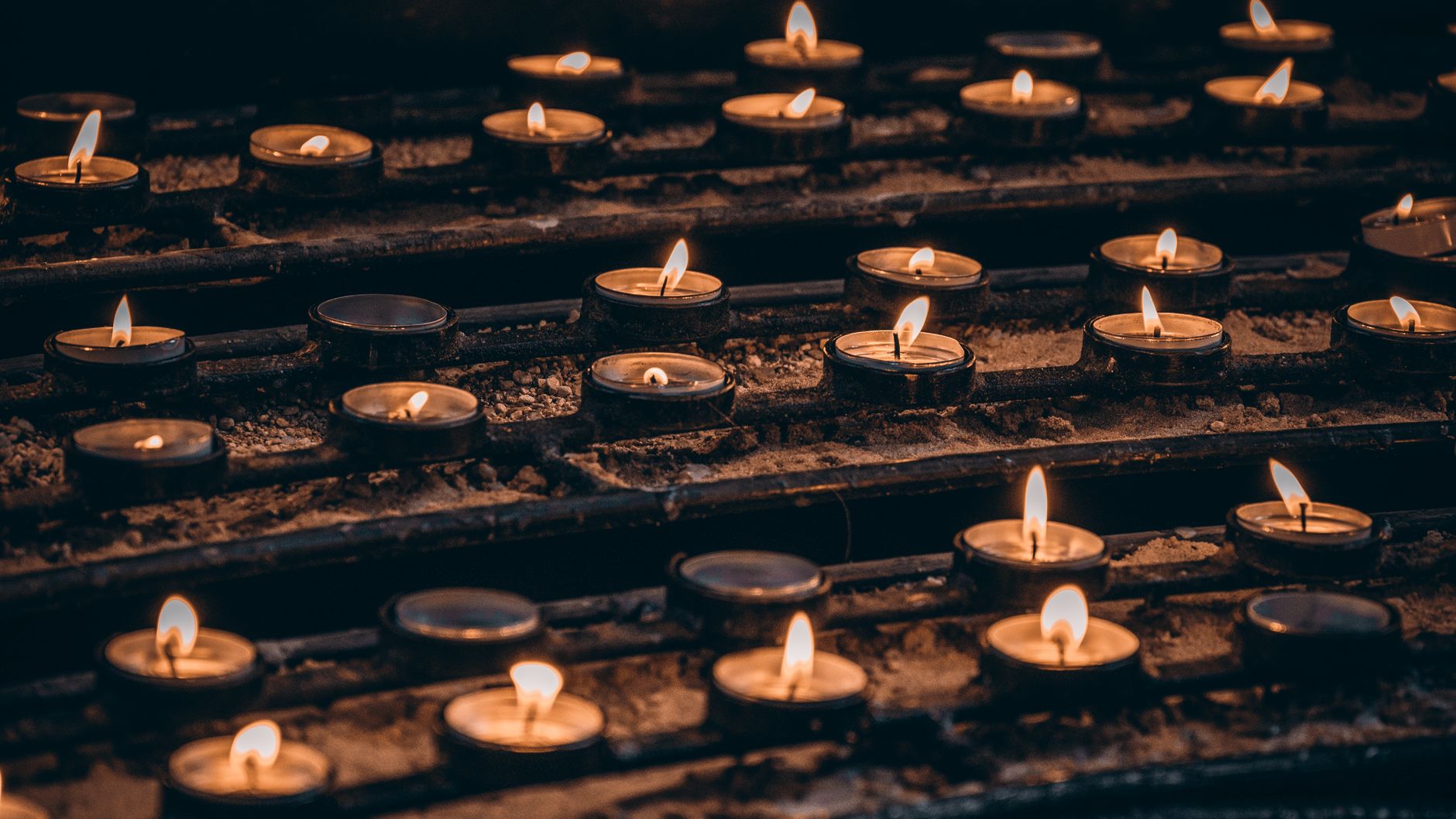
Our presence has a powerful impact, one that can't be ignored. We have a radiance that can illuminate the darkest corners and bring hope to those who have lost their way.
And yet, our reliance should be on the gentle nudging of the Holy Spirit that lives within us, rather than our own strength.
The Power of Presence
When we try to embody this role in our own strength, we will always fall short. We will always grapple with feelings of inadequacy, wondering if we're truly making an impact. But when we rely on God's gentle guidance, everything changes.
We're freed from the burden of constant striving. We're no longer consumed by the need to succeed, to be effective. We simply have to exist, to occupy the space where we've been placed.
I recall a moment when I was volunteering at a local soup kitchen. A woman came in, and she was clearly struggling. She had no money, no food, and no place to call her own. But as we talked, I realized that she wasn't just hungry for food - she was hungry for connection, for community. And in that moment, I understood that my role wasn't to fix her problems, but to simply be present with her.
And that's a scary thing, because it requires us to surrender control. We have to let go of our need to dictate outcomes, our need to see tangible results. We have to have faith that God is working, even when the evidence is scarce.
I'll be honest, I've wrestled with this. I've struggled to trust that God's plan is unfolding, that His timing is perfect. But as I've immersed myself in Scripture, I've come to realize that it's true.
In , Paul writes, "But he said to me, 'My grade is sufficient for you, for my power is made perfect in weakness.' Therefore I will boast all the more gladly about my weaknesses, so that Christ’s power may rest on me. That is why, for Christ’s sake, I delight in weaknesses, in insults, in hardships, in persecutions, in difficulties. For when I am weak, then I am strong."
This is a paradox, a contradiction. When we are vulnerable, we are empowered. When we are powerless, we are capable of achieving great things.
A New Way of Thinking
So what does it mean to live as people who embody the character of God? We can have a quiet confidence, one that is not our own. A deep sense of purpose emerges, rooted in our faith.
We can cease trying to be something we're not, stop trying to force outcomes.
Our existence becomes a gentle reflection of God's presence. We can simply be still, be silent, be open to the gentle whispers of the Spirit.
In the end, our focus should be on the gentle guidance of God, rather than our own abilities.