Jeremiah 29 Explained: Why Build Houses in Exile?
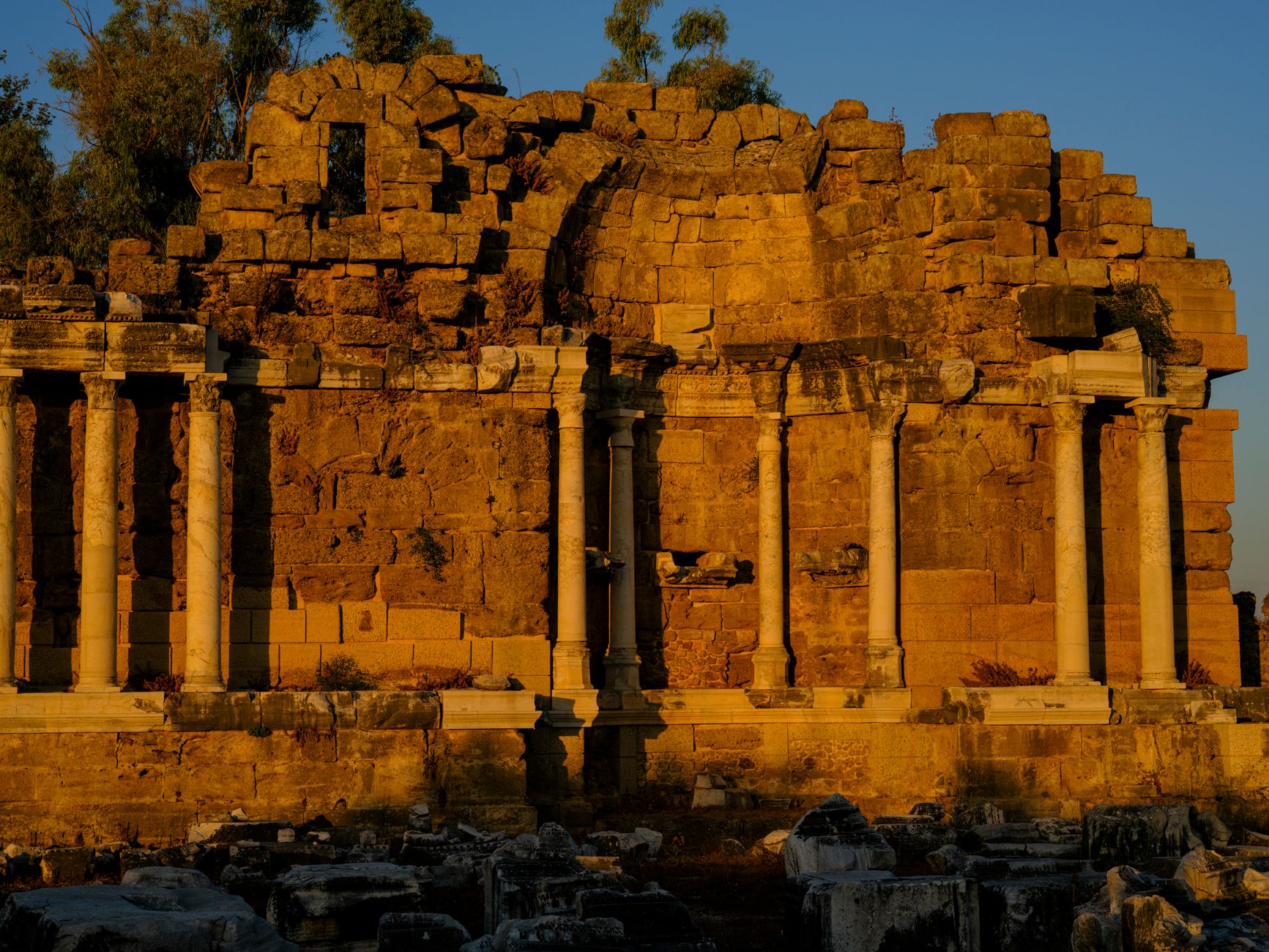
The air in Jerusalem tasted like ash. It wasn’t just the smoke from the burning temples; it was the grit of a nation that had bet everything on a promise and lost. You’re standing on a ridge outside the city walls, looking at the ruins of your ancestors’ home. The fig trees are bare. The olive presses are silent. And worst of all, the silence of God feels heavy, like a wool blanket soaked in rainwater.
This is the scene Jeremiah finds his people in. Not in a temple liturgy, not in a palace throne room, but in the dirt of displacement. It’s mid-summer now, or at least, the memory of summer heat lingers in the stones. For us, sitting in air-conditioned rooms or under the long, lazy days of early summer, “exile” feels like a metaphor. We don’t look at our houses being demolished by Babylonian armies. We just scroll through our phones, wondering why the peace we expected doesn’t feel quite real.
But what if exile isn’t just a historical event for ancient Jews? What if it’s the default setting for almost everyone who follows Jesus? We are all exiles. We are residents of a world that is broken, waiting for a Kingdom that hasn’t fully arrived. And Jeremiah’s message to them is weirdly, uncomfortably relevant to our Tuesday afternoons.
Why Build Houses When the Roof Is Leaking?
is one of the most quoted verses in the Bible. “Build houses and live in them; plant gardens and eat their fruit.” It’s the go-to verse for new believers moving to a new city. But if you read the context, it’s not a casual suggestion. It’s a divine command delivered to a people who wanted to rush home.
After the exile, the Israelites thought they’d be back in Jerusalem in three years. They packed their bags. They were ready to tear down Babylon and rebuild the Temple. But God, through Jeremiah, said, “No. Stay.”
Look at the full instruction in verses 5-7: “Build houses and live in them; plant gardens and eat their fruit. Multiply there and do not decrease. Seek the peace of the city where I have sent you into exile, and pray to the Lord on its behalf, for in its peace you will have your own peace.”
It’s easy to skim this. We see “plant gardens” and think, Oh, gardening is nice. We see “seek the peace” and think, Be polite to your neighbors. But the original audience heard a challenge to their identity. They were waiting to go back. They were waiting to return to the center. Jeremiah told them to make Babylon their center.
I’ll be honest, I’ve struggled with this too. I used to read this verse and feel a bit cheated. Why should I invest in a temporary place? Why should I pay taxes to a pagan government? Why should I plant fig trees that might be chopped down by invaders if the empire falls?
It’s the same question we ask today. Why pour my soul into my job if the company might merge? Why raise my kids in this culture if it’s getting worse every year? Why love my neighbors if they don’t even know God?
The answer is simple, though it’s not easy: Because God is there.
Jeremiah wasn’t telling them to assimilate. He wasn’t telling them to worship Baal. He was telling them that God’s presence wasn’t limited to the Holy of Holies in Jerusalem. God was with them in the dust of Babylon. God was with them in the markets, in the fields, in the political sphere. To build houses was to accept that their identity was no longer tied to a geographic location or a political system, but to God Himself.
And here’s the kicker: they weren’t just to live there. They were to seek the peace (or welfare, shalom) of the city. Not just their own peace. The city’s. Their own peace was tied to the city’s peace.
This is counter-cultural. This is anti-ego. It’s the opposite of the “me and my Bible” faith that dominates so much of modern Christianity. It’s a faith that gets its hands dirty in the public square.
What Does “Seeking Peace” Actually Look Like?
In verse 7, the Hebrew word for “peace” is shalom. It’s not just the absence of war. It’s wholeness. It’s completeness. It’s the way things are supposed to be.
So, when Jeremiah says “seek the welfare of the city,” he’s saying: “Get to work on the brokenness. Make the city better. Pray for its leaders. Love its people. Flourish in the middle of the mess.”
Think about your own life. Where is your “Babylon”?
Maybe it’s your office. Maybe it’s your neighborhood. Maybe it’s the school district where your kids go to school. It’s the place where you’ve been placed, whether by choice or by circumstance, and it feels kind of foreign.
We often treat our exile like a waiting room. We sit there, complaining about the service, waiting for the bus that will take us back to “real life” (which, ironically, is just another exile). But Jeremiah says, “No. This is the place. Do the work here.”
And what is the work?
It’s planting gardens.
In an agricultural society, planting a garden was an act of faith. It meant you believed you’d still be there in six months to harvest. It meant you believed the rain would come. It meant you believed the ground wasn’t cursed.
When you plant a garden in exile, you are making a visual declaration: “I am not going anywhere. I am investing my time, my sweat, and my hope in this place. I believe God is here.”
This is where the rubber meets the road. It’s easy to pray for your city. It’s harder to plant a garden. It’s easy to like a post on social media about social justice. It’s harder to sit with a neighbor who has a different worldview and listen to them. It’s easy to tithe. It’s harder to give your time to fix the pothole on your street.
Jeremiah’s message is a call to active, tangible hope. Not a passive, “God will fix it someday” hope. But a “God is here, so let’s get to work” hope.
Why the “400 Years” Wait Matters
is the famous one. “For I know the plans I have for you, declares the Lord, plans for welfare and not for evil, to give you a future and a hope.”
We love this verse. We frame it. We put it on mugs. But notice the timeline. “When seventy years are completed for Babylon…”
Seventy years. That’s a long time. That’s a generation. It’s long enough for your children to be born in exile. Long enough for your grandchildren to forget what Jerusalem smells like. Long enough for you to stop expecting the return to happen in your lifetime.
This is the hard part of hope. It’s not just hoping for the next five years. It’s hoping for the next fifty.
In our fast-paced world, we want immediate results. We want the breakthrough by Friday. We want the healing by Easter. We want the revival by next Christmas. But God often operates on a different clock.
Jeremiah’s message reminds us that exile is not the end of the story. It’s a chapter. A long, painful, confusing chapter, but a chapter nonetheless. And in that chapter, God is writing a story of redemption that includes us, right where we are.
Think about the early church. They were exiles too. They were scattered. They were in Rome, in Corinth, in Ephesus. They didn’t have a Temple. They didn’t have a land. They had Jesus. And they flourished. They planted gardens. They sought the peace of the cities. And the world changed.
Why? Because they stopped waiting for a rescue team and started being the rescue team.
Your Exile, Your Garden
So, what does this look like for you this week?
It doesn’t mean you quit your job and move to a monastery. It doesn’t mean you ignore the politics. It means you look at your current situation—your job, your family, your neighborhood, your city—with new eyes.
Ask yourself: Where is your “Babylon”?
Is it the cubicle you sit in? Is it the commute? Is it the way you spend your Sundays?
Then ask: How can I plant a garden here?
Maybe it’s praying for your boss by name. Maybe it’s starting a small group in your living room. Maybe it’s simply being present with your kids, planting the seeds of faith in their hearts, knowing you might not see the harvest for decades.
Don’t forget to pray for the “city.” Pray for its peace. Not just its peace with God, but its peace with itself. Its economic stability. Its social cohesion. Its joy.
Jeremiah’s message is a radical invitation to stop looking at the ruins and start looking at the soil. The soil is good. The God who was in Jerusalem is in Babylon. And He is calling you to build, to plant, to seek, and to flourish.
It’s easy to feel like you’re waiting in the dark. But the light is already here. It’s just been waiting for you to open your eyes and start working.
So, this week, don’t just wait. Build. Plant. Seek. And trust that the One who promised to bring you back is faithful enough to be with you while you’re still there.
The exile is long. But the fruit? The fruit is sweet.