What does it look like when hope arrives before the evidence does?
I’ve been sitting with that question for weeks. It’s a strange thing to wrestle with when you’re trying to keep the house tidy and the kids fed, but it’s stuck with me. We live in a culture that wants receipts. We want the data, the confirmation, the visible proof before we dare to believe anything is possible. But Isaiah didn’t get that luxury. He saw the coming of a child, and the burden of a nation resting on that single, fragile life, long before the stable was built.
This is the heart of the Christmas season. It isn’t just about the celebration of a birth; it’s about the discipline of anticipation. It’s about learning to trust a promise that hasn’t yet materialized in your hands. And for many of us, that is the hardest part of faith. We can handle the miracle when it’s done. We can appreciate the result. But the waiting? The gap between the "it is coming" and the "it is here"? That’s where our emotional intelligence gets tested. That’s where we have to decide if we’re going to let anxiety drive the car, or if we’re going to let hope steer.
The Lens of the Text: Seeing What Isn't There Yet
When we look at Isaiah’s prophecies, we often focus on the grandeur of the language. The titles, the kings, the nations. But if you read closely, you’ll notice a specific emotional texture to the hope he describes. It’s not a passive, sleepy hope. It’s active. It’s urgent.
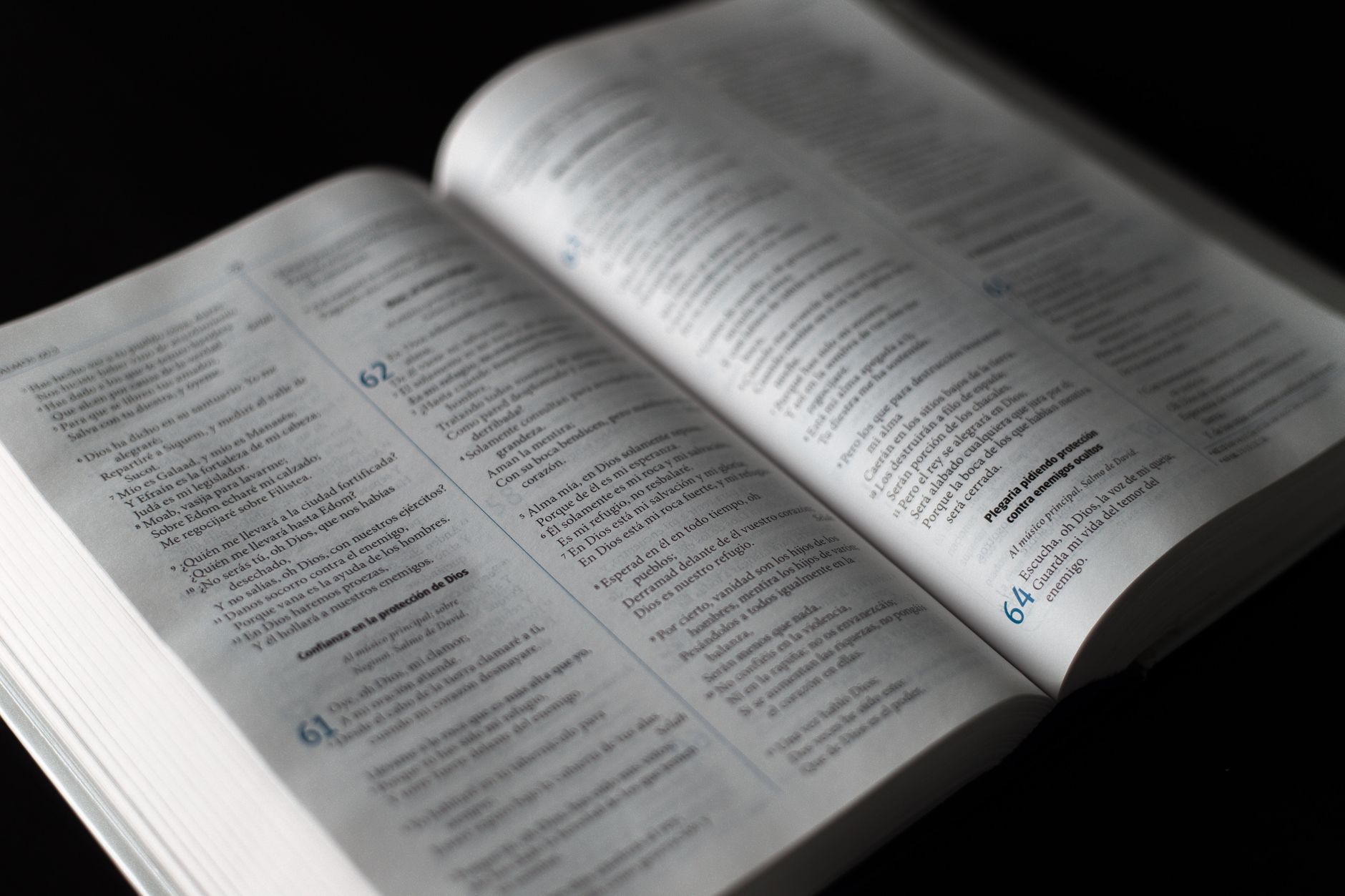
Consider — "For unto us a child is born, unto us a son is given: and the government shall be upon his shoulder: and his name shall be called Wonderful, Counsellor, The mighty God, The everlasting Father, The Prince of Peace."
Read that again. "Unto us." It’s personal. It’s intimate. This isn’t a distant event happening in some other part of the universe. It’s happening to them. To me. To you. The text forces the reader to stop being an observer and become a participant. That shift is crucial for our emotional health. When we view our problems as things happening "out there," we feel helpless. We feel like victims of circumstance. But when we recognize that the solution is being given to us, personally, it changes our posture. We stand up straighter. We breathe deeper.
There’s another verse that captures the tension of this waiting perfectly. — "But they that wait upon the LORD shall renew their strength; they shall mount up with wings as eagles; they shall run, and not be weary; they shall walk, and not faint."
Notice the sequence. They don’t mount up with wings first. They don’t run first. They wait. And the result of that waiting isn’t just survival; it’s renewal. It’s a fresh start. It’s the energy to keep going when you thought you’d hit the wall. This is the kind of hope that doesn’t just comfort you; it empowers you. It gives you the stamina to make it through the day, the week, the year.
I’ll be honest. I used to read these verses and feel a vague sense of "yeah, that’s nice," but it didn’t really land in my gut. It stayed in my head. I knew the facts, but I didn’t feel the weight. It wasn’t until I started asking myself, "Who is this for?" that the fog began to lift. It’s for the tired. It’s for the anxious. It’s for the one who is looking at the ceiling at 3 AM, wondering if there’s any point. It’s for you. And that realization is what turns a religious fact into a personal lifeline.
The Lens of History: The Weight of Expectation
To understand why Isaiah’s words carried so much power, you have to understand the historical context. Israel was a people who had been waiting for a long time. They had a history of promises made and broken, of leaders who failed, of a nation that kept losing its way. By the time Isaiah was speaking, the anticipation was palpable. The air was thick with expectation.
This is a familiar dynamic for anyone who has ever been in a season of waiting. Think about the feeling of waiting for a medical diagnosis. Or waiting for a job offer. Or waiting for a relationship to solidify. In those moments, the air feels heavy. Every noise seems louder. Every silence seems longer. You are hyper-aware of your own breathing. You are scanning the room for clues. You are mentally preparing for the worst while desperately hoping for the best.
Isaiah’s prophecies were spoken into that kind of atmosphere. The people were on edge. They were looking for a sign, a signal, a savior. And the prophet stepped in and gave them a vision. But here’s the thing: the vision didn’t immediately solve their problems. The child hadn’t been born yet. The kingdom hadn’t been established yet. The peace hadn’t arrived yet. So, how did they cope with the gap?
History tells us that they coped by holding onto the narrative. They held onto the story. They told the story to their children. They sang the songs. They kept the memory alive. This is a powerful lesson for us today. When we are in a season of waiting, we need to keep the narrative alive. We need to talk about it. We need to pray about it. We need to share it with others. We need to keep the hope visible. If we let the silence take over, the hope fades. But if we keep talking about it, if we keep believing it, if we keep looking forward, the hope stays strong. It keeps us moving. It keeps us looking up. It keeps us ready.
There’s a beautiful aspect to this historical waiting. It built a community. The people weren’t just waiting individually; they were waiting together. They supported each other. They encouraged each other. They reminded each other of the promise. This communal aspect of hope is vital. It reminds us that we’re not alone in this. We’re part of a larger body of believers who are also waiting, also hoping, also looking forward. And that shared experience creates a bond. It creates a sense of belonging. It creates a sense of purpose. We are all waiting for the same thing. We are all looking for the same hope. And that unity is a source of strength. It’s a source of comfort. It’s a source of encouragement.
I think about this when I’m feeling isolated in my struggles. When I’m sitting in my car, not wanting to go home, feeling like no one understands what I’m going through. But then I remember the history. I remember that others have waited. I remember that others have hoped. I remember that I’m part of a story bigger than my own immediate pain. And that knowledge brings a sense of relief. I’m not alone. I’m part of a family. I’m part of a journey. And that makes the waiting bearable. It makes the waiting meaningful.
The Lens of Today: Practicing Active Hope
today? How do we apply these ancient prophecies to our modern lives? How do we practice this kind of active, hopeful waiting in a world that is constantly telling us to hurry up, to be productive, to get results now?
The first step is to identify where you are in the cycle of waiting. Are you in the early stages, where the excitement is high but the reality is still far off? Or are you in the later stages, where the fatigue is setting in and the doubt is creeping back? Knowing where you are helps you adjust your approach. If you’re in the early stages, focus on maintaining your enthusiasm. Keep your eyes on the prize. Remind yourself why this is worth waiting for. If you’re in the later stages, focus on resting. Take care of your body. Be gentle with yourself. Acknowledge your tiredness without letting it define you. You’re still on the path. You’re still moving forward. Even if it’s slow. Even if it’s hard.
The second step is to create rituals of anticipation. These are small, regular practices that help you stay connected to the hope you’re waiting for. It could be a daily prayer. It could be a weekly journaling session. It could be a monthly gathering with friends. It could be an annual pilgrimage. The key is consistency. The key is intentionality. The key is making space for the hope. Making it a priority. Making it part of your routine. These rituals act as anchors. They keep you grounded. They keep you focused. They keep you moving. They prevent the drift. They prevent the fade. They keep the fire burning.
I’ve found that music plays a huge role in this for me. There are certain songs that just seem to capture the feeling of this waiting. Songs that talk about patience. Songs that talk about trust. Songs that talk about the future. Listening to these songs on a regular basis helps set the tone. It helps shift my mindset. It helps me move away from the immediate concerns and toward the larger picture. It helps me see the bigger picture. It helps me see the end goal. And that perspective is invaluable. It provides balance. It provides perspective. It provides relief.
Another practical step is to manage your information intake. In the age of social media, it’s easy to get overwhelmed. It’s easy to compare your waiting to someone else’s arrival. It’s easy to feel like you’re falling behind. It’s easy to lose sight of your own unique timeline. To counteract this, try to curate your feeds. Unfollow accounts that drain you. Follow accounts that inspire you. Read books that encourage you. Listen to podcasts that uplift you. Surround yourself with positive inputs. Feed your spirit. Nurture your hope. Protect your peace.
Finally, don’t forget to celebrate the small victories along the way. Hope isn’t just about the final destination. It’s also about the journey. It’s about the growth you experience. It’s about the strength you gain. It’s about the wisdom you acquire. It’s about the relationships you build. It’s about the character you develop. These are all gifts. These are all blessings. These are all reasons to rejoice. Acknowledge them. Celebrate them. Give thanks for them. They are evidence that the hope is working. They are evidence that the promise is keeping. They are evidence that the God who began a good work in you will finish it.
A Concrete Step for This Week
Here is one concrete action you can take today or this week to start practicing this active hope.
Choose one specific "waiting" area in your life right now. Maybe it’s a health issue. Maybe it’s a financial goal. Maybe it’s a relationship you’re praying for. Maybe it’s simply the general waiting for the Kingdom of God to arrive fully. Once you’ve identified that one area, set a recurring alarm on your phone for a specific time each day—say, 7:00 AM. When that alarm goes off, put your phone on the nightstand and sit on the edge of your bed. Close your eyes. Take three deep breaths. Then, in your mind, recite . Say it slowly. Say it clearly. Feel the words. Feel the weight of "unto us." Feel the intimacy of it. Do this for seven days in a row. That’s it. That’s the practice. It’s simple. It’s manageable. It’s doable. And it will shift your perspective. It will anchor your hope. It will remind you that the promise is real. It will remind you that you are not alone. It will remind you that the waiting is worth it.
Start tomorrow morning. Set the alarm tonight. And when it rings, don’t hit snooze. Sit up. Breathe. Speak the promise. And begin the day with your eyes fixed on the coming hope.