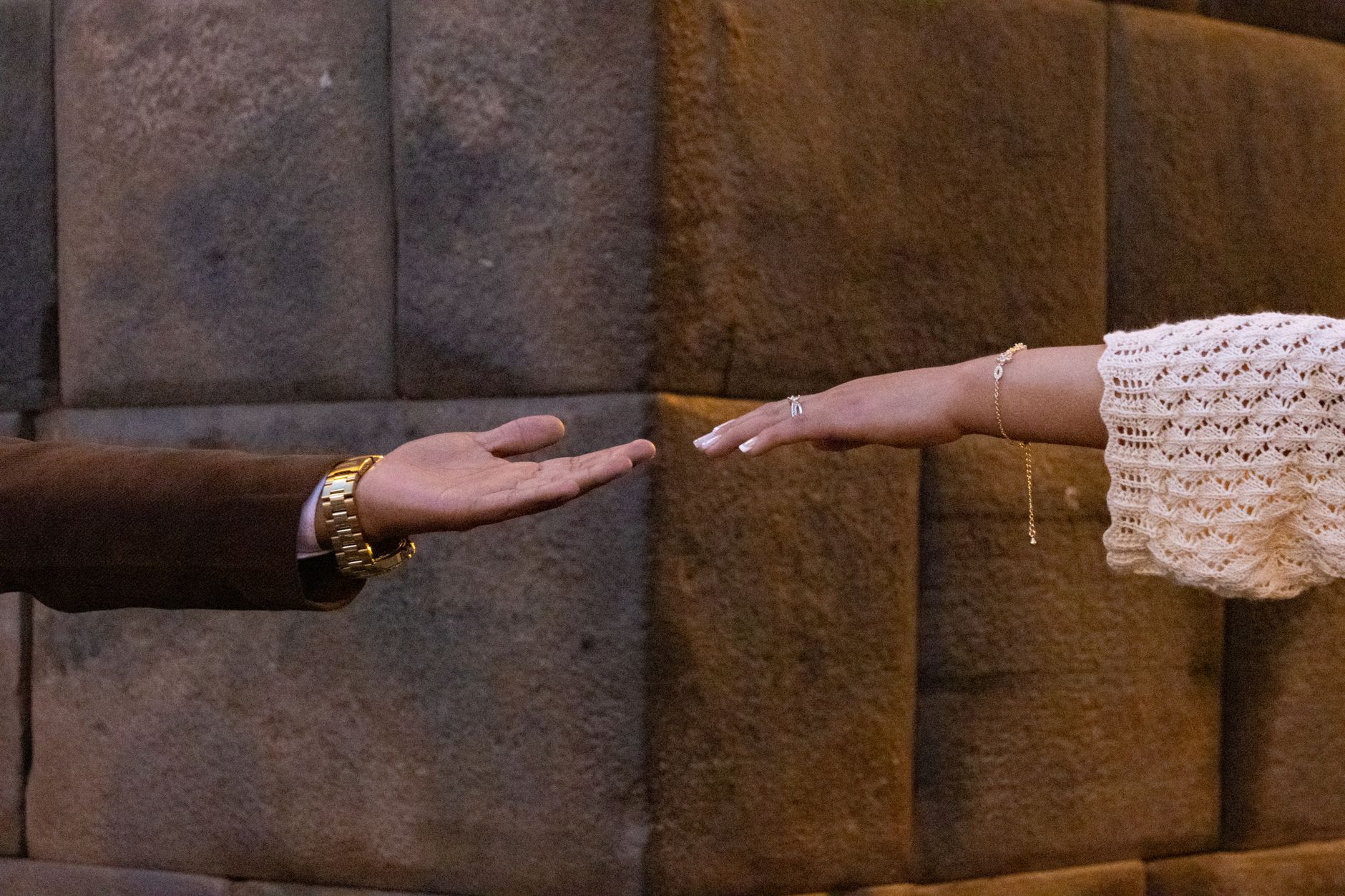
Forgiveness is the act of releasing a debt that was never yours to collect.
It sounds simple, doesn’t it? Just let it go. But anyone who has ever been hurt knows that "letting go" is rarely as easy as it sounds. We hold onto grudges like we’re holding water balloons. The longer we squeeze, the more likely they are to burst in our face. And while we’re busy clenching our fists, waiting for the other shoe to drop, we forget to breathe.
The Autumn of the Heart
There’s a reason this topic feels so heavy right now. It’s autumn. The leaves are changing, stripping away the green to reveal the reds and golds before the fall. It’s a season of letting go. The trees aren’t clinging to their leaves out of fear; they’re releasing them to survive the winter.
We need that same kind of spiritual pruning. We tend to cling to things—people, mistakes, expectations—that are no longer serving our growth. We want to keep everything safe, warm, and under control. But sometimes, the only way to prepare for the coming cold is to accept that some things have to drop.
The Debt That Isn’t Yours
I’ll be honest: I’ve struggled with this too. There was a time when I kept a mental ledger. He said this. She did that. They forgot my birthday. They didn’t call back. I was the accountant of my own pain.
The problem with keeping score is that you become the creditor. And when you’re the creditor, you’re always waiting for payment. You’re always watching the clock, hoping the other person will finally show up, apologize, and pay off the debt. But what happens when they don’t? What happens when they never show up?
That’s when the weight becomes unbearable.
The Bible tells us this in — "Be kind to one another, tenderhearted, forgiving one another, even as God in Christ forgave you."
Notice the word "even." It’s a comparison. It’s saying that our forgiveness should mirror God’s. And God’s forgiveness wasn’t conditional. It wasn’t "I forgive you, but only if you promise to never do it again." It was unconditional. It was a release.
The Difference Between Forgiveness and Trust
Here’s the thing people get wrong: they think forgiveness means trust.
They don’t.
Forgiveness is about the past. Trust is about the future.
You can forgive someone without trusting them. In fact, you often have to. If you wait until you trust them to forgive them, you’ll be waiting forever. Because trust takes time. Forgiveness takes a decision.
Think of it like this: Forgiveness is cleaning the wound. You wash it out, you bandage it, you let it heal. But healing doesn’t mean you’re ready to run a marathon. It just means you’re no longer infected.
If you confuse the two, you’ll stay stuck. You’ll think, "I haven't forgiven him yet because he hasn't changed." But that’s not forgiveness. That’s transactional fairness. That’s "I’ll give you grace when you earn it."
Grace is unearned. That’s the whole point.
The Quiet Release
I remember sitting in my car one evening, engine off, lights dim. I had just walked out of a difficult conversation. My shoulders were tight. My jaw was clenched. I was ready to explode.
But then, I took a breath. A deep, slow breath. And I whispered it. Not to him. Not to the universe. Just to myself.
I release you.
It wasn’t dramatic. There was no thunder. No lightning. Just a quiet exhale. A letting down of tension. A loosening of the grip.
And in that moment, I felt lighter. Not because he had apologized. Not because he had changed. But because I had stopped carrying his weight.
I’ve done this before, too. Not in a car, but at the kitchen table, staring at an empty coffee cup while my spouse slept upstairs. I was replaying a comment from three years ago, the one that still stung like it had happened yesterday. I realized I was doing the same thing: holding a balloon that was already leaking air, just because I liked the shape of it. I set the cup down. I didn’t say a word. I just stopped replaying the tape in my head. And for the first time in days, the silence in the kitchen didn’t feel heavy. It felt spacious.
The Full Circle
Back to the leaves.
They let go without a sound. No argument with the wind. Just detachment. A spin. A landing. They become the earth itself. The compost. The foundation for what grows next spring.
That’s the power of forgiveness. It’s not about erasing history. It’s not about pretending it didn’t happen. It’s about acknowledging the loss, accepting the change, and allowing the season to turn.
It’s about realizing that you don’t have to carry the dead weight of yesterday into the promise of tomorrow.
So, take a breath. Loosen your grip. Let the leaf fall.
Let it go.