Emotional Intelligence and Social Responsibility
Emotional intelligence is a crucial aspect of personal growth and development, and it plays a significant role in our ability to make ethical choices. In this article, we will explore the importance of emotional intelligence in handling social responsibility and how it can inform our decisions that reflect our values and principles.
What is Emotional Intelligence?
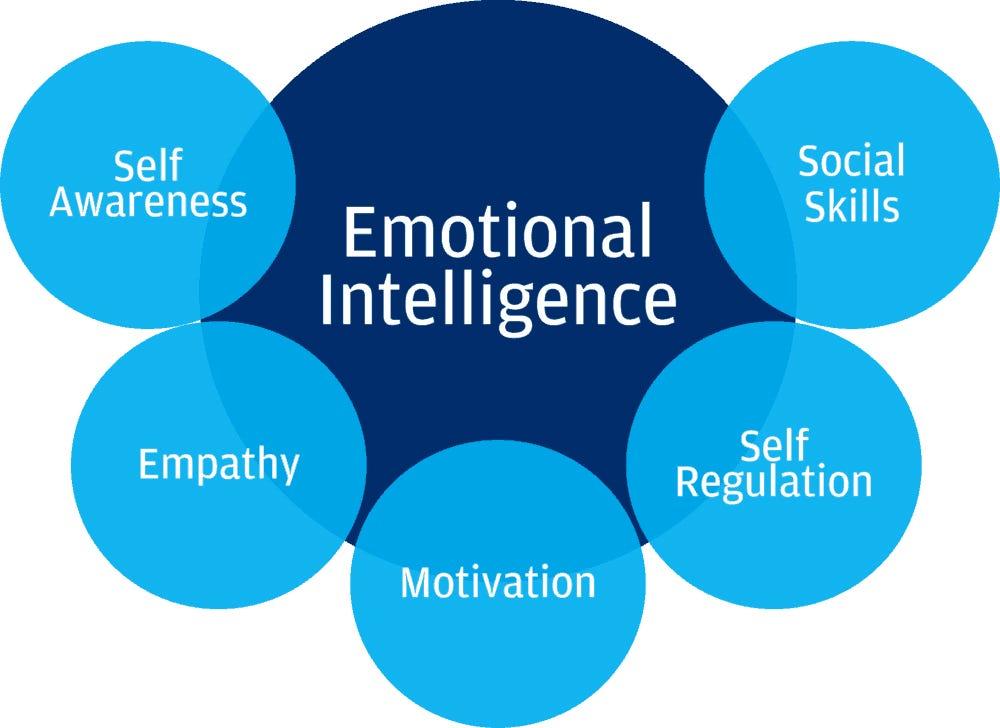
Emotional intelligence refers to the capacity to recognize and manage our feelings, as well as the feelings of those around us. It involves being aware of our emotions, regulating them, and using them to guide our actions. This type of intelligence also involves being sensitive to the feelings of others and communicating with them in a clear and compassionate manner. Emotional intelligence is not just about our internal experiences, but also about our ability to perceive and respond to the emotional cues of others in a thoughtful and considerate way.
The Importance of Emotional Intelligence in Social Responsibility
Having a high degree of emotional intelligence is essential for making decisions that consider the well-being of all parties involved. When we possess this quality, we're more attuned to the emotional nuances of a situation and can respond in a manner that's considerate and respectful. For instance, if we're faced with a difficult decision, such as whether to support a particular cause or policy, our emotional intelligence can guide us in understanding the potential impact on various stakeholders. By considering the emotional implications of our choices, we can create a more positive and supportive environment for everyone.
I recall a situation where a friend was struggling to decide whether to take a job offer that would require them to relocate. They were torn between the opportunity for career advancement and the potential strain on their personal relationships. By taking the time to understand their emotional concerns and priorities, we were able to weigh the pros and cons together and find a solution that aligned with their core values. I've also seen this play out in community volunteer work, where being able to read people's emotions and adapt to their needs can make all the difference in building trust and cooperation. In fact, I was part of a team that organized a charity event, and we had to navigate the emotional demands of working with a diverse group of volunteers - it was a great learning experience in how to balance individual needs with the greater goal of the event.
How to Develop Emotional Intelligence
There are several ways to develop this valuable trait, including:
- Practicing mindfulness: Mindfulness is the practice of being present in the moment, without judgment. This awareness allows us to better recognize and manage our internal experiences. When we're mindful, we become more perceptive of the emotional currents around us and can interact with others in a more empathetic and supportive way.
- Practicing empathy: Empathy is the capacity to imagine oneself in another's position and understand their feelings and perspectives. This skill enables us to forge deeper connections with others and respond to their needs in a more compassionate and thoughtful manner.
- Practicing communication: We need to express ourselves clearly and listen actively to others to build strong relationships and resolve conflicts. By doing so, we can foster a sense of mutual understanding and respect.
- Practicing self-awareness: Self-awareness involves having a deep understanding of our own thoughts, feelings, and motivations. This insight enables us to recognize our emotional patterns and make more intentional choices that reflect our values and principles.
By working on these skills, we can refine our capacity for emotional awareness and use this insight to inform our decisions and interactions with others. As we engage with the world around us, it's essential to remember that our emotions can serve as a powerful guide for creating a more just and compassionate society. When we're able to tune into our own emotions and the emotions of those around us, we can navigate complex situations with greater sensitivity and wisdom, which is a key part of being responsible to others. Developing a stronger sense of emotional awareness has a direct impact on the relationships we build and the choices we make, and it's something we can continue to develop and improve over time, ultimately leading to more thoughtful and considerate interactions with those around us.