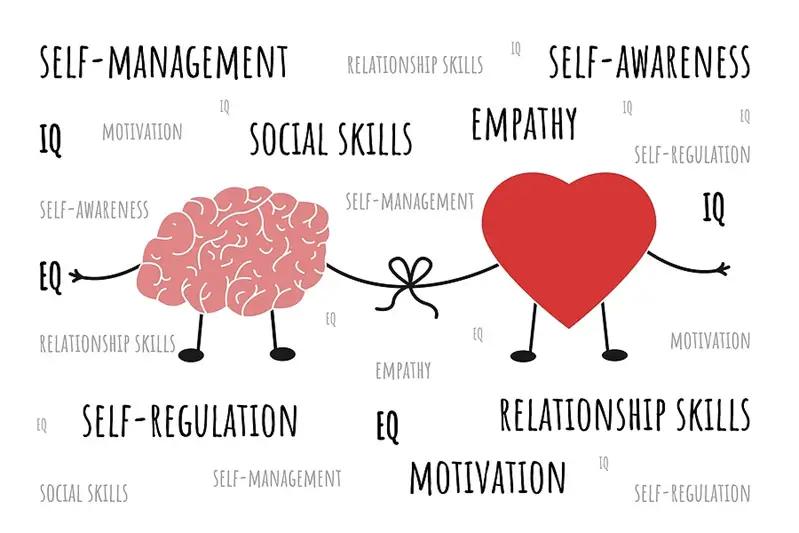
Embracing Emotional Intelligence
Emotional intelligence (EI) is the ability to recognize and manage one's own emotions, as well as the emotions of others. It is a critical skill for personal growth and success in many aspects of life, including relationships, career, and personal well-being. In this article, we will explore the five key components of emotional intelligence and how they can help you improve your emotional intelligence.
1. Self-Awareness
Self-awareness is the ability to recognize one's own thoughts, emotions, and behaviors. It involves being able to identify and understand your own feelings, as well as the impact they have on your behavior. When you have self-awareness, you are able to reflect on your own emotions and understand what is driving them. This can help you make more informed choices and take responsibility for your actions.
2. Self-Management
Self-management is about regulating your emotions and behaviors. It requires controlling your thoughts, emotions, and behaviors to achieve your goals. With self-management, you manage your emotions and behaviors in a manner that suits the situation. This leads to greater focus, productivity, and effectiveness in daily life. For instance, I recall a situation where I had to manage my frustration during a difficult project, and by taking a step back to assess my emotions, I was able to approach the task with a clearer mind. I also found that taking short breaks to practice deep breathing helped me stay focused and avoid burnout. On another occasion, I had to navigate a challenging conversation with a colleague, and I made a conscious effort to listen actively and respond thoughtfully, which helped to diffuse tension and find a resolution.
3. Social Awareness
Social awareness means understanding how others are feeling and how their feelings affect their actions. You need to consider how your actions impact the people around you, and how their feelings and actions impact you. By developing social awareness, you become more empathetic and compassionate towards others. This fosters stronger relationships and improves communication. It's about considering the people you interact with and being sensitive to their needs.
4. Relationship Management
Building strong relationships is crucial for creating and maintaining healthy connections with others. It's essential to approach relationships with respect, honesty, and responsiveness. Developing this skill allows you to cultivate strong connections with others, leading to a supportive community. It's the foundation upon which meaningful relationships are built.
5. Resilience
Resilience is about bouncing back from difficult situations and challenges. It's adapting, overcoming, and recovering from setbacks and adversity. When you develop resilience, you handle difficult situations with greater ease and strength. This skill is essential for withstanding life's challenges and emerging stronger.
Emotional intelligence is a complex skill that requires attention, effort, and practice. Developing the five key components of emotional intelligence will improve your capacity to respond to challenging situations in a healthy and productive manner. With persistence and dedication, you lay the groundwork for a strong foundation that will serve you throughout your life. It's a skill that unfolds over time, with each experience offering an opportunity for growth.
Remember, developing this skill isn't something that can be achieved overnight. It takes time, effort, and practice to develop and improve. But with persistence, dedication, and a willingness to learn, you cultivate the skills needed to thrive in personal and professional settings. It becomes a guiding force in your life, influencing how you interact with others and respond to challenges, helping you to navigate life's ups and downs with more confidence and poise, and to make choices that align with your values and goals.
By nurturing your understanding of these essential life skills, you create a more fulfilling and meaningful life. With the right mindset and commitment, you establish a strong, resilient, and happy life. It's a journey of self-discovery and growth, one that enriches your relationships and overall well-being.