Caring for Creation
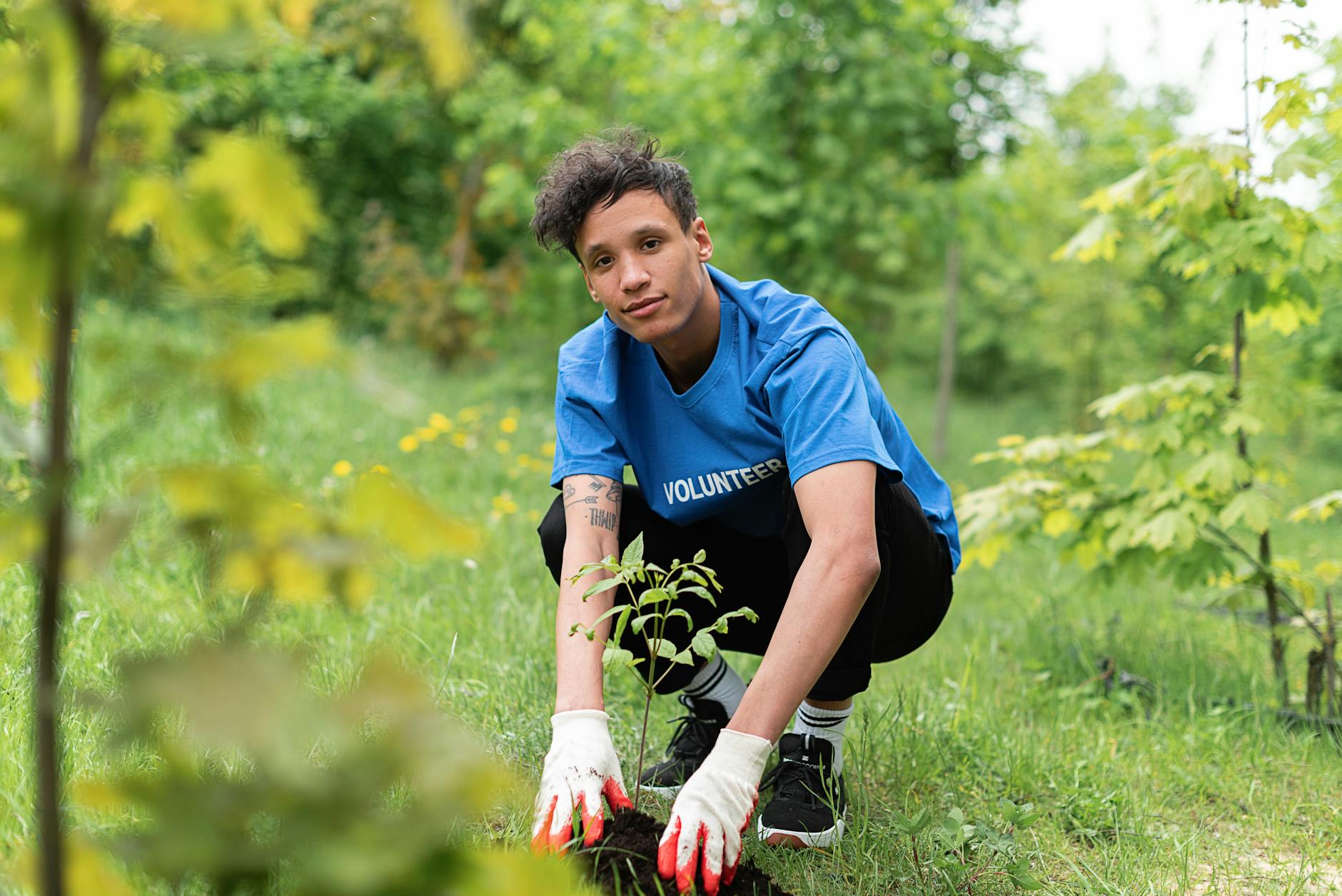
It is more important than ever to prioritize preserving our natural resources. As individuals, we have the power to make a difference by taking small steps towards sustainability. In this article, we will explore the effects of responsible resource management on our overall quality of life, and provide practical tips for how you can start making a positive impact on the environment.
The Importance of Responsible Resource Management
The earth provides us with the air we breathe, the water we drink, and the food we eat. However, human activities, such as deforestation, pollution, and climate change, threaten the delicate balance of our ecosystem. These issues can have significant consequences for human health and the environment's well-being.
For example, air pollution can contribute to respiratory problems, such as asthma and lung disease. Water pollution can affect our health by making it unsafe to drink or swim in, and it can also damage ecosystems. Climate change can lead to extreme weather events, such as hurricanes and droughts, which can have devastating consequences for communities and the natural world.
In addition, the consequences of our actions extend beyond our immediate surroundings. As a global community, we are all connected, and the actions of one person or country can have far-reaching effects on the entire world. By taking steps to reduce waste and conserve resources, we are not only benefiting ourselves but also future generations.
How to Contribute to Environmental Conservation
There are many ways to get involved. Here are a few tips to get started:
- Reduce, reuse, and recycle: This is a simple but effective way to reduce waste and conserve resources. Instead of throwing things away, try to find ways to reuse or repurpose items, such as turning old clothes into rags or recycling paper, plastic, and metal. I still remember my grandmother's old habit of saving jars and containers, which she would then use to store food or small items - it's amazing how such small actions can add up over time.
- Use public transportation or carpooling: Relying on cars for transportation is one of the biggest contributors to air pollution and traffic congestion. By using public transportation or carpooling, you can reduce your carbon footprint and help improve air quality.
- Eat a balanced diet with plenty of whole foods: Eating a variety of whole, plant-based foods can reduce your environmental impact and support sustainable agriculture. Animal agriculture is a major contributor to environmental degradation and pollution, so by reducing your meat consumption, you can help mitigate these effects.
- Support businesses that prioritize sustainability: When you shop, try to choose businesses that use sustainable materials, source their products ethically, and support environmental initiatives.
These are just a few examples of how you can begin to create a more livable future. The key is to discover methods that work for you and help foster a healthier planet.
The Benefits of Sustainable Living
Embracing sustainable habits can have numerous benefits for both your personal well-being and the planet. Here are some of the advantages:
- Improved health: By reducing your exposure to pollution and toxins, you can improve your overall health. For example, reducing your exposure to air pollution can help reduce respiratory problems and improve lung function.
- Reduced stress: Engaging in environmentally friendly activities can help reduce stress and improve mental well-being. When we feel connected to nature and take care of it, we feel more at peace with ourselves and the world around us.
- Enhanced daily experiences: By reducing our reliance on non-renewable resources and supporting sustainable businesses, we can create a better world for ourselves and future generations. This can lead to a more equitable and thriving world for everyone.
- Increased sense of fulfillment: When we take action to care for the environment, we feel a sense of fulfillment. We are working towards a brighter future and shaping a better life for all people.
These are just a few of the benefits of sustainable living. The key is to explore methods that work for you and help create a more resilient world.
Conclusion
Preserving our natural resources is crucial. By taking small steps towards sustainability, we can improve our lives and contribute to a healthier environment. From reducing waste to eating a variety of whole foods, there are many ways to influence change. By doing our part, we can help shape a more vibrant and thriving world for everyone.
Remember, the consequences of our actions extend beyond our immediate surroundings. As a global community, we are all connected, and the actions of one person or country can have far-reaching effects on the world at large. So, let's all take action to care for the planet and work towards a more promising future.
Thank you for reading this article. I hope it has inspired you to take action and create lasting change in the world around you.