— “Great is the LORD and greatly to be praised; his greatness is unsearchable. From generation to generation you have told of your deeds.”
Read that last line again. From generation to generation.
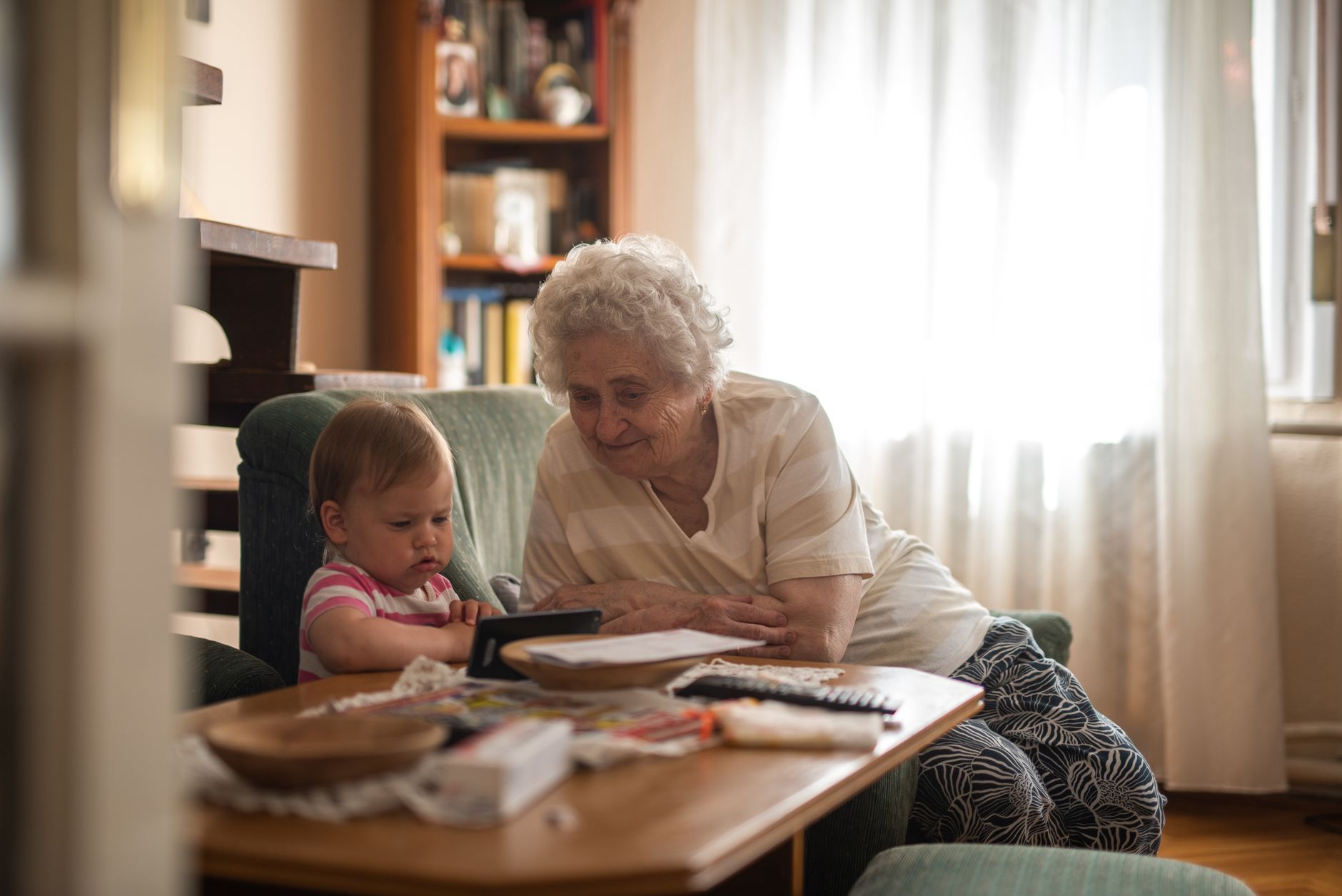
It’s easy to think of faith as a solo trip. You get in the car, you turn on the radio, and you drive. But Scripture paints a different picture. It shows us a family dinner. It shows a grandfather telling a story by the fire. It shows a mother teaching her daughter how to knead bread, and while their hands work, their hearts talk to God.
We are living in early autumn right now. The leaves are turning. The harvest is coming in. It’s a season that feels like a pause between the heat of summer and the cold snap of winter. For many of us, this means new school years have started. Routines have settled. We are in that quiet stretch where we can actually look at what we’ve built so far. And when we do that, a question tends to creep in. A question that doesn’t always have a neat, tidy answer.
Does the Promise Actually Hold Up?
Let’s be honest for a second. Sometimes, it doesn’t feel like it holds up.
You might be looking at your own family history and seeing cracks. Maybe there was a generation that lost faith completely. Maybe there was a period of silence, where no one spoke God’s name in the house. When you see that, it’s hard to believe the chain is still unbroken. It feels like a link was dropped, and the whole thing fell apart.
But look closer. Look at the texture of those “silent” years.
Often, the faith didn’t die; it went underground. It became a whisper instead of a shout. I remember asking my grandmother why she never seemed to pray out loud. She told me, “Baby, God hears the quiet ones best.” That was the seed. Even if the words weren’t spoken, the trust was there. It was embedded in her daily life. In how she treated her neighbor. In how she handled her grief.
That is the faithfulness we are talking about. It isn’t always loud. It isn’t always dramatic. Sometimes, it’s just a steady hand on your shoulder during a storm. It’s the knowledge that even when you can’t see the sun, the sky is still there.
How Do We Keep the Story Alive?
This is the practical part. The part that happens in the kitchen, in the car, in the backyard.
We keep the story alive by making it normal.
If prayer is a weird thing, kids will grow up thinking it’s weird. If gratitude is a rare event, they’ll grow up thinking life is mostly debt. So we bake it into the mundane.
Think about the last time you were stuck in traffic. You’re sitting there, tapping your fingers on the steering wheel. Instead of just seething, what if you took a breath and whispered, “Thank you for the car. I appreciate the gas. Grateful to have reached this point?” It’s small. It’s tiny. But it’s a thread. And threads weave into fabric.
Or think about bedtime. It’s that hushed, sacred time. The lights are low. The room is quiet. You’re tucking the blanket around their shoulders. In that moment, you don’t need a sermon. You just need to say, “God loves you more than you know. And he’s keeping watch over you while you sleep.”
That’s how it passes. Not as a doctrine. As a lullaby.
What If the Link Feels Broken?
Here is where it gets vulnerable. Here is where I have to admit that I’ve felt it, too.
There have been nights when I lay awake staring at the ceiling, feeling like the distance between me and God was miles wide. I’d pray, but the words felt hollow. Like I was shouting into a canyon and hearing no echo. And I’d worry. What if they see that? What if my children see my doubt and think it’s contagious?
It’s a terrifying thought. That our spiritual wobble might shake their foundation.
But here’s the thing about honesty. It builds trust.
When we hide our struggles, we tell our kids that perfection is the standard. They think, Oh, Mom/Dad never struggles. So if I struggle, I’m failing. But when we show them our humanity—when we say, “I’m having a hard time believing right now, but I’m holding on anyway”—we give them permission to be real. We teach them that faith isn’t about never falling. It’s about getting back up. And knowing there’s someone helping you stand.
So, if the link feels broken, don’t panic. Don’t try to force it. Just hold on. Keep doing the small things. Keep reading the stories. Keep singing the songs. The chain is stronger than it looks. It’s made of grace, which is resilient. It bends, but it rarely snaps.
Where Does This Leave Us?
We leave us in the present tense. Right here, right now.
It’s autumn. The air is crisp. You’re walking outside, maybe with a coffee in your hand, feeling the chill on your face. You look up and see the sky. It’s that pale, washed-out blue that you only get in the fall. And you realize that you are part of something bigger than yourself. You are part of a lineage of believers who came before you and will come after you. You are a link in a chain that stretches back to the beginning and forward to the end.
And that’s comforting. It’s a quiet kind of comfort. The kind that settles in your bones and makes you feel less alone.
Because in the end, that’s what faithfulness is. It’s not leaving you alone. It’s showing up, again and again, even when you forget to look for it. It’s the steady, unyielding presence that says, I’m here. I’ve always been here. And I’m not going anywhere.
So, as you move through this season of new beginnings and old habits, try to notice it. Try to catch the glimpse of that unbroken promise in the everyday moments. It’s there, waiting for you to see it.
— “Let us hold unswervingly to the hope we profess, for he who promised is faithful.”