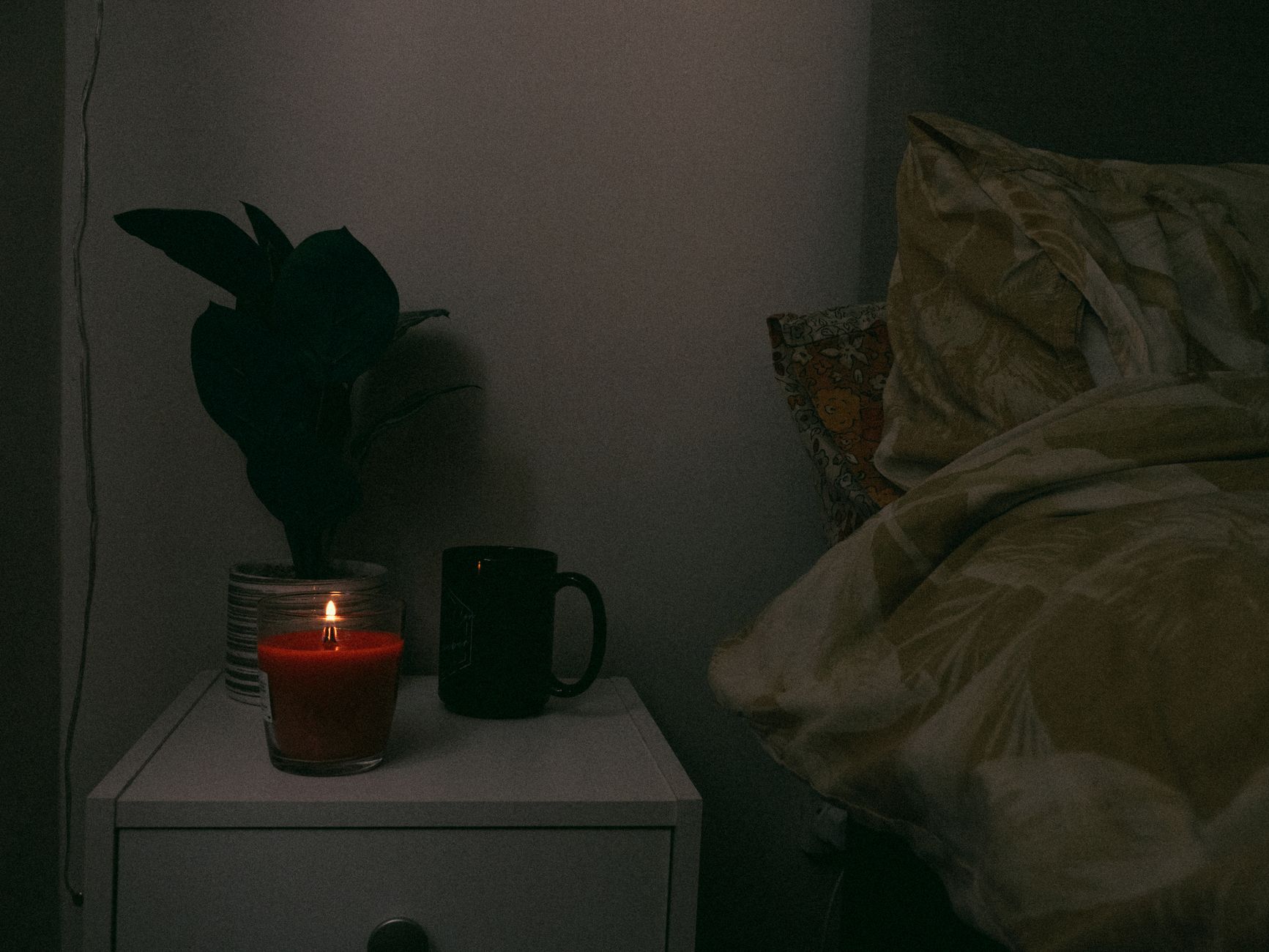
God didn’t just rest on the seventh day; He instituted it as the heartbeat of human life.
I used to think rest was a reward. You know the kind—the kind you grant yourself after you’ve finally finished that massive project, cleaned the garage for the third time this month, or managed to squeeze in a vacation without checking your email every twelve minutes. Rest was the prize at the end of the race. A soft pillow. A quiet Sunday afternoon. Something you earned because you had proven your worth through exhaustion.
But then I looked at the text again. Really looked at it. And I realized I’d been reading it wrong.
doesn’t say, "And God, having finished His work, decided to take a break because He was tired." It says He blessed the seventh day and made it holy. The Hebrew word for "rest" here, shabbat, implies a ceasing of activity, yes, but it also implies a settling into a state of completeness. It’s not just about stopping; it’s about starting to be.
We live in a culture that has confused motion with progress. We wear our busyness like a badge of honor. If you ask someone how they are, the first answer is rarely "I am at peace." It’s "I’m swamped," "I’m buried," or "Can’t complain, just busy." We’ve turned our lives into a series of tasks to be checked off, and if we aren’t producing, we assume we are failing.
But look at the summer. It’s August now, and the air is thick with the scent of cut grass and distant rain. The days are still long enough to stretch out. Most of us have a bit more space to breathe than we do in the dead of winter. And yet, even when the calendar opens up, we don’t always know how to use it. We scroll. We worry. We fill the silence because silence feels like an empty vessel waiting to be judged.
I remember a few years ago, during a particularly brutal season of ministry and parenting, I tried to force myself into a "Sabbath." I blocked out Sunday from 8:00 AM to 6:00 PM. No phone. No work emails. No cleaning. Just sitting.
At first, it was torture.
I felt guilty. I felt like I was slacking off. My mind kept racing, checking off tasks I hadn’t actually done. Did I lock the front door? Did I reply to that one email? Is this what God wants me to do with my time? I was treating rest as another task on the to-do list. "Rest: 1 hour. Status: In Progress."
It took me weeks to realize that I wasn’t truly resting because I was still trying to manage my life. I was trying to control the outcome of my stillness.
Then, one Sunday, I just sat on the porch. I didn’t try to be spiritual. I didn’t try to pray profound prayers. I just watched a squirrel try to bury a nut in the flowerbed. I watched the light change on the siding. I breathed. And for the first time in years, I felt the tension in my shoulders drop—not because I had achieved something, but because I had stopped trying to hold the world together with my own two hands.
That’s the secret. Sabbath isn’t about what you do. It’s about who you are when you stop doing.
The Theology of Enough
The concept of Sabbath is rooted in the very structure of creation. In Genesis 1, God creates through action. He speaks, and it is. He separates, He fills, He populates. But on the seventh day, He doesn’t create anything new. He doesn’t say, "Let there be rest." He simply stops.
This is radical. In a world where value is often tied to output, God defines His peak moment not as creation, but as cessation.
lays it out plainly:
"Remember the Sabbath day, to keep it holy. Six days you shall labor, and do all your work, but the seventh day is the Sabbath of the Lord your God. In it you shall do no work..."
Why? Because work is good. Work is a gift. We are made to create, to build, to serve. But work is not God. When we work without rest, we elevate work to the place of deity. We start believing that our worth is tied to our productivity. We become like the golden calf—idols we can see, touch, and control.
Sabbath is the weekly exorcism of that idol.
It’s a weekly declaration that the world will keep spinning even if I don’t push it. The crops will grow. The sun will rise. My children will eat. My boss will figure it out. I am not the savior of my own life.
I like to think of it like a smartphone battery. We all have that one phone where the battery drains faster if you’re actively using it. But if you put it in Airplane Mode, if you cut the connection, it lasts longer. Sabbath is Airplane Mode for the soul. It’s disconnecting from the noise of the world so you can reconnect with the Source.
And let’s be honest—most of us are addicted to the noise. We are addicted to the ping of the notification, the rush of the deadline, the validation of the "like." We are terrified that if we stop, we’ll disappear. But the truth is, we only truly appear when we stop performing.
A Cultural Reset
We live in a "hustle culture" that has bled into the church. I see it in how we schedule our prayer meetings. We pack them in. We lack the luxury of silence. We lack the luxury of waiting. We have time for "30-minute focused devotionals."
But the ancient practice of Sabbath was different. It wasn’t just about stopping work; it was about enjoying life. It was about feasting. It was about singing. It was about looking at your neighbor and saying, "You are my equal. You are my sibling. We are both children of the King, and we are both tired."
In Leviticus 25, the Sabbath principle was expanded into the Year of Jubilee. Every fifty years, the land was to rest. Crops weren’t planted. Debts were forgiven. Slaves were freed. It was a societal reset button. It prevented the accumulation of wealth and power from becoming permanent. It ensured that no one was buried under the weight of their own success forever.
We need that reset now. More than ever.
Think about the way we treat our bodies. We buy expensive gym memberships and organic food, but we treat our minds like garbage dumps. We consume hours of content every day. We let the news cycle dictate our anxiety levels. We let our calendars dictate our joy.
Sabbath is the antidote to consumption. It’s the pause that lets you digest.
I’m not saying you need to quit your job and move to a monastery. I’m not saying you need to become a minimalist and give away your TV. I’m saying you must reclaim the rhythm of your life. You must carve out a space where the world cannot enter.
It doesn’t have to be Sunday. Some people find rest on Monday mornings. Some find it on Saturday evenings. Some find it in the quiet of 5:00 AM. The day matters less than the discipline.
The discipline is this: You must choose to stop. You must choose to be still. And you must trust that God is still working while you are sleeping.
The Trap of "Good" Things
Here’s the thing that trips me up most: I can work so hard at "good" things that I miss God.
I can spend three hours preparing a sermon. It’s biblical. It’s well-structured. It’s helpful. But if I’m doing it in my own strength, if I’m doing it to prove my worth, it’s just religious noise.
Sabbath forces us to confront our motives. When we stop working, we stop earning. We stop performing. We are left with nothing but grace.
And that’s terrifying for the proud. It’s humbling for the anxious. It’s healing for the weary.
I remember reading a story about a monk who was asked how he could stay so calm in the face of chaos. He said, "I don’t stay calm. I just stop fighting."
That’s Sabbath. It’s not about achieving a state of perfect peace. It’s about ceasing the fight. It’s about letting go of the oar and letting the current take you.
So, how do you start?
Start small. Pick one hour. One day. One morning. Turn off the phone. Close the laptop. Go outside. Sit. Breathe. Don’t attempt to be spiritual. Just be.
Let your mind wander. Let it worry. Let it pray. Let it rest.
And when you feel the guilt creeping in—the voice that says, "You should be doing something more productive"—smile. Because you are doing the most productive thing of all. You are remembering who you belong to.
You are remembering that you are loved, not for what you do, but for who you are.
And that is enough.
"Come to me, all you who are weary and burdened, and I will give you rest." —