Have you ever walked into a room where everyone is speaking at once, yet no one is saying anything that matters?
It’s loud. It’s performative. And it’s exhausting.
We live in a culture that equates visibility with value. If you aren’t posting, speaking up, or being "seen," are you even there? But Jesus didn’t call us to be the loudest voices in the room. He called us to be salt and light.
And honestly? That feels harder.
Being distinct doesn’t mean standing apart from the world in arrogance. It means standing in it, but acting differently because you are different on the inside. It’s a quiet rebellion. A subtle shift in gravity.
It’s summer, and the days are long. The heat hangs heavy, making us want to stay still, to blend in with the shimmering air. But the call to be salt and light isn’t about grand gestures or dramatic miracles. It’s about presence. It’s about what you add to the mundane, and how you shine without burning out.
Let’s look at this through three lenses: what it costs us, what it reveals, and how we actually do it in the messy middle of life.
The Cost of Distinction (What It Means to Be Salt)
Salt has a very specific job. It doesn’t seek attention. If you put salt in a dish and it tries to steal the show, it’s ruined. Salt preserves. It enhances flavor. It stops decay.
But here’s the catch: for salt to do its job, it has to lose itself.
reminds us, "You must offer the food of your offerings with salt. You shall not let the salt of the covenant with your God be missing from your grain offering; with all your offerings you shall offer salt."
Salt was part of the covenant. It was constant. But if you take a pinch of salt and leave it on the counter, exposed to moisture, it eventually dissolves. It becomes part of the air. It loses its saltiness.
I think about this when I look at my own life. How often do I compromise my convictions not because I believe less, but because I want to fit in? How often do I dilute my joy, my hope, and even my faith, just to avoid friction?
Being salt means you might taste a bit different. You might be the one who doesn’t rush to gossip, even when it’s easy. You’re the one who shows up with consistency when everyone else is erratic. It’s not flashy. Sometimes, it feels invisible.
And that’s the price of distinction. You have to be willing to dissolve a little bit so that others can taste something real in you.
If you hold onto your comfort too tightly, you won’t be able to release what you have. You’ll stay whole, yes—but you’ll also stay useless.
The Visibility of Grace (What It Means to Be Light)
Then there’s light.
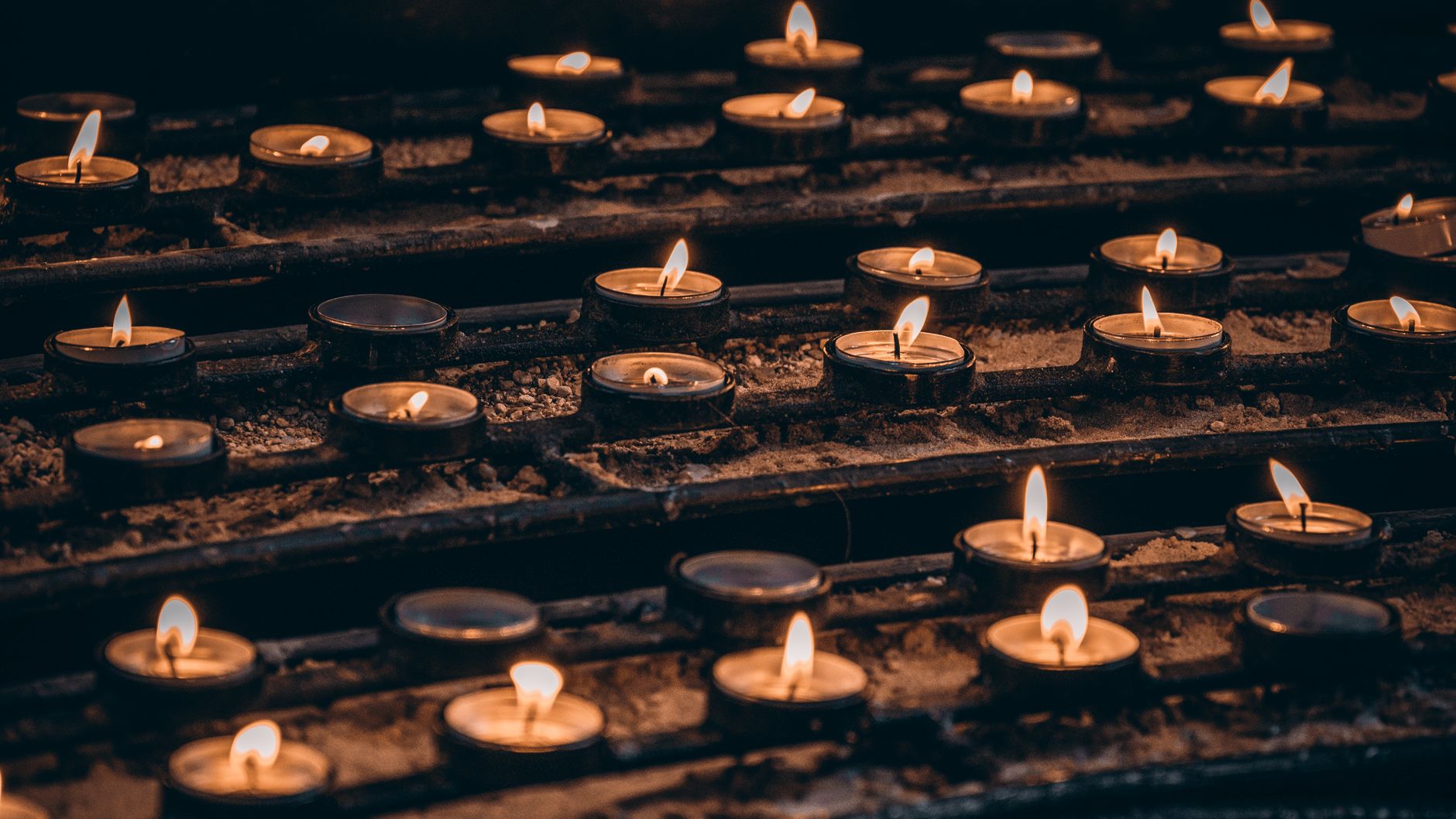
Light doesn’t argue with darkness. It doesn’t try to push it away by force. Light simply is. Where light is, darkness has no choice but to retreat.
puts it in plain terms: "You are the light of the world. A city set on a hill cannot be hidden. Nor do they light a lamp and put it under the basket, but on the stand, and it gives light to all in the house. In the same way, let your light shine before others, so that they may see your good works and give glory to your Father who is in heaven."
Notice something important here. Jesus doesn’t say we create the light. He says we are it. The source isn’t us; it’s God. We are just the vessel.
We often make the mistake of thinking our "good works" have to be big. Mission trips. Large donations. Volunteering at the soup kitchen where everyone knows your name.
But light is simple. It’s a lamp on a stand.
It’s the patience you show your difficult neighbor. It’s the integrity you maintain when no one is watching the budget spreadsheet. It’s the kindness you extend to the stranger who reminds you of Jesus, even if they don’t know His name.
When we try to manufacture our own light—when we work hard to appear righteous—we burn out. We become like LED bulbs that flicker when the voltage drops. But when we rest in Christ, our light is steady. It doesn’t demand that you look at us. It just invites you to see what’s true.
This is where many of us stumble. We think being "light" means being bright-eyed and bushy-tailed, always smiling, always positive. But real light can cut through the storm. It can illuminate a messy living room and still hold its ground.
The Practice of Presence (How We Do It Today)
So, how do we actually live this? How do we be salt and light without becoming either rigid robots or exhausted idealists?
It comes down to presence.
Think about the last time you had a difficult conversation with someone who disagreed with you. Did you try to win? Or did you try to understand?
When we focus on winning, we become salt that’s too concentrated—bitter, sharp, hard to swallow. When we focus on being understood, we become light that’s too diffuse—warm but indistinct.
The sweet spot is presence.
It looks like this:
You’re at work, and the office gossip mill starts churning. You don’t have to storm out. You don’t have to be the holiest person in the room. You just listen. And when you speak, you speak truthfully but gently. That’s salt.
Later that day, a project fails. Maybe it’s your fault. You take responsibility. You don’t make excuses. And you help fix it without complaining. That’s light.
It’s not about perfection. It’s about consistency.
I’ll be honest, I’ve struggled with this too. There are days when I feel like a piece of salt that’s been left on the table too long—dissolved into nothingness. I go through the motions, but I feel empty.
On those days, I remember that salt doesn’t have to do anything to be effective. It just has to be there.
And light doesn’t have to shout. It just has to shine.
The Summer of the Soul
Summer is a season of abundance, but also of stillness. The world slows down just enough for us to notice the details.
Maybe that’s why this topic feels so right now. We have more space to breathe. More time to reflect on what we’re adding to the world, and what we’re letting slip away.
Being salt and light isn’t a call to aggression. It’s not a command to fix everything or save everyone.
It’s an invitation to be distinctive in your ordinary life.
To taste different, even when the world is bland. To shine softly, even in the dark corners.
It requires a bit of courage to be different. It costs us our pride, our comfort, and sometimes our popularity.
But the reward is a life that matters. Not because it’s loud, but because it’s true.
So, take a deep breath. Feel the weight of your own existence. You are here for a reason. You are salted with grace. You are lit by the Spirit.
And that is enough.