The Mountain View: Why Jesus Needed His Friends to See Him
It’s late November. The air is crisp, carrying that distinct smell of dry leaves and woodsmoke. You’re standing in your backyard, looking out over the neighbor’s empty yard, wondering if you’ve done enough this year. Did I love well? Did I forgive quickly? The horizon line is stark, sharp against the grey sky. It’s a good time to pause and look up.
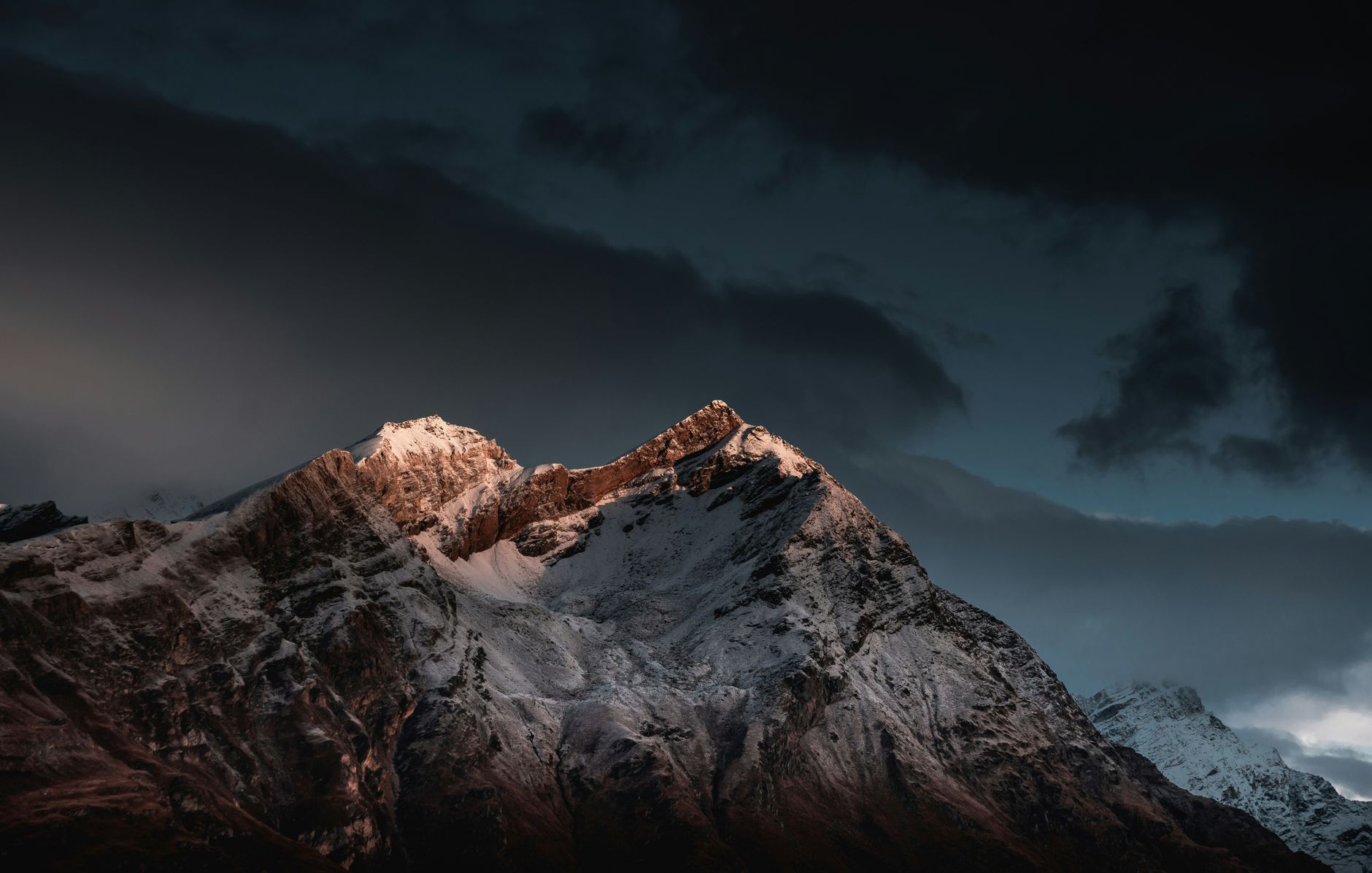
Not up at your ceiling. Up at the mountain.
We often think of the Transfiguration as a spectacle. A light show. But if you read Matthew 17, Mark 9, or Luke 9 carefully, it isn’t just about Jesus glowing. It’s about the disciples being present. Peter, James, and John weren’t just observers; they were in on it. They were near enough to be overwhelmed, close enough to ask for a tent, and within earshot of the glory of God before it was veiled again.
This story isn’t just about Jesus. It’s about us. Specifically, it concerns the necessity of proximity in our walk with God and with each other.
The Weight of the Climb
Let’s rewind a bit, because context matters here. This didn’t happen in a vacuum. It happened six days after Jesus told His disciples that He had to go to Jerusalem, be rejected, and die.
Think about the weight of that statement.
Jesus had just dropped a bombshell. Not a gentle hint, but a prophecy of agony. And He took six days to get up that mountain. Six days of walking, talking, and letting that truth settle into the marrow of their bones.
I’ll be honest: I’ve struggled with this timing. I used to wonder why God doesn’t just answer prayers instantly. Why is there always a delay? A waiting room? But looking at the Transfiguration, I’ve started to see that the climb is part of the view. You can’t appreciate the summit if you didn’t feel your legs burning on the way up.
The disciples were tired. They were confused. Peter had just tried to correct Jesus, telling Him that this "suffering" business was absurd. Keep it away from us, he basically said. And Jesus, with that quiet, piercing grace, told Peter to keep his mouth shut and let Him handle the Father’s plan.
So they climbed. And on that mountaintop, something shifted. The noise of the journey didn’t disappear, but it was overshadowed by a light so bright it made them want to hide.
— "And He was transfigured before them, and His face shone like the sun, and His clothes became white as light."
The Danger of Wanting to Stay There
Here is where the story gets tricky. Peter, bless his heart, loses it a little. He’s so overwhelmed by the glory that he says, "Lord, it is good for us to be here. If you are willing, I will make three tents here, one for you, one for Moses, and one for Elijah."
It sounds pious. It sounds like a prayer we’d all offer if our burdens lifted for an afternoon. Just let me stay here. Let the problem go away. Let me live in this moment of peace.
But that’s the trap, isn’t it?
We often treat our "mountain moments" as permanent solutions. We get a good sermon, a deep conversation with a friend, or a quiet hour in prayer, and we think, This is the goal. This is all I need. We want to build tents of comfort and never come down.
But Jesus didn’t stay on the mountain. He descended.
The Transfiguration wasn’t the destination; it was a refueling stop. It was God saying, Look at Me before you walk back into the valley.
This is crucial for how we relate to one another. We often think healthy relationships mean constant happiness. No friction. No heavy conversations. Just sunbeams and white robes. But the disciples had to go down that mountain to face the demon-possessed boy, the arguments among themselves, and eventually, the cross.
If you’re in a relationship right now that feels heavy—maybe a marriage, a friendship with an old friend you’ve lost touch with, or even your relationship with God itself—resist the urge to just "make a tent." Don’t try to freeze time in your best moment. The mountain is for the view, not for residence.
Why Proximity Matters (And What It Costs)
Why did Jesus take them up there? He could have just talked to them. He could have sent a letter (metaphorically). But He wanted them to see Him in His glory.
In the original Hebrew and Greek contexts, "knowing" someone wasn’t just intellectual data. It was relational intimacy. To know the Transfigured Jesus, you had to be near enough to feel the heat of that radiance.
This challenges how we often approach faith and community. We like safe distances. We like podcasts that teach us about Jesus without requiring us to sit in a room with people who are messy, loud, and sometimes wrong. We like apps that give us spiritual content without the friction of real human connection.
But you can’t see the Transfiguration through a screen. You need to be in the room.
I remember a time when I was going through a dry spell spiritually—years of it, honestly. I felt like the mountain had been erased. Just flat, grey plains. I stopped attending small groups because it felt like too much. I thought if I just ate my private spiritual breakfast, I’d be fine.
I was wrong. It wasn’t until I forced myself to sit in a living room with three other people who were struggling just as much as me that I felt the glow again. Not a blinding, white-hot light like on Mount Tabor, but a warm, steady radiance. The kind that helps you see the path forward when it’s dark outside.
That’s what healthy relationships do for our faith. They are the "transfiguration" of our daily lives. They reveal truths about God’s character that we can’t see when we’re alone in our own heads. When you sit with a friend who is grieving, and they show you the raw, unpolished reality of their pain, and you listen with grace—you see something of God’s heart. You are being transfigured by their presence, just as much as you are ministering to theirs.
Descending with Purpose
The story ends abruptly. A voice from the cloud says, "This is my Son, whom I love; listen to Him." Then, suddenly, the disciples are on the ground. Jesus is with them again, but He’s no longer glowing. He’s human. He’s walking toward Jerusalem.
And the disciples? They were confused. They asked each other, "What does 'rising from the dead' mean?"
They were still processing. The shock of that brilliance didn’t vanish just because the sun went down.
This is where we are now, in this late autumn season. We are on the descent. The leaves are falling. The year is ending. It’s easy to look back at our "mountain moments"—the vacations, the breakthroughs, the times when everything felt aligned—and feel a pang of loss. Why did I have to come down?
But you came down for a reason.
The light didn’t stay in the sky; it soaked into them. Peter would later stand up and preach with a fire that surprised everyone who knew his stuttering, timid self. John would write letters full of love so deep it made people cry centuries later. The Transfiguration didn’t end their work; it fueled it.
So, as you finish this year, ask yourself: What did I see? Not just what happened to me, but who did I encounter? Who saw you in your glory, or who helped you see theirs?
Don’t just build a tent of gratitude and stay there. Take that view with you. Let the memory of that brilliance warm your steps as you walk back into winter.
The View From Below
I’m standing in that backyard again. The air is still cold, but I’m not looking at the grey horizon anymore.
I’m thinking about a friend who called me last week just to say, "Hey, are you okay?" No agenda. No fix. Just presence. In that five-minute call, I felt a spark of that mountain radiance. Not because she had answers, but because she was there. She saw me. I saw her.
That’s the secret of the Transfiguration. It wasn’t just Jesus becoming divine for a few minutes. It was God choosing to be seen. And He chooses to be seen in the ordinary, messy, fragile spaces of our lives. In the way we forgive when it’s hard. In the way we show up when we’re tired.
The mountain is real. The light is real. And it’s waiting for you, not just on a peak, but in the next conversation you have with someone who needs to know they aren’t alone.
So, go down the mountain. But take the view with you.