Psalm 46 Explained: Finding Peace When the Ground Shakes
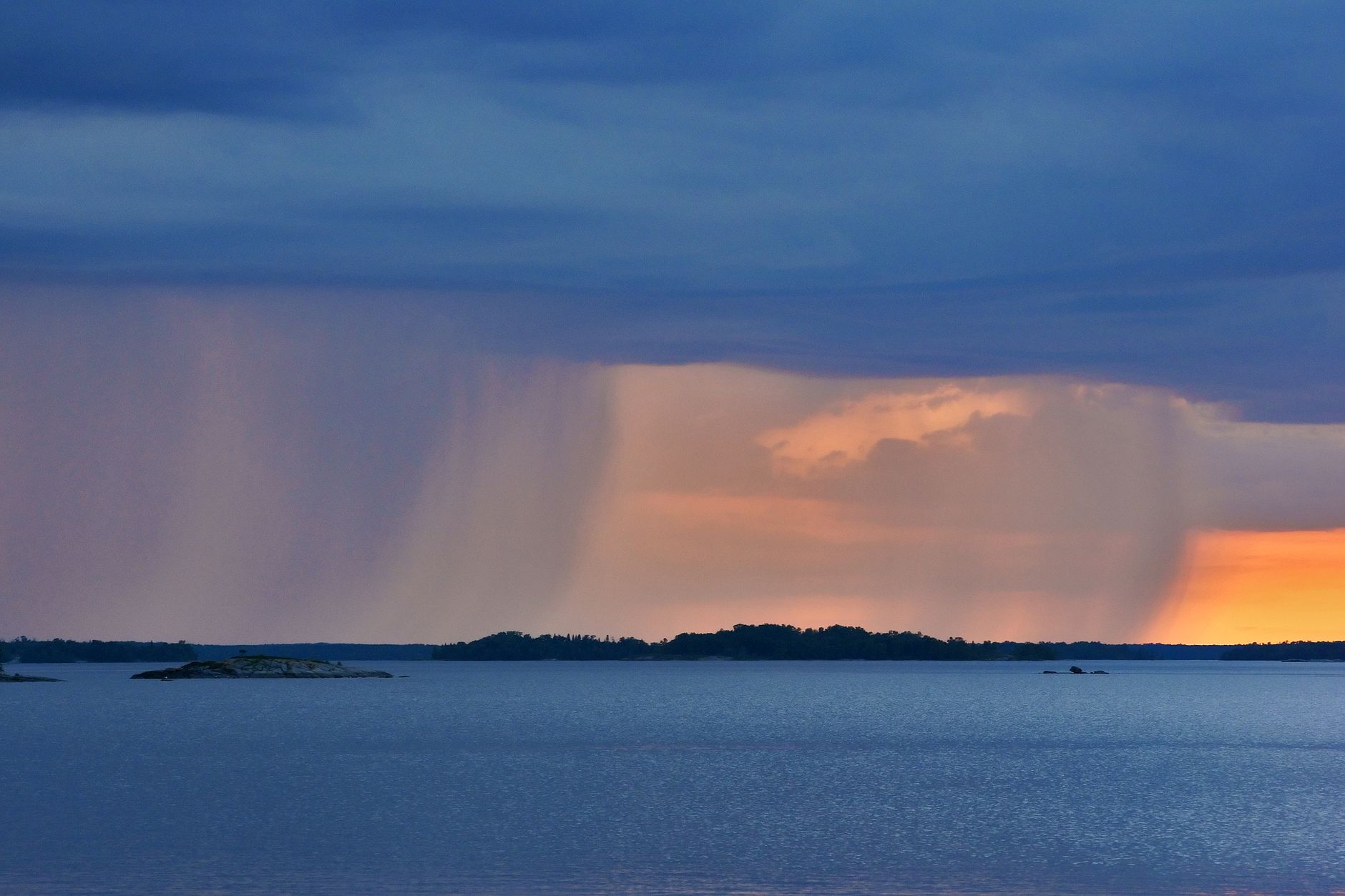
You’re probably familiar with the modern habit of "fear-mongering" headlines. But in the ancient Near East, the noise was different. It was physical. It was geological.
The Hebrew word for "earth" in Psalm 46 is erets. It doesn’t just mean "land" in the abstract. It means the ground beneath your feet. The soil that grows your wheat. The dirt that covers your dead. The specific, tangible place where you live your life.
And the psalmist tells us that this ground can shake. Violently.
Imagine the tectonic plates of the ancient world grinding against each other. Not the slow, scientific drift we map today, but the sudden, terrifying lurch that throws a pot off a shelf, cracks a wall, or collapses a roof. For an Israelite, an earthquake wasn’t a news event; it was an omen of divine judgment or the end of the age. It was the world unraveling.
We don’t feel that same visceral terror anymore. We have insurance. We have building codes. We have the option to move to a stable zone. But the anxiety hasn’t gone away. It’s just shifted from the ground to the stock market, or the diagnosis, or the silence of a spouse who’s stopped talking.
We are tired of waiting for the other shoe to drop.
Look at the text. It’s famous, sure. We’ve heard it in weddings and funerals. We’ve seen it printed on ceramic mugs in gift shops. But we’ve skimmed it. We’ve turned the raw, jagged poetry into a gentle lullaby.
"God is our refuge and strength, a very present help in trouble. Therefore we will not fear though the earth gives way, though the mountains shake in the heart of the seas, though its waters roar and foam, though the mountains tremble with seething!" (, ESV)
Read that again. Slowly.
Though the earth gives way.
It’s not a conditional "if." It’s a "though." A concession. The writer knows the ground will fail. He knows the stability you’ve built your identity on—your career, your health, your reputation—is temporary. It’s sand. And he’s not asking you to pretend it’s rock.
He’s asking you to look up.
The Myth of Control
I’ll be honest. I used to read Psalm 46 and feel like I was being asked to ignore reality.
When my dad was diagnosed with early-onset dementia, I clung to this verse like a lifeline. God is our refuge. But for months, I didn’t feel like I was in a refuge. I felt like I was in a waiting room. The "earth" of our family—our shared memories, our routines, the way we talked at dinner—was giving way. It was shaking.
I tried to build a wall around that shaking. I researched diets. I hired caregivers. I organized calendars. I thought if I just managed the variables well enough, I could keep the ground from collapsing.
But the ground kept shaking.
The problem isn’t that God doesn’t promise protection. The problem is that we confuse "refuge" with "invulnerability." We think being in God means nothing bad will happen to us. We think faith is a shield against pain.
But the Hebrew word for "refuge" (choseh) literally means "a covering" or "a shadow." It doesn’t mean "a fortress that keeps the enemy out." It means "the shade that cools you while the storm rages overhead."
You can still feel the heat. You can still hear the thunder. But you are under the covering.
This is where the season matters. It’s early summer now. The days are long. The light lingers past eight o'clock. There’s a sense of abundance in the air—the smell of cut grass, the heavy green of oak leaves, the promise that life is growing. It’s easy to forget that summer follows a winter of dormancy. It’s easy to forget that the same sun that ripens the fruit can also scorch the field if the rains don’t come.
We want the harvest without the shaking. But the shaking is how God prunes.
So, what do we do when the ground is trembling? How do we live this out, not just as a nice idea, but as a daily practice?
1. Stop Trying to Stabilize the Unstable
The first concrete way to live out this promise is to stop fighting the shake.
We spend so much energy trying to create certainty. We read the news to feel prepared. We save money to feel secure. We control our children to feel safe. We are trying to build a city on the sand and pretending we’ve found the bedrock.
But Jesus said, "The rain fell, and the floods came, and the winds blew and beat on that house, but it did not fall, because it had been founded on the rock" ().
Notice the flood still came. The wind still blew. The foundation doesn’t stop the storm; it sustains you through the storm.
Try this: When you feel that familiar tightness in your chest—the anxiety about the future, the worry about a loved one, the fear of losing your job—don’t try to fix it immediately. Don’t reach for your phone. Don’t start analyzing the data. Just sit with it.
Acknowledge the shake. Say it out loud: "The ground is moving."
It’s okay if your finances are shaky. It’s okay if your marriage is shaking. It’s okay if your health is trembling. You don’t have to pretend it’s stable to be in God’s refuge. In fact, pretending it’s stable is what keeps you from leaning on Him. You’re too busy holding up the roof yourself to notice He’s already there.
2. Listen for the Whisper, Not the Thunder
The second part of the practice is listening.
"Be still, and know that I am God. I will be exalted among the nations, I will be exalted in the earth!" ()
The word for "be still" here is raphah. It’s not just "quiet." It’s "let go." It’s "slacken your hands." It’s the image of a warrior dropping his sword because he realizes the battle belongs to the Lord.
We are so loud. We are so busy. We treat our faith like a project to be managed. We pray to inform God about what’s happening, as if He hasn’t noticed. We praise to boost our own morale.
But the "stillness" of Psalm 46 is an active trust. It’s the decision to stop striving.
Think of a child in a car seat. When the car hits a bump, the child doesn’t try to stabilize the vehicle. They don’t lean forward and brace themselves. They just sit back. They trust the seat. They trust the driver.
That’s what "knowing" means here. It’s not intellectual assent. It’s relational reliance.
When the news cycle spins, when the diagnosis comes back, when the unexpected bill arrives—take one minute. Close your eyes. Let your shoulders drop. Let your jaw unclench. And whisper, "You are God."
Not "You are my solution." Not "You are my fix." Just, "You are God."
It’s a tiny act. But it shifts your center of gravity. You stop being the CEO of your universe and start being a child of the King. The noise doesn’t always stop, but your relationship to it changes. You realize the shaking is not a sign that God has abandoned you. It’s just the world being the world. And He is still there.
3. Worship as a Weapon, Not a Reaction
The third and final practice is the hardest one. Worship.
Not the singing. Not the music. But the act of declaring who God is, even when the evidence says otherwise.
"The Lord of hosts is with us; the God of Jacob is our fortress." ()
In the ancient world, a fortress wasn’t just a place to hide. It was a place to watch. It was high ground. It was a place from which you could see the enemy coming and declare your authority.
The psalmist ends by repeating "The Lord of hosts is with us" three times. It’s a chant. A drumbeat. A way of anchoring the soul when the mind is spinning.
We tend to worship when things go well. It’s easier. When the promotion comes, we praise. When the baby sleeps through the night, we praise. But true worship—the kind that holds the sky up—is worship in the dark.
Worship is not a reaction to your circumstances. It’s a declaration of your King’s character.
Try this: When the shake happens, don’t wait for it to stop before you pray. Pray while it’s shaking.
Tell God, "You are good. You are faithful. You are here. Even if this doesn’t make sense. Even if I don’t understand why. You are God."
It’s counterintuitive. It feels like lying if you’re being honest. But it’s not lying. It’s choosing to believe the bigger story. The story that says the earth may give way, but the Creator of the earth is not shaken.
I remember sitting in the hospital room while my dad was sleeping, the machines beeping in that steady, mechanical rhythm. The "earth" of our family was shaking. I was tired. I was scared. I didn’t feel like praising.
But I whispered the psalm. God is our refuge. God is our strength.
I wasn’t pretending the cancer wasn’t there. I wasn’t pretending the shaking had stopped. I was just declaring that the One who holds the universe together was holding him.
And somehow, in that quiet, the fear lost its teeth.
The Quiet After
It’s summer now. The heat is building. The days are long and full of light. It’s easy to forget that the same God who calms the storm also walks through the fire.
We don’t need a life without shaking. We need a God who doesn’t shake.
And He doesn’t.
So, when the next tremor comes—and it will, because this world is not our home—don’t panic. Don’t try to fix it. Don’t try to control it.
Just drop your sword.
Let your hands go slack.
And rest.
Lord, thank You for being the shade in the heat. Thank You for not promising us a life without storms, but for promising to be in them with us. When the ground shakes and my hands want to grab on tight, help me to let go. Help me to trust that You are still God, even when I can’t see the way out. Give me the courage to worship in the shaking, and the peace to rest in Your presence. Amen.