Have you ever run until your lungs burned, only to realize halfway through that you were sprinting in the wrong direction?
It’s a feeling of pure panic. That frantic, thrashing energy where every step feels like it’s pulling you further from the goal rather than closer to it. We all know that sensation in our physical lives. But for many of us, that is exactly what our spiritual life feels like right now.
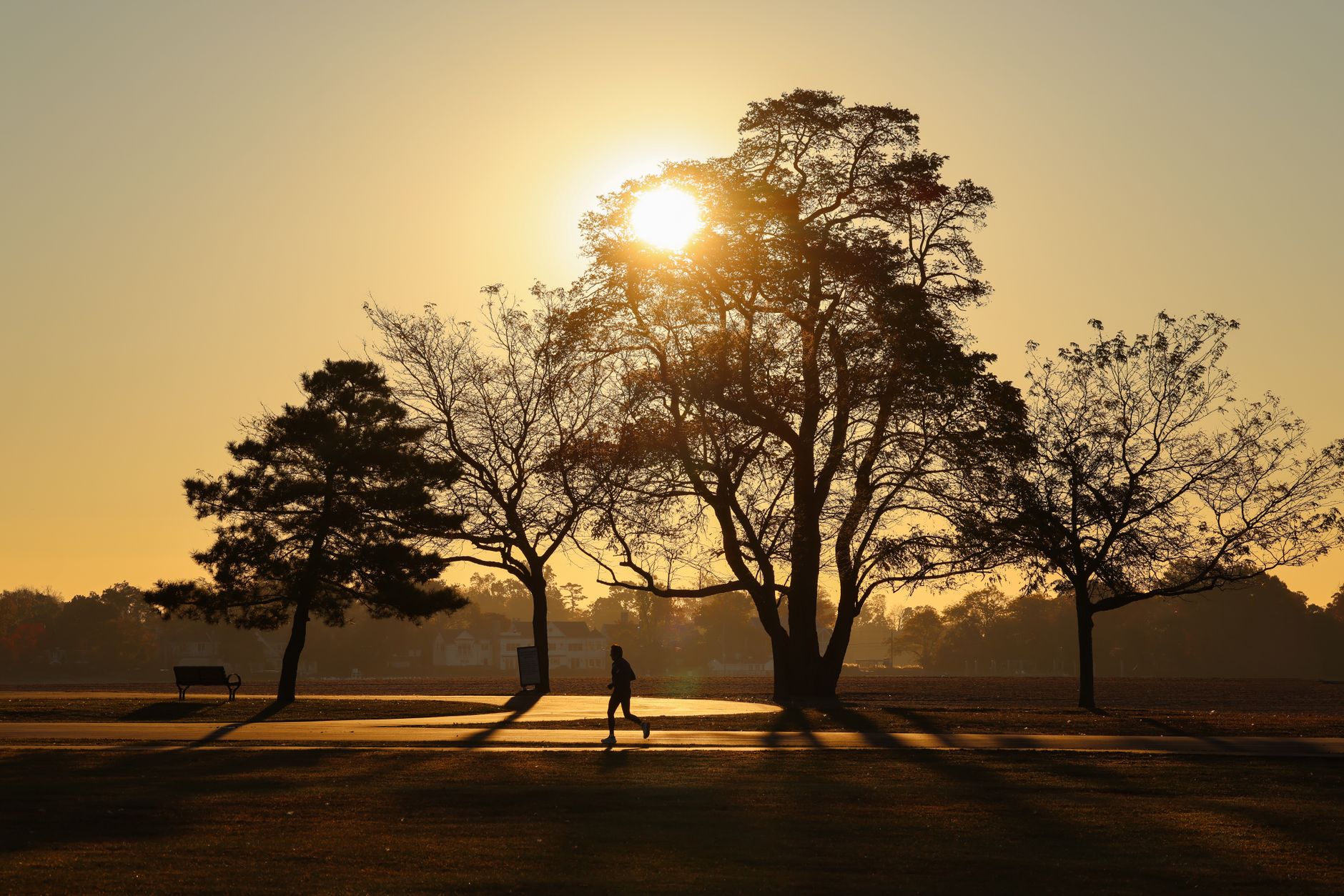
The days are getting shorter. You can feel it in the way the light hits your kitchen table at 6:00 PM, just a shade earlier than it did last month. The harvest is in. There’s a natural rhythm to this time of year that asks us to slow down, look back at what we’ve gathered, and prepare for the long, dark nights ahead. But our culture? Our culture doesn’t slow down. It accelerates.
We are told to "run the race." We slap that phrase on t-shirts and put it in our sermons. tells us, "Therefore, since we are surrounded by such a great cloud of witnesses, let us throw off everything that hinders and the sin that so easily entangles. And let us run with perseverance the race marked out for us, fixing our eyes on Jesus, the pioneer and perfecter of faith."
It sounds like a command to hustle. To grind. To check off more boxes on the Christian life checklist before winter sets in. But here is the thing about a race: if you’re running it with your eyes on your own feet, you will trip. If you’re moving through it gazing upon the people in the lanes next to you, you’ll panic when they move ahead. And if you’re going just because the crowd is cheering, you’ll burn out before you even see the end.
So, what are we actually running? And who is watching? Let’s look at this from three different angles, because the truth isn’t found in just one verse. It’s woven through history, scripture, and our messy, ordinary lives.
The Myth of the Solo Sprinter
Here’s a hard truth that we don’t like to talk about: running is lonely. And when our faith feels like a solo sprint, it’s usually because we’ve made it that way.
I’ll be honest with you. For a few years, I treated my walk with God like a personal performance review. If I didn’t read three chapters of the Bible, I felt like I was failing. If my prayer life got shorter because work was crazy, I started to resent God for "taking" that time from me. It was a transaction. I give effort, He gives comfort. If the comfort didn’t come, I assumed I hadn’t run hard enough.
But look at that verse in Hebrews again. It says we are "surrounded by such a great cloud of witnesses."
Witnesses don’t run the race with you. They watch it. They cheer from the stands. And who is in those stands? It’s Abraham. Moses. David. Paul. Mary. The whole messy, glorious history of people who stumbled, fell, and got back up.
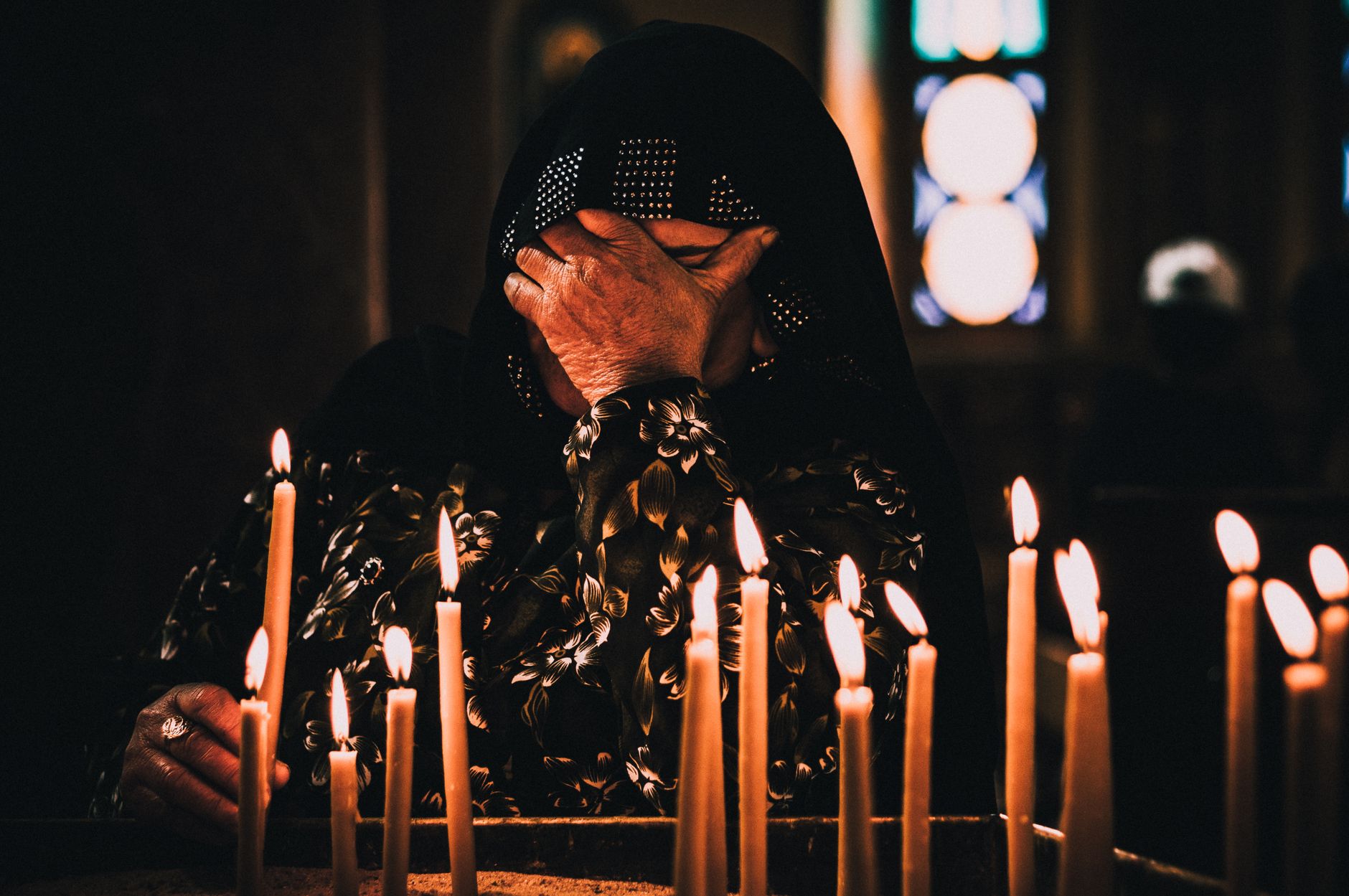
This is where the "cultural ritual" of prayer comes in. We often think of prayer as a private, one-on-one meeting where you try to impress God with your eloquence. But historically, prayer has always been communal. It’s the early church breaking bread together. It’s the monastics chanting in unison at dawn when their bodies were too tired to move. It’s a mother whispering a prayer over her sick child while the rest of the family sleeps.
When you run alone, you judge your pace by your own breathless panic. But when you move forward with the "great cloud," you realize something freeing: you don’t have to be faster than Paul. You just have to keep moving in the direction of Jesus.
There’s a difference between striving and faithfulness. Striving is looking at the clock and wondering if you’re fast enough. Faithfulness is trusting that God isn’t watching your speedometer; He’s watching your heart.
The Race Is Not Against the Clock
We live in a culture that is obsessed with optimization. We optimize our sleep, our workouts, our diets, and yes, even our spiritual routines. We have apps for meditation. We have 5-minute devotionals because "10 minutes is too long."
And that’s fine. But when we turn faith into a metric, we lose the point of it.
Imagine if you were running a marathon and someone handed you a stopwatch every mile, saying, "You’re too slow. Try again." Would you keep running? Or would you collapse on the sidewalk, weeping with frustration?
That’s what comparison does to our faith. It makes us feel like failures because we aren't producing "spiritual fruit" at the rate our social media feed suggests we should be.
But God isn’t a stopwatch. He’s the ground under our feet.
says, "You know when I sit and when I rises; you perceive my thoughts from afar."
He knows. He knows that some days, "running" looks like lying on the couch, staring at the ceiling, whispering, "God, I’m tired." He knows that some days, running looks like angry shouting into a pillow. He knows the difference between sin and struggle, between failure and fatigue.
The race of faith isn’t about how far you go in a day. It’s about whether you’re still moving toward the One who holds the goal. Jesus isn’t a coach yelling from the sidelines. He’s in the race with us. Hebrews calls Him the "pioneer and perfecter of faith." He ran it first. He knows what it smells like when your muscles are screaming. He knows the taste of blood in your throat.
So, stop looking at the stopwatch. Start focusing on Him.
The Goal Changes Everything
Here’s where it gets a bit tricky, and I want to be careful here because this is where we often go wrong.
What is the goal?
Is it death? Is it heaven? Is it a specific milestone in our lives, like marriage or retirement?
The Bible gives us the ultimate answer. The goal is Christ Himself. Not a place, but a Person.
When we "fix our eyes on Jesus," we aren’t just looking at a distant target. We are recognizing that the entire purpose of our existence is to know Him and be known by Him.
This shifts the pressure entirely. If the aim was "do more good deeds," you’d be exhausted. If the aim was "never sin," you’d be terrified. But if the aim is Him, then every step, even the stumbling ones, counts as progress. Because you’re getting to know Him.
I remember a season in my life where I felt spiritually stagnant for years. Nothing big was happening. No miracles, no big moves of the Holy Spirit, just... Tuesday after Tuesday. I was frustrated. I felt like I wasn’t "running."
But looking back, those quiet Tuesdays were where I actually learned to love God. Not for what He could do for me, but just because of who He is. The quiet days were the training wheels. They taught me that faith isn’t always a dramatic sprint; sometimes, it’s a slow, steady walk through the valley.
And that’s okay. A walk is still movement. And if you’re walking toward Jesus, you are winning the race.
The Crowd Is Vast and Waiting
So, where does this leave us? In the late summer heat, with the days shortening and the world spinning faster than we can keep up?
It leaves us free.
You don’t have to run with your eyes on the person in front of you. You don’t need to worry if they’re falling behind or pulling ahead. Their race is theirs. Yours is yours. And both of you are being watched by the same God who loves you with a fierce, unchangeable love.
This truth doesn’t just stay inside your head. It spills over. When you stop running for applause, you start moving for love. And that changes how you treat the people around you. You stop seeing your neighbors, your coworkers, your family members as competitors on a spiritual leaderboard. They become fellow runners.
We need each other to cross that line. We need the "great cloud" not just in heaven, but in our living rooms and church pews. We need the person who reminds us to drink water when we’re too busy sprinting. We need the friend who sits with us in the dark when our legs give out.
God’s people have always run this race together. From the exodus through the wilderness, to the early church facing persecution, to us today moving through a world that often doesn’t understand why we believe what we believe. We are not lone wolves. We are a body. And when one part of the body stumbles, the whole body slows down to help them up.
So, take a breath. Look at the horizon. The days are getting shorter, but the light of Christ doesn’t fade with the sun. It stays.
Keep running. Not because you have to be fast. But because He is calling your name, and His voice sounds like home.