The Olive Presses of Gethsemane: When Surrender Feels Like Dying
The air in the Valley of Jehosaphat was thick. Not with perfume, but with the heavy, pungent scent of bruised olives. This is a detail most Sunday school lessons skip over, but it’s crucial to understanding the gravity of that night. Gethsemane wasn’t a manicured park; it was an olive press. Stones, oil-soaked and slick, lined the ground where men squeezed fruit for livelihoods. It smelled of industry, of labor, of things being crushed to yield something sweet.
Jesus didn’t just pray there by accident. He went to the place where things get pressed.
It’s autumn now, isn’t it? The calendar is turning. Leaves are hitting the pavement in brown clumps, and there’s that specific quiet to the air that makes you check your phone just to see if the day has passed. The year is winding down, and with it comes that creeping anxiety about what we haven’t done, what we didn’t say, or how much we’ve given to others. For many of us, the season feels less like gratitude and more like exhaustion. We’re tired of serving. Tired of showing up for community groups, volunteer shifts, and the endless emotional labor of caring for people who are also struggling.
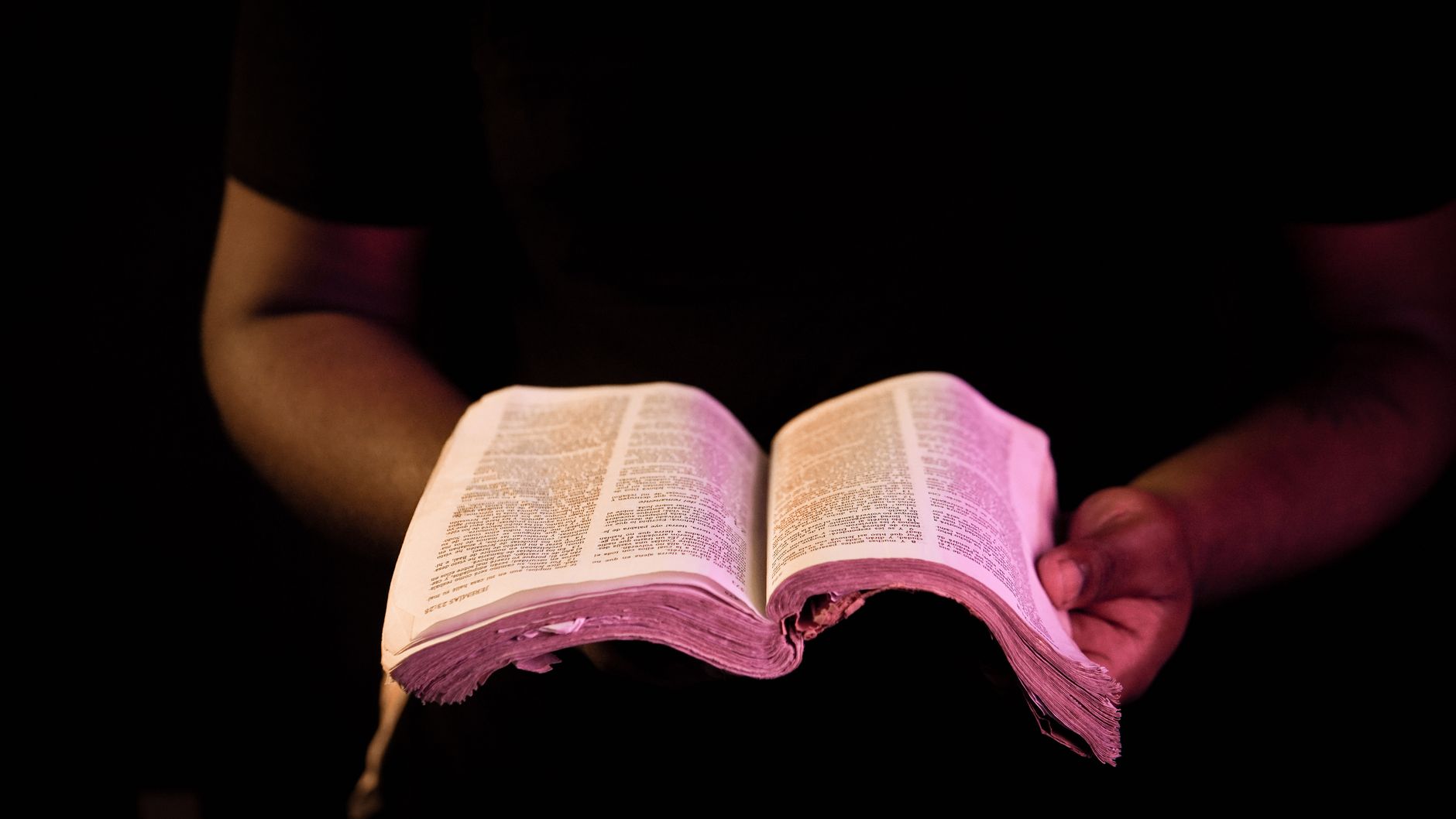
And then you open your Bible to Matthew 26, and Jesus makes you sit in that scent. He makes you smell the crushed oil.
The Weight of "Not My Will"
We often talk about surrender as if it’s a gentle letting go. Like releasing a balloon into the sky. But Jesus didn’t release a balloon. He poured out sweat like drops of blood ().
This is where my own faith wobbles a bit. I’ll be honest: when life gets hard—when the volunteer coordinator emails me at 6 AM, or when a friend in my small group shares news that shatters their story—I don’t feel like I’m surrendering. I feel like I’m drowning. And when I pray, "Not my will, but yours," it often feels less like a confident declaration and more like a plea for the pain to stop. I want my will because my will is safe. My will is a plan where I know what happens next. God’s will? That’s the unknown. That’s the dark, olive-soaked stone.
But look at what Jesus did in that garden. He didn’t run to the cross. He ran to it, but he fought every step of the way.
— "Going a little farther, he fell with his face to the ground and prayed. 'My Father,' he said, 'if it is possible, may this cup be taken from me. Yet not as I will, but as you will.'"
The word "possible" is doing a lot of heavy lifting here. Jesus wasn’t confused about God’s character. He knew the cup was coming. The "if it is possible" wasn’t ignorance; it was the depth of his humanity screaming against the horror of what lay ahead. He hated it. He didn’t like it. And that’s okay. Surrender isn’t about loving the pain. It’s about trusting the One who holds it, even when you don’t love a single drop of it.
The History of the Stone
Let’s zoom out for a second. Why did Jesus send Peter, James, and John away?
They were his closest friends. The inner circle. But in the heat of that moment, Jesus needed to be alone with His Father. This is a hard pill for the "community first" mindset we often preach in churches today. We tend to think that if you’re struggling, the solution is a support group. A prayer team. A hug from a neighbor who works at the food bank.
And those things are essential. They’re lifelines. But Gethsemane reminds us that there is a dimension of surrender that happens in the silence between you and God.
Historically, the olive presses at Gethsemane were used for two things: pressing fruit and making soap. The harsh alkaline mix was used to clean the stones after the oil was extracted. It was gritty, chemical work. Jesus knew He was about to be "pressed" in the most literal sense—crushed under the burden of sin that wasn’t His.
This changes how I view my own volunteer work and relationships. I used to think that serving others was a way to escape my own inner chaos. If I’m busy packing lunchboxes or visiting the elderly, I don’t have to sit with my own unanswered prayers. Gethsemane flips that on its head. You can’t serve effectively if you haven’t been pressed first. The oil doesn’t come out without the stone.
If I’m serving from a place of unprocessed grief, I’m not pouring out oil; I’m just making a mess.
The Quiet Cost of Presence
Here’s the thing about community that we often forget: it has a cost. And that cost is usually borne by the person who leads, or the individual who holds space for others.
I remember a season where I was leading a new believers’ group. Three people were struggling with major life transitions—divorce, job loss, health scares. I was praying for them daily. I was listening. I was driving them to appointments. And one Tuesday night, after hanging up the phone with a member who had just lost her job, I sat in my driveway and cried for twenty minutes. Not because I was sad for her—though I was—but because I realized how empty I felt inside.
I had given everything to the community, but I hadn’t gone into the garden alone to refill my own tank.
Jesus brought His disciples back and found them asleep ( — "And when he came, he found them sleeping. Then he said to Peter, 'Could you not keep watch with me for one hour?'"
It’s a stinging question. Could you not? It highlights the gap between our desire to be with Jesus and our actual willingness to stay awake in the dark with Him.
Surrender isn’t just a theological concept for the big stuff—like death or major career changes. It’s in the small, unglamorous moments of stewardship within a community. It’s when you’re tired and you want to quit the committee, but you stay because someone else needs that stability. It’s when you listen to a story for the fifth time, not because it changes your life, but because it validates theirs.
That’s Gethsemane in small doses. The quiet, grinding work of trusting that your sacrifice matters, even when it’s invisible.
Trusting the Unknown Harvest
The olive tree is known for its longevity. Some trees in that valley have been over 2,000 years old. They survive droughts, wars, and neglect. How? By putting down deep roots into the rocky soil.
When we surrender to God’s will in our relationships and service, we are doing the same thing. We’re letting our roots go deeper into ground that feels dry and hard.
I think about the volunteers at my local church who have been doing the same job for ten years. They don’t get much applause. The thank-yous are quiet. But they show up. And I’ve started to see that their consistency isn’t just duty; it’s a form of worship. They are saying, "I don't always know what you're doing with my life, but I trust that the fruit coming from this broken soil is worth pressing."
It’s not a victory lap. It’s not a highlight reel. It’s the quiet, gritty work of faith.
As the leaves continue to fall and the year turns toward winter, I’m finding myself less interested in "fixing" things and more interested in being present. There’s a peace in that, I’m discovering. A strange, quiet peace that smells a bit like old oil and wet stone.
We don’t always get the answer we want in the garden of our lives. Sometimes God just says, "I am here. And I will carry this cup with you."
And maybe that’s enough. Maybe for now, in the turning of this season, that’s all we need to hear.