The demand for clean and sustainable energy sources is on the rise as individuals and communities work to decrease their ecological footprint and protect the planet. As a result, renewable energy has become an increasingly popular option for homeowners. In this article, we will explore the various energy sources available to homeowners, as well as the benefits they offer.
Types of Renewable Energy
Homeowners can consider several alternatives when transitioning to a more sustainable energy source. These include:
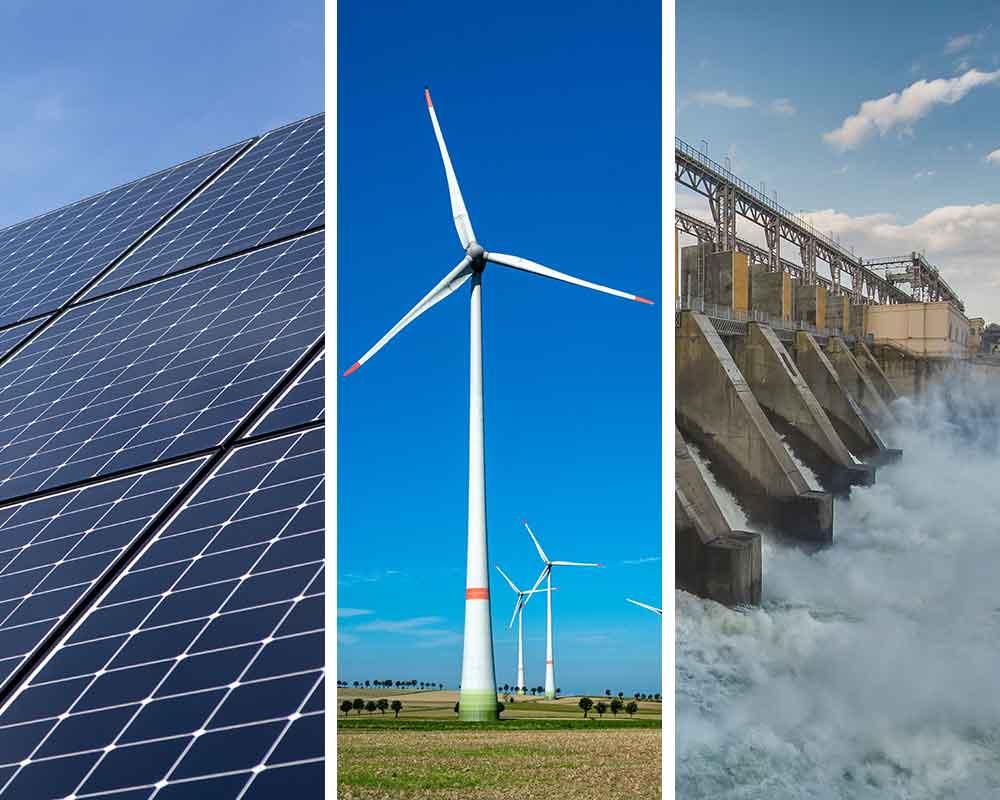
- Solar power
- Wind power
- Hydroelectric power
- Geothermal energy
- Biogas
- Biomass
Each of these options has its own unique advantages and disadvantages, and it's crucial for homeowners to carefully consider their individual needs and preferences when selecting a suitable energy solution.
Benefits of Renewable Energy
There are many benefits to adopting sustainable energy practices in your home, including:
- Saving money on energy costs: Renewable energy sources are often less expensive than fossil fuels, making them a more affordable option for homeowners.
- Reducing environmental harm: By harnessing power from natural resources, homeowners can help create a healthier planet.
- Increasing energy independence: By generating their own energy, homeowners can become less reliant on public utilities.
- Increasing property value: In some cases, investing in renewable energy can increase the value of a home, making it a more attractive investment opportunity.
In addition to these benefits, switching to renewable energy can also help to improve the health and well-being of homeowners and their families. For instance, I've seen firsthand how a family in my community was able to reduce their energy bills and create a safer living environment by installing solar panels on their home. By reducing exposure to pollutants and toxins, families can lower the risk of chronic diseases and other health issues. I recall a conversation with a neighbor who had made the switch to solar power and was thrilled to see her energy bills decrease by nearly half, allowing her to allocate that money towards her children's education instead.
Solar Power
Solar power is one of the most popular energy alternatives for homeowners. There are several different types of solar power systems that homeowners can consider, including:
- Photovoltaic (PV) panels: These panels convert sunlight into electricity, which can power various household appliances directly.
- Solar water heating: This system uses solar panels to heat water, decreasing the need for fossil fuels and lowering energy bills.
- Solar thermal: This system uses solar panels to heat air or water, which can be utilized for heating or cooling homes.
Solar power is a practical solution for homeowners who live in areas with ample sunshine and want to decrease their reliance on non-renewable energy. Solar power systems require significant upfront investment, and ongoing maintenance costs must be factored into the overall cost.
Wind Power
Wind power is an alternative energy solution that can be suitable for certain households. Wind turbines generate electricity by harnessing the power of the wind, and this electricity is channeled to meet various energy needs. The feasibility of wind power depends on the location, and the cost of installation and upkeep can be substantial.
Hydroelectric Power
Hydroelectric power generates electricity by harnessing the force of water to turn turbines. This method of energy production is not universally available, and its implementation can be complex and costly.
Geothermal Energy
Geothermal energy leverages the heat from the earth's core, and this heat is utilized for heating, cooling, or generating electricity. The availability of geothermal energy varies by location, and its development can be expensive and technically challenging.
Biogas
Biogas production involves converting organic waste into methane gas, which serves as a fuel source or is converted into electricity. Producing biogas is a feasible option for those with access to organic waste, such as food scraps or yard waste.
Biomass
Biomass involves burning organic waste, such as wood or agricultural waste, to produce heat or electricity. This approach to energy production can be a suitable fit for those with access to organic waste and who seek to minimize their carbon footprint.
Options Are Out There
Renewable energy is a practical option for households seeking to contribute to a healthier planet and minimize their environmental impact. Various energy solutions are available, including solar power, wind energy, hydroelectric generation, geothermal systems, biogas production, and biomass. Homeowners must carefully evaluate their individual needs and preferences when selecting a suitable energy solution, as each has its unique characteristics and trade-offs.
By adopting sustainable energy practices, households can save on energy costs, minimize harm to the environment, and gain greater control over their energy supply. This leads to improved health and well-being for families, resulting in a better future for all, with cleaner air, water, and land for generations to come.