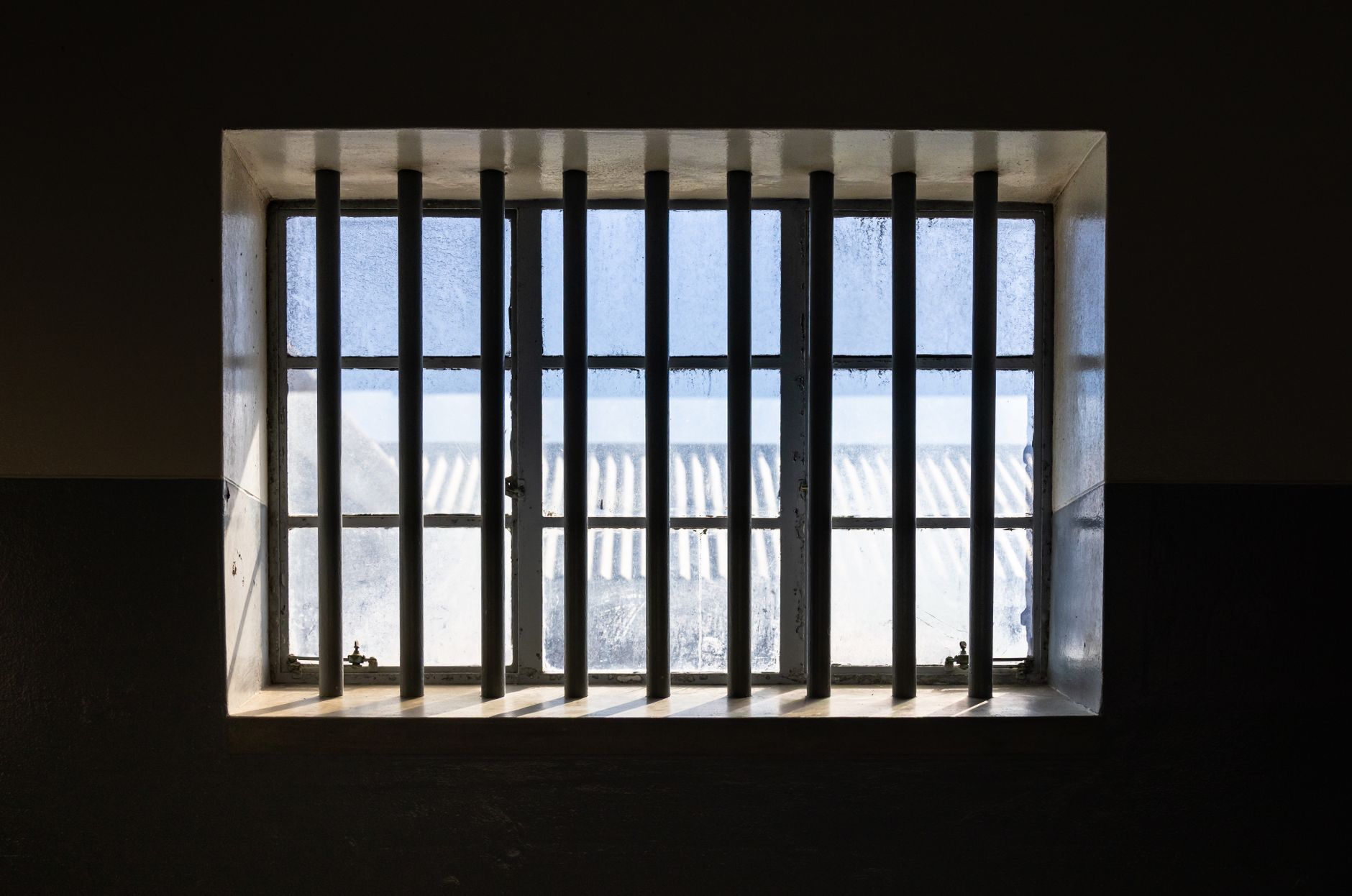
The heat in Jerusalem was a physical weight, pressing down on the stone streets. It was the kind of late-summer day where the air shimmers above the cobblestones, making the distant hills look like they are melting into the sky. In a small, dusty courtyard, a woman stood before a judge who hadn’t even looked up from his scroll. She wasn’t loud. She wasn’t angry. But she didn’t leave.
That image lingers. Not because the widow was right—though she was—but because she refused to accept silence as an answer.
The Judge Who Had No Mercy
Let’s go back to the text itself. Jesus tells this parable in Luke 18. It’s short, but it cuts deep.
— "Then Jesus told his disciples a parable to show them that they always ought to pray and not lose heart."
Notice the context. Jesus is speaking to his followers. They’re on the road, facing resistance, facing doubt. And he gives them this story.
The judge in the parable is not a good man. Jesus describes him bluntly:
— "He said: 'In a certain town there was a judge who did not fear God nor respect anyone.'"
Did you catch that? Did not fear God. Nor respect anyone. This is a man who has looked at the whole system of grace and decided it doesn’t apply to him. He’s pragmatic. He’s cynical. He treats justice like a business transaction—something you buy when you have enough leverage.
And the widow? She’s poor. In the ancient world, a widow had it hard. Without a husband to provide, without children to support her, she was vulnerable. She had no status. No power. No money.
But she had something else. She had persistence.
— "'There was also a widow in that town who kept coming to him with her case. She said, "Settle my case against my adversary." For a while he refused. But eventually he said to himself, "Though I do not fear God nor respect anyone, yet because this widow keeps bothering me, I will settle her case. Otherwise she will come and eventually wear me out."'""
Read that last part again. Otherwise she will come and eventually wear me out.
It’s almost funny. The judge isn’t moved by mercy. He’s not moved by justice. He’s moved by annoyance. He’s moved by the sheer tenacity of someone who refuses to give up.
Why Did Jesus Tell This Story?
Here’s the thing. Jesus didn’t tell this parable just to make a point about stubbornness. He told it to address a specific problem his listeners were facing.
They were losing heart.
Think about it. You’re praying. You’re bringing requests before the throne of grace. Maybe it’s healing. Perhaps provision. Or maybe clarity. And days go by. Weeks go by. Nothing changes. The situation stays unchanged. The pain persists. The uncertainty lingers.
And slowly, quietly, your faith begins to waver. You start to wonder if God is even listening. Or perhaps he is listening, but he simply doesn’t care. Or maybe he cares, but he’s too busy dealing with bigger issues to notice your small, insignificant request.
This is the trap. This is the lie the enemy whispers in the quiet hours of the night: If God loved you, he would act now.
But the parable of the persistent widow flips that script. It suggests that the reason the judge finally acted wasn’t because he suddenly developed a conscience. It was because the widow refused to stop knocking.
Jesus is teaching his disciples that prayer isn’t about changing God’s mind. It’s about aligning our hearts with his will. It’s about staying in the presence of God long enough to see what he is doing, even when we can’t understand it.
A Note on Late Summer
I’ll be honest. I’ve read this parable dozens of times. I’ve taught it. I’ve preached it. But I never really felt it until recently.
It’s late summer now. The days are getting shorter. The light is changing. There’s a quality to the evening light in September that feels different—softer, warmer, a bit more melancholic. The harvest is in. The fields are empty. The trees are beginning to drop their leaves.
There’s a sense of preparation in the air. A sense of waiting.
Maybe that’s why this parable resonates so strongly right now. We’re in a season of waiting. We’ve planted the seeds. We’ve watered the ground. We’ve asked for the rain. And now we wait to see if the fruit will bear.
But the widow reminds us that waiting isn’t passive. Waiting is active. Waiting is a form of worship. Waiting is a declaration of trust.
How to Practice Persistent Prayer
So, how do we apply this to our daily lives? How do we become like the widow? How do we keep knocking without burning out?
Here are a few practical ways to cultivate persistent prayer.
1. Set a Specific Time and Place
Consistency is key. It’s easy to say, "I’ll pray whenever I feel like it," but often, those moments never come. Pick a time of day that works for you—morning, noon, or night—and stick to it. Choose a quiet space where you won’t be interrupted. It doesn’t have to be fancy. A corner of your room, a bench in the park, or a chair by the window will do. The goal is to create a routine that signals to your mind and body that it’s time to connect with God.
2. Write Down Your Requests
Keep a prayer journal. Write down what you’re asking for. Be specific. Don’t just write, "Heal my mom." Write, "Lord, I ask for healing in my mother’s legs so she can walk to the mailbox without pain." Writing it down makes it real. It forces you to articulate your need. And when the answer comes, you’ll have a record to look back on. You’ll observe the timeline. You’ll notice the delay. And you’ll witness the fulfillment.
3. Pray the Same Prayer Repeatedly
Don’t be afraid to repeat yourself. If you’re asking for the same thing, keep asking. Use the same words. Say the same sentence. Let it settle into a mantra. Allow it to form a rhythm. Make it part of your identity. The widow didn’t change her story. She told the same story every time. She said the same words. She asked for the same thing. And that repetition is what wore the judge down. So, repeat your prayer. Continue speaking it until you believe it. Keep declaring it until you perceive it. Persist in asking until it happens.
4. Trust the Process
Finally, trust that God is working, even when you can’t see it. Believe the delay is not denial. Have confidence that the silence is not indifference. Rely on the fact that the answer is coming, even if it’s not coming in the way you expect or the way you want. Trust the process. Trust the timing. Trust the plan.
One Action to Take Today
Here’s one concrete thing you can do today.
Pick one specific thing you’ve been praying about. Just one. Write it down on a piece of paper. Keep it somewhere visible—on your mirror, on your dashboard, on your desk. Look at it three times a day. Morning, midday, night. Each time you look at it, say the prayer out loud. Just once. Short and simple. "God, please handle this." Then walk away. Don’t analyze it. Don’t worry about it. Just acknowledge it, ask for help, and move on.
Do this for seven days. See what happens. Notice any shifts in your mood, your perspective, your circumstances. Look for moments of peace, instances of joy, or surprises in the mundane. Seek out connections, experiences of love, and glimpses of grace.
The widow kept knocking. And eventually, the door opened. Not because the judge wanted it to. But because she wouldn’t stop.
So, keep knocking. Keep asking. Keep seeking.
Because the door is opening. You just have to be there when it swings wide.