It’s 6:00 PM on a Tuesday. You’re in your kitchen, staring at the sink full of dishes from dinner that you ate while scrolling through your phone. The leaves outside are turning brown and falling off the trees, reminding you that another season is slipping away. You feel a weird mix of exhaustion and gratitude.
You’re tired. But you’re also thankful for the roof over your head, the food in the fridge, and the fact that you’re still here.
Is that all there is to Communion? A quiet moment of gratitude in a busy week?
Maybe. But it’s not just that. It’s way more intense than a polite "thank you for the meal."
When Jesus broke bread and shared wine with his friends in a quiet room, he wasn’t holding a casual dinner party. He was setting the stage for everything that happens next. He was saying, "Look at this. This is my body. This blood seals a new agreement with you."
It’s an intimate, heavy, and beautiful act. And we do it again every week (or month, or quarter—depending on where you sit). But does it still hit us? Or has it become routine?
Let’s dig into this. Not to get bogged down in theology degrees, but to remember why we do it.
Does Communion Actually Change Anything?
I’ll be honest with you. There are times I walk up to the plate, take the cup, and feel… nothing. Just thirst. Maybe a little guilt that I forgot to pray earlier. I wonder if it’s just a ritual we’ve worn smooth, like a river stone.
But here is the thing: Communion isn’t magic water. It’s not a battery charger you plug in to get more "spiritual energy" for the next 48 hours. If that’s all you’re expecting, it will probably feel empty.
The power isn’t in the element itself; it’s in what it points to.
Jesus said, "Do this in remembrance of me." ( — "While they were eating, Jesus took bread, and when he had given thanks, he broke it and gave it to them, saying, 'Take and eat; this is my body.'")
Remembrance. That’s the key word.
In a culture that moves so fast, we are terrible at remembering. We scroll past our own memories. We forget the faces of people who loved us. We forget how far we’ve come.
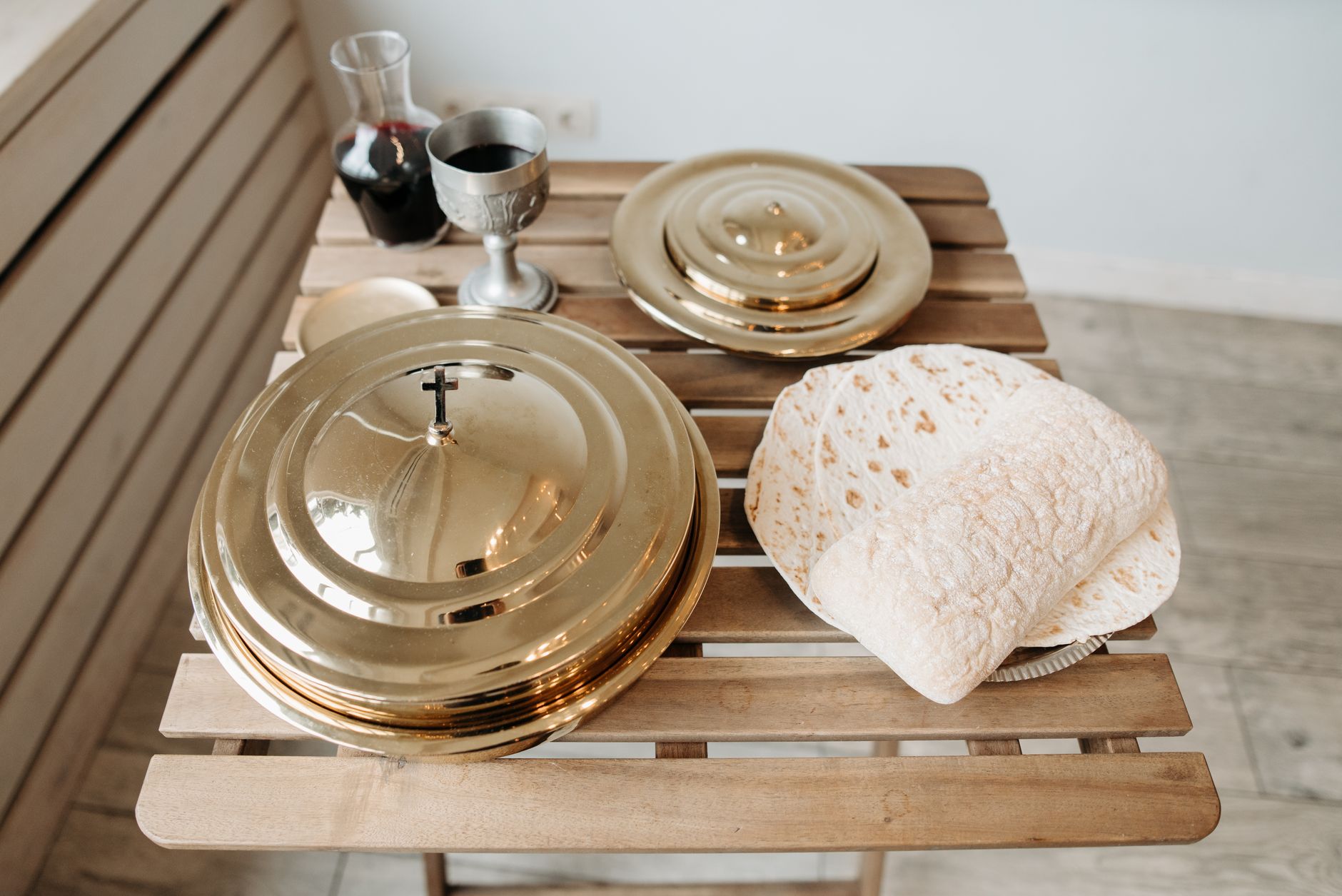
Communion forces a pause. It creates a mental anchor. When you take that wafer, you are physically reenacting the moment Jesus said, "This is for you." It pulls your mind away from the noise of your inbox and back to the cross.
It doesn’t change your circumstances instantly. It might not fix your marriage or cure your anxiety today. But it re-centers your soul. It reminds you that you are loved by a God who paid the ultimate price for you. That realization? It changes how you see everything else.
Why Did Jesus Choose a "Last" Meal?
It’s easy to forget the context. This wasn’t just any dinner. It was the Last Supper.
Jesus knew what was coming. He knew about the betrayal. He knew about the trials, the mockery, and the death he was walking toward. And in that room, with those specific people (who would soon scatter and deny him), he didn’t run. He didn’t hide.
He washed their feet. He broke bread. He poured wine.
Why? Because he was making a point about his death. It wasn’t an accident. It wasn’t just a tragic end to a good life. It was intentional.
"Take, eat; this is my body given for you." ()
He was taking the most painful, shameful event in human history—execution by state-sanctioned torture—and turning it into an invitation to a table.
Think about that. The cross was meant to be a symbol of defeat and shame for Jesus. But he turned it into the center of our worship. He took the worst thing that could happen to him and made it the best thing for us.
When you participate in Communion, you’re acknowledging that victory. You’re saying, "I know how this ended for him so it could begin for me."
It’s a powerful counter-culture statement. The world says, "Survive. Protect yourself. Don’t get hurt." Jesus said, "Be broken. Be given away. Let love win through the pain."
Is It Just for "Good" Christians?
This is a big question. Maybe the biggest one holding people back from coming forward.
You’re having a bad week. You argued with your spouse. You didn’t pray yesterday. You caught yourself lying to a coworker. You’re not feeling "holy" or "clean."
Do you still come forward?
Yes. Absolutely.
Paul wrote to the Corinthians, and he was pretty blunt about it. "Whoever, therefore, eats the bread or drinks the cup of the Lord in an unworthy manner will be guilty of profaning the body and blood of the Lord. Examine yourselves, whether you are in the faith; test yourselves." ()
Now, "unworthy manner" doesn’t mean you have to be perfect. It means you need to check your heart. Are you treating it as a joke? Are you rushing through it while thinking about your grocery list? That’s the issue.
But if your "unworthiness" is just that you’re a broken human being trying to follow Jesus? That’s exactly who this is for.
The table isn’t reserved for the saints. It’s for the sick, the struggling, and the ones who are trying to get back on track.
Think of it like a doctor’s office. You don’t go to the doctor because you’re healthy and fit. You go because you’re hurting, or you need a checkup, or you need help healing. Communion is spiritual medicine. It’s grace for the exhausted.
Don’t let your guilt keep you from the table. Your brokenness is not a barrier to grace; it’s the reason for it.
How Do I Make It Real Again?
Let’s be real. Routine is the enemy of reverence. If you’ve done this for ten years, it’s easy to go on autopilot.
So how do you break the pattern? How do you make it feel fresh?
First, change your location if possible. If you always sit in the front row, try sitting in the back for a week. Or stand up during the service instead of sitting. Physical movement can wake up your mind.
Second, pray before you take the element. Not a long, fancy prayer. Just two words: "Thank you." or "I’m here." Or maybe even just, "Jesus, I don’t feel much right now. Help me see you."
Third, connect it to your current season. It’s autumn. Things are changing. The world is cooling down. Maybe you’re in a season of letting go, too. Let that parallel sit with you. As the trees let go of their leaves to survive winter, what are you holding onto that you need to surrender?
Communion is a reminder that life cycles. We lose things. We change. But God remains constant. The bread is still the same. The promise is still the same. Even when everything else shifts, He holds it together.
One Small Step for Today
You don’t need a grand theological overhaul to make Communion mean something again. You just need one shift in perspective for your next time at the table.
Here’s a specific thing you can do this week:
Before you take the bread, close your eyes for just three seconds. Look at the object in your hand. Really look at it. It’s small. Plain. Unassuming.
Then, in your mind, ask this question: "If Jesus were handing me this bread right now, knowing exactly what I’ve been through this week, what would he want me to hear?"
Don’t overthink it. Let the answer come. It could be "Rest." Or perhaps "Courage." Maybe even just, "You’re enough."
Hold that thought while you eat. Let it settle in your chest.
That’s all. No performance required. Just presence.
The year is turning. The leaves are falling. But the table stays set. Come and sit.