Isaiah the Prophet
Isaiah is one of the people's favorite biblical prophets. By far, the book of Isaiah is one of the most quoted books among all the books in the Bible. In Christianity, he is one very important prophet because he is the one that predicts the coming of the Messiah, the virgin birth, and Jesus' death.
Isaiah was a Hebrew prophet; he's believed to have lived for 700 years before the birth of Jesus. The Bible says that he saw a vision about the coming of Jesus. It is also believed that he wrote 39 of the chapters in the book of Isaiah, and other generations added to his work, though variations of this belief exist.
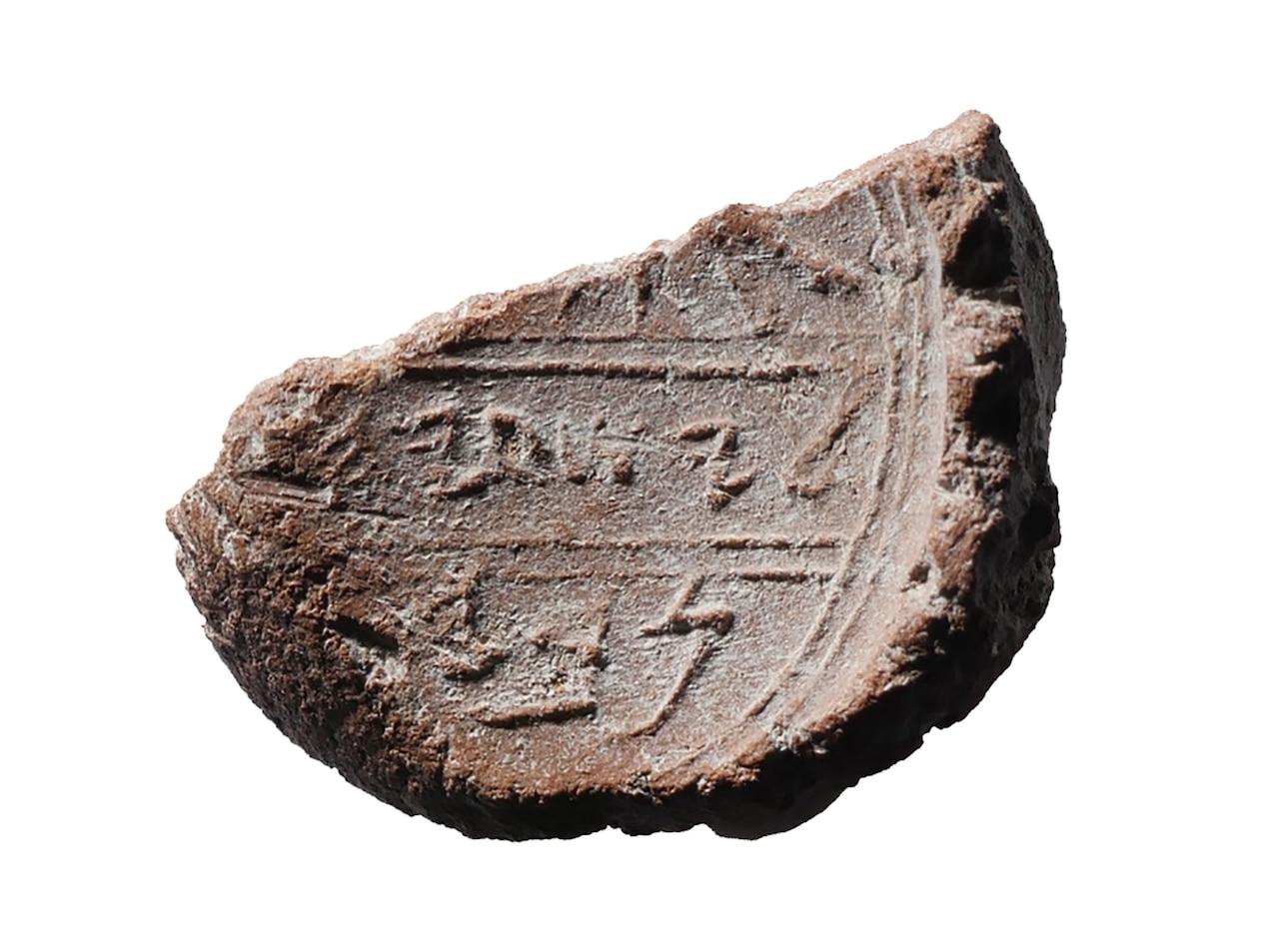
Even though the Bible provides evidence about Isaiah, there has never been physical evidence of his existence until now. For the first time in 2009, an Archeologist discovered a few articles at the Ophel excavation site in Jerusalem. Among these was a piece of clay that appears to have an inscription that reads "Isaiah the Prophet." Impressions on clay were usually created when a person would stamp their seal into soft clay to mark ownership. Because Isaiah is a rather important person in religious history, this seal is significantly important to the Jewish community and Christians.
Unfortunately, the seal is damaged and missing a few letters, which leave room for various interpretations. Some may argue that the word prophet would not have followed the personal name without the article "the"; therefore, this seal cannot possibly be the property of the famous prophet. However, others may argue that some seals, instead of identifying the owner by his profession, they would identify them by the father's name, for example, Isaiah "son of" X; therefore, this seal could may as well be following this particular format.
While there are many different theories going around, there's one in particular that is interesting, only because it comes from a rather self-described skeptic. His name is Robert Cargill, a professor at the University of Iowa that has spent a lot of his time investigating and exposing false archeological claims has said that he believes that the seal found is "the first and extra-biblical reference to the prophet."
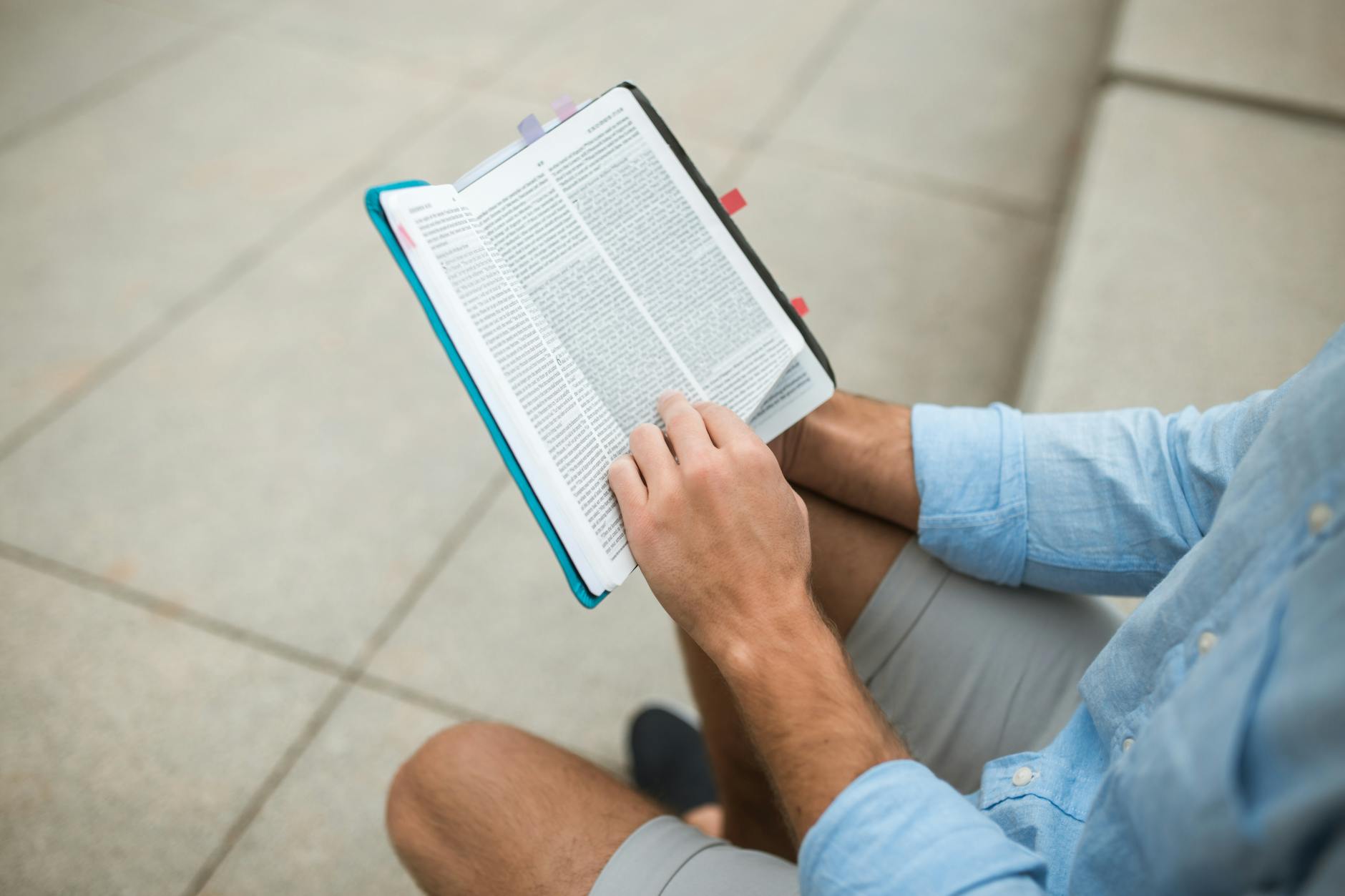
I still remember the first time I read about Isaiah's prophecy in Isaiah 9:6-7, which says, "For to us a child is born, to us a son is given, and the government will be on his shoulders. And he will be called Wonderful Counselor, Mighty God, Everlasting Father, Prince of Peace." I was struck by the accuracy of the prophecy and how it aligns with the life and teachings of Jesus. This experience deepened my understanding of the significance of Isaiah's writings and the importance of exploring the historical context surrounding his life and work. For instance, I recall a conversation with a friend who was struggling to understand the concept of Jesus as the Prince of Peace, and how Isaiah's prophecy helped clarify this idea for her - it was a powerful moment that highlighted the enduring impact of the prophet's words. As I continued to reflect on this, I found myself drawn to other passages, such as Isaiah 40:31, which reminds us "but those who hope in the Lord will renew their strength," a promise that has been a source of comfort in my own life during challenging times.
Whether or not this seal belonged to the biblical figure or another individual with the same name is impossible to determine due to the missing letters. However, the site where the seal was discovered leaves the door open for the possibility that this was, in fact, a significant artifact connected to the prophet's life. As I reflect on the discovery, I am reminded of the prophet's own words and the trust we place in the Lord's plan, even when the details are unclear.
We rely on the evidence provided in the Bible, and by doing so, we follow the voice of the Lord, trusting in His word to guide us through life's journey, just as it is written in Proverbs 3:5-6, "Trust in the Lord with all your heart and lean not on your own understanding; in all your ways submit to him, and he will make your paths straight."