Last Tuesday, I sat in my kitchen at 7:15 PM. The house was quiet except for the hum of the fridge and the low buzz of the television in the next room. I was holding a plate with a sandwich on it—cold leftover pasta, really—and I just stared at it. Not because I was hungry. Because I felt alone in the room even though my kids were just down the hall playing video games.
It’s a feeling that creeps up on you when the days get shorter and the light fades earlier. You look at your meal, or your life, and you wonder if it’s enough. If you are enough.
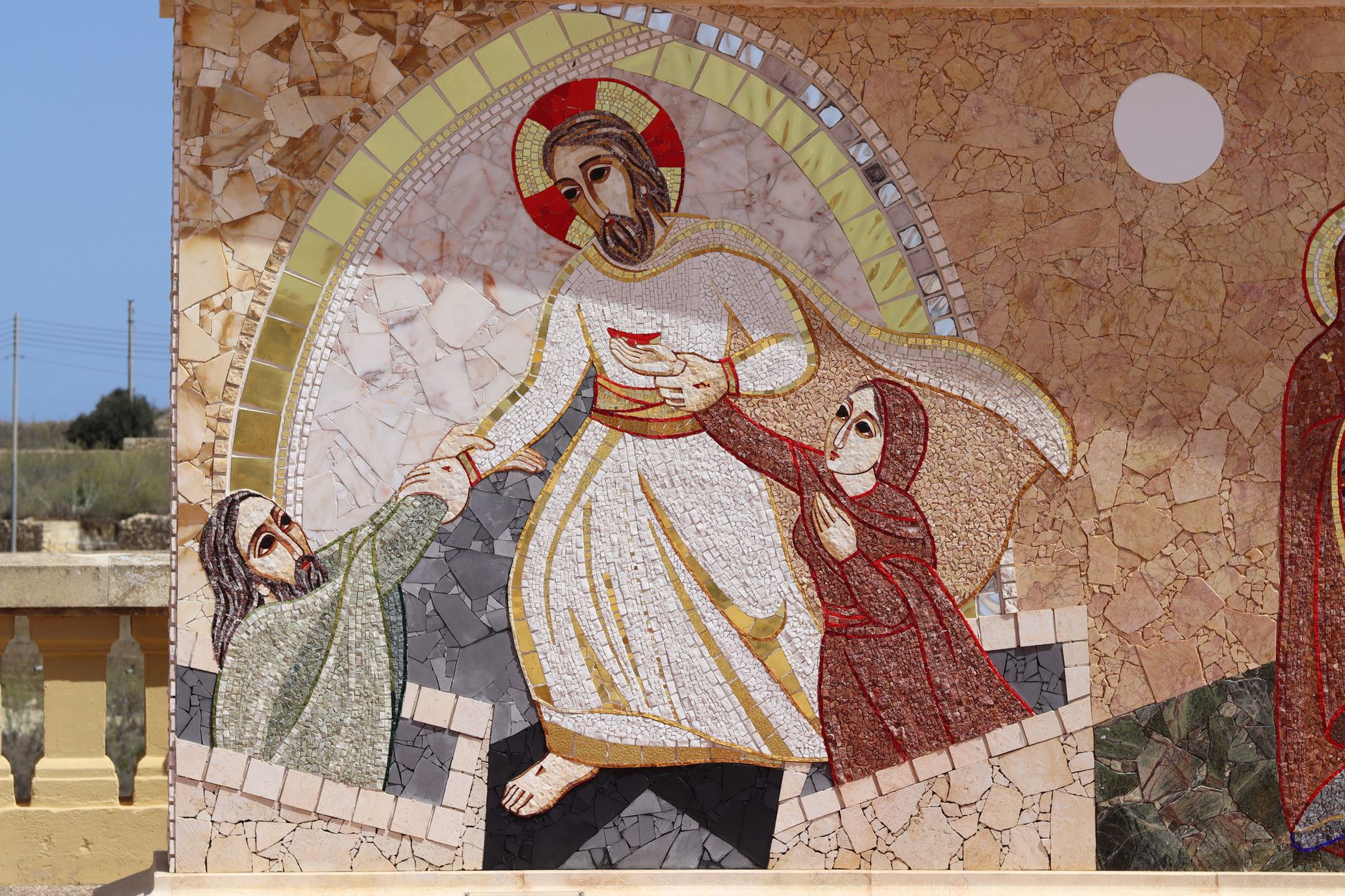
We talk a lot about the Last Supper as a theological event. We memorize the verses, we sing the hymns, we follow the liturgy. But I’ve found that when I strip away the ritual, what remains is a table. A group of people who were about to lose everything, sitting together, breaking bread in the dark.
It wasn’t a perfect moment. There was betrayal in that room. Fear. Confusion. And yet, they broke the bread together.
That’s what I want to talk about today. Not just the theology of communion, but the messy, human reality of eating together when things are falling apart.
Is Communion Just a Ritual I Have to Go Through?
Honestly? Sometimes it feels like that. Like a checkbox. You put on your "church face," you stand up, you take the element, you sit down. It can feel mechanical. Like eating dry crackers in a sterile room.
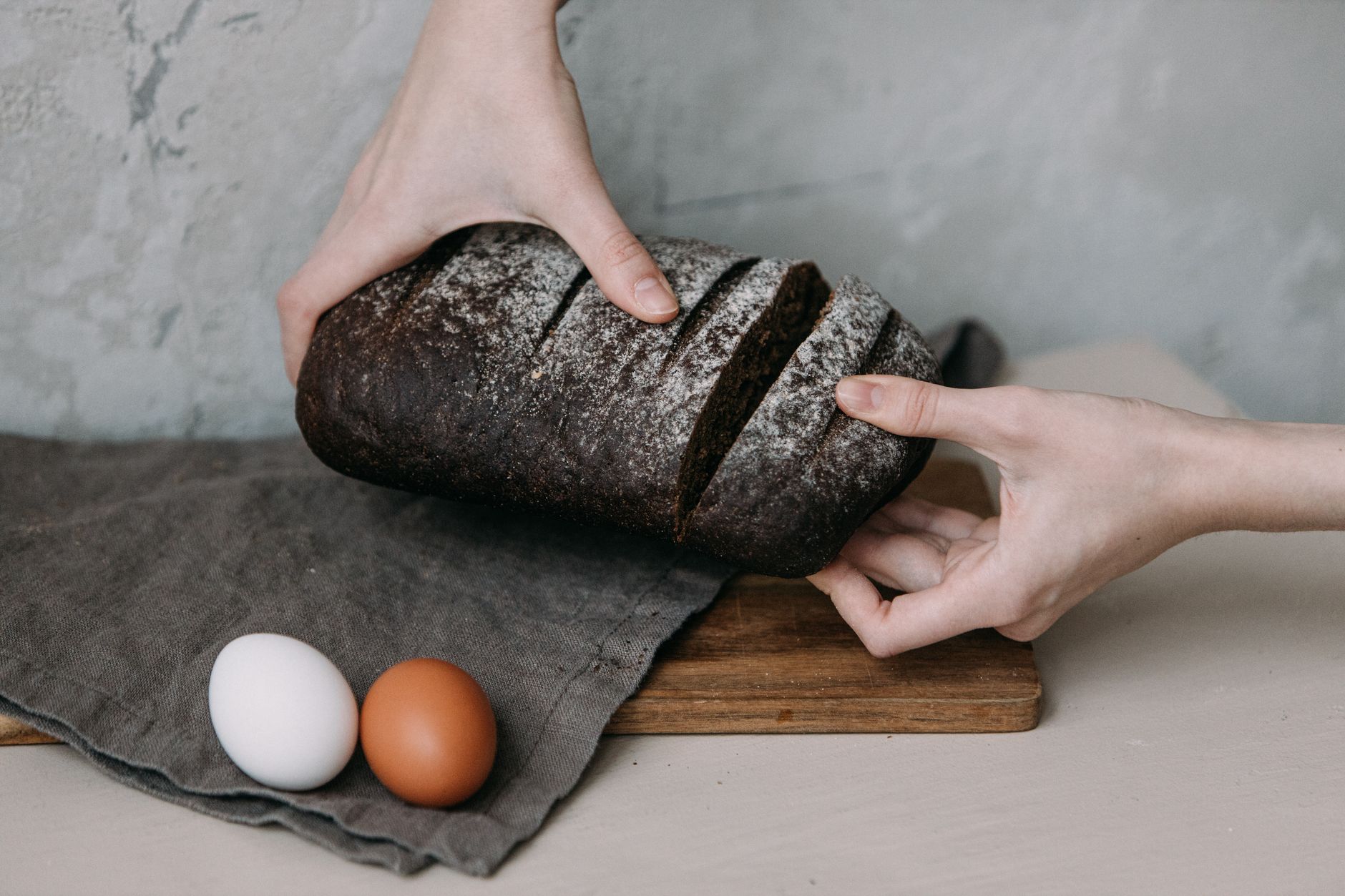
But look at what Jesus did. He didn’t just hand out food. He broke it.
— "While they were eating, Jesus took bread, and when he had given thanks, he broke it and gave it to his disciples, saying, 'Take and eat; this is my body.'"
That verb—broke—is crucial. You can’t break whole bread. It’s intact. Whole things are safe. Whole things are manageable. But broken bread is exposed. It’s vulnerable. The inside is out in the open.
Jesus took His wholeness—His life, His body—and broke it so we could be fed. It’s a violent act of love.
I used to think communion was about me receiving grace from God like a vending machine dispensing snacks. I insert my faith, I get the nugget of grace. But what if it’s actually about relationship? What if the point isn’t just that I get fed, but that I am feeding others?
When you break bread in a community, you are admitting you cannot do this alone. You are saying, "I am broken. I need help picking up the pieces." It’s not a performance of perfection; it’s an admission of dependence. And that is terrifying, isn’t it?
Why Does It Hurt to Sit With People Who Are Still "Whole"?
Here’s the thing about community that nobody warns you about. It exposes your cracks.
If everyone else seems to have their lives together—their marriages, their careers, their faith—and you’re sitting there with your own cracked bread, it can sting. You start comparing your crumbs to their loaf.
But I’ve realized that "wholeness" is often an illusion. The person next to you who seems so put-together? They’re probably just better at hiding the cracks.
— "Two are better than one, because they have a good return for their labor: if either of them falls down, his companion can help him up."
That verse is older than Christianity, but it fits that final meal perfectly. Jesus gathered His disciples not because they were strong, but because they needed each other to stay upright when the wind picked up.
I remember a time, maybe two years ago, when I was going through a season of deep spiritual dryness. I sat in the back row during communion, feeling like a fraud. The person next to me was a elderly woman I’d never spoken to before. She didn’t look at me with pity. She just… shared the space. And in that small, silent sharing, I felt less alone.
We build compassionate communities not by fixing each other’s problems, but by sitting with them in the mess. We don’t have to solve their pain. We just have to not look away from it.
How Do I Keep Showing Up When It Feels Uncomfortable?
This is the hard part. The "and."
— "A new command I give you: Love one another. As I have loved you, so you must love one another. By this everyone will know that you are my disciples, if you love one another."
Love is not a feeling. It’s an action. It’s choosing to sit at the table with people who are different from you, who challenge you, who maybe don’t always agree with your theology or your politics. It’s breaking bread with people whose lives look nothing like yours.
I’ll admit it: I sometimes dread the small talk after service. The "How was your week?" that feels performative. But I’ve learned to lean into the awkwardness. Because when it’s easy, we’re probably not going deep enough.
Compassionate communities are built in the friction. In the moments where we have to say, "I don’t know," or "That’s hard for me." It’s in the shared silence when words fail.
It reminds me of those late-summer dinners where you’re tired, the food is simple, and nobody is trying to impress anyone. Just people eating together because it’s what you do when you care for each other, even when the energy is low.
We prepare for the harvest by tending to the soil. We tend to the community by showing up, even when it’s inconvenient. Even when it’s uncomfortable.
What Does It Mean to Be "Broken" With Others?
Let’s bring this back to the bread.
— "Because there is one loaf, we who are many are one body; for we all partake of the one loaf."
One loaf. Many people. One body.
That’s a powerful image. It means my hunger is connected to your fullness. My brokenness is part of the whole loaf, not separate from it.
I think we often fear that our brokenness will make us unlovable. That if people really saw the cracks, they’d walk away. But that’s not how those final hours in the upper room worked. Jesus didn’t wait for Peter to stop denying Him before He loved him. He didn’t wait for Judas to fix his betrayal. He broke the bread in the middle of it all.
So, maybe the goal isn’t to become unbreakable. Maybe the goal is to break together.
I’m thinking about my own life right now. There are areas where I’m crumbling. And instead of hiding them, I’ve started naming them to trusted friends. "I’m struggling with this." And the response is rarely a fix. It’s usually, "Me too," or "I'm praying for you."
That’s enough. That’s the harvest of compassion. It’s not a grand gesture. It’s two people, sitting at a table, sharing the weight of things that are heavy.
As the days get shorter and the nights cooler, I’m reminded that we don’t have to face the dark alone. We just have to keep breaking bread.
Lord, I’m tired of pretending I’ve got it all figured out. My bread is cracked. My faith has holes in it. But I’m here. And so are they. Help me to see them not as a performance, but as people who need the same grace I’m asking for. Help me to sit at the table, break the bread, and share it without fear. Keep us close, even when we’re awkward, even when we’re silent. In Jesus’ name, Amen.