I used to think the tongue was just a muscle. A flap of flesh that moved air, shaped vowels, and pushed out sounds. It was a biological tool, like a hammer or a spoon. If I desired to build a house, I grabbed a hammer. If I needed to feed someone, I used a spoon. If I desired to speak, I just opened my mouth and let the words come out.
It wasn’t until my twenties, sitting in a cramped apartment with a cup of coffee that had gone cold an hour ago, that I realized how much damage a few well-chosen syllables could do. I wasn’t shouting. I wasn’t even angry. I was just tired, and I was careless. I said something to my husband that was technically true, but spiritually hollow. It was a precision strike designed to hurt, not to build. He didn’t yell back. He just went quiet. That silence was louder than any scream.
I looked at my own hands, steady and capable, and wondered how the same body that could hold a Bible could also hold a grenade.
That’s the mystery James picks up in James 3. It’s one of those chapters we skim because it’s short, dense, and frankly, a bit uncomfortable. We like the idea of faith being big—mountain-moving, miracle-working faith. We rarely love the idea that our faith might be broken by something as small as our own mouth. But James doesn’t let us off the hook. He doesn’t offer a gentle platitude. He offers a radical, almost terrifying truth: the organ of speech is a fire.
(ESV) "So also the tongue is a little member, and boasts of great things. See how great a forest is set aflame by such a small fire! And the tongue is a fire, a world of unrighteousness. By means of it our whole body is set on fire, and it is set on fire by hell."
Let’s be honest. We’ve all been that small fire. You know the type. It’s the one-sentence jab in a text message that ruins your whole Tuesday. It’s the gossip disguised as "concerned prayer." It’s the sarcastic quip that feels funny in the moment but lands like a stone in someone else’s chest. James calls it Gehenna—the place of burning, the garbage dump outside Jerusalem where the fire never went out. Our words, if left unchecked, don’t just warm us. They consume.
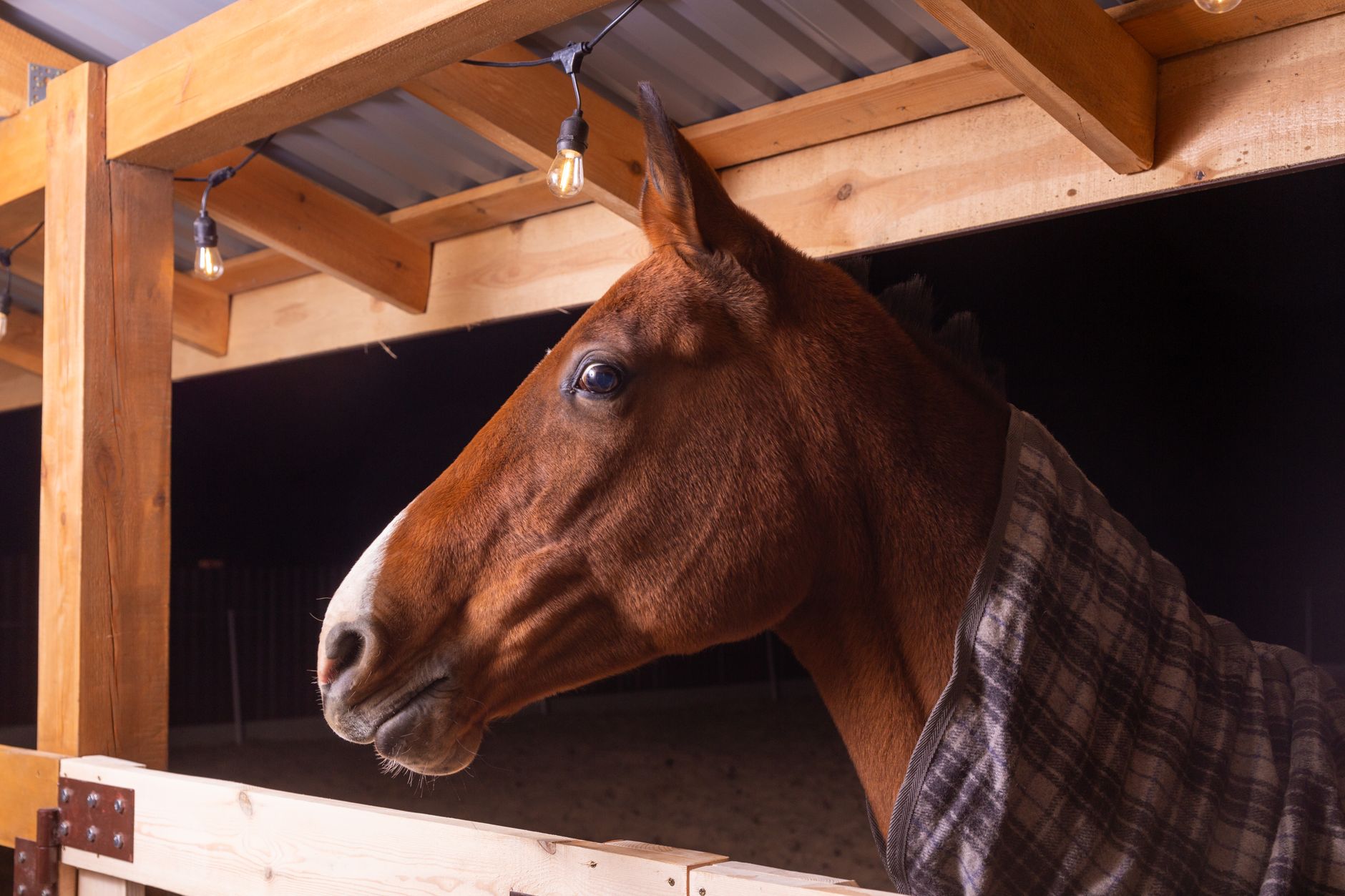
I used to read this verse and feel nothing. I’d think, Well, sure, a little gossip is bad. A little exaggeration is harmless. But James uses two specific metaphors here, and they’re not interchangeable. First, he talks about a fire. Fire is chaotic. It jumps. It spreads. It eats whatever is dry and close. Second, he talks about a rider on a horse.
(ESV) "For if anyone does not stumble in what he says, he is a perfect man, able to bridle the whole body also."
Wait, a rider? A horse? In the middle of a sermon on fire?
It seems jarring, but it’s brilliant. Think about the last time you were truly angry. Your heart hammered. Your vision narrowed. Your mouth opened before your brain had time to file the paperwork. You were the horse—powerful, forward-moving, driven by instinct. And your will? Your ability to choose? That was the reins. When we’re driven by flesh, we aren’t steering. We’re just along for the ride. The organ of speech becomes the bit in the horse’s mouth, controlling the direction of the entire beast.
But here’s the thing about horses: they’re unpredictable. And our tongues? They’re a "restless evil, full of deadly poison" (). We can tame all kinds of animals. Lions, bears, snakes. We’ve got zoos for them. We’ve got experts who can train an elephant to paint. But the organ of speech? It’s the one beast we can never fully domesticate. Not by our own power.
That’s why James immediately follows up with a paradox that sounds contradictory until you really sit with it.
(ESV) "With it we bless those who are made in the likeness of God; and with it we curse those who are made in the likeness of God! Blessing and cursing come mixed together, my brothers. These things ought not to be so."
Think about that. Mixed together.
We rarely think of it that way. We think of "blessing" as the holy stuff and "cursing" as the sinful stuff. But James says they’re in the same jar. He says we use the same organ, the same source, to praise God and to put down people.
I’ve done this. I knelt by my bed, whispered a prayer of thanksgiving to the Father, and then walked into the kitchen and spoken sharply to my kids, or muttered a cynical remark to my spouse. The blessing was real. The curse was real. They weren’t two different tongues. They were one messy, inconsistent, human tongue.
It’s like going to a spring and expecting fresh water, but getting salt instead. Or, as James says, "Can a fig tree, my brothers, bear olives, or a grapevine bear figs?" (). No. Of course not. So why do we expect a life of wisdom to produce the same fruit as a life of selfish ambition?
This is where the late summer air comes in. We’re in that season now where the light is changing. The days are still long, but you can feel the shift. The harvest is here. The apples are heavy on the branches. The fields are golden. It’s a time of gathering. And it’s a time of pruning.
If you’re a gardener, you know that pruning isn’t about hurting the plant. It’s about directing its energy. You cut back the dead wood so the living wood can produce better fruit. James is asking us to look at our "harvest" of words. What are we producing? Is it life? Or is it death?
It’s easy to say, "I’ll just try harder." But James doesn’t say, "Try harder." He implies that the source must change. You can’t fix the fruit if the root is rotten. You can’t tame the organ of speech with willpower alone. You need a new source. You need the wisdom from above.
, 17 (ESV) "Who is wise and understanding among you? By his good conduct let his good deeds be shown in the meekness of wisdom... But the wisdom from above is first pure, then peaceable, gentle, open to reason, full of mercy and good fruits, impartial and sincere."
Notice the list. Pure. Peaceable. Gentle. Open to reason.
These aren’t just nice adjectives. They’re the opposite of the "fire" James described earlier. Fire is aggressive. Fire consumes. Fire is hot. But the wisdom from God is cool. It’s gentle. It’s meek—not weak, but powerful under control.
I realized this when I stopped trying to "win" my conversations and started trying to understand them. It’s a small shift, but it changes everything. When I’m arguing, I’m on fire. I’m trying to burn through my husband’s point of view until only mine remains. But when I’m listening, really listening, I’m cooling down. I’m making space.
And that’s the secret. We don’t tame the organ of speech by clamping it shut. We tame it by letting the Holy Spirit fill the space behind our teeth. We tame it by letting the Word of God filter the impulse before it becomes a word.
It’s not about perfection. James knows we all stumble. He says, "For we all stumble in many ways" (). He’s not saying, "If you don’t sin, you’re holy." He’s saying, "If you can control your tongue, you can control your whole life." It’s the keystone. If the organ of speech is loose, the entire physical frame is loose. If the organ of speech is bridle-ed by wisdom, the whole body follows.
So, what does this look like on a Tuesday?
It looks like pausing. Just for three seconds. Before you hit send on that email. Before you snap at the barista who got your order wrong. Before you make that joke that’s been sitting on your tongue, ready to launch.
It looks like asking, "Is this true? Is this kind? Is it necessary?"
And if it’s not, let it die. Let it burn out in the fire of your silence.
I’m still learning. I still have days where my tongue is a wild beast, kicking and biting, leaving a trail of small wounds in its wake. But I’m noticing the patterns. I’m noticing that when I’m anxious, I talk too much. When I’m insecure, I compare. When I’m proud, I explain.
The harvest is here. The leaves are turning. And I’m wondering: what are you bringing forth?
Are you bearing fruit that nourishes? Or are you producing ash?
It starts with the source. It starts with the wisdom from above. And it starts right now, with the next word you choose to speak.
So, here’s the question I’m sitting with this week, as the light fades a little earlier each day:
When you speak, are you building a bridge, or are you digging a hole? And more importantly, who is holding the reins?