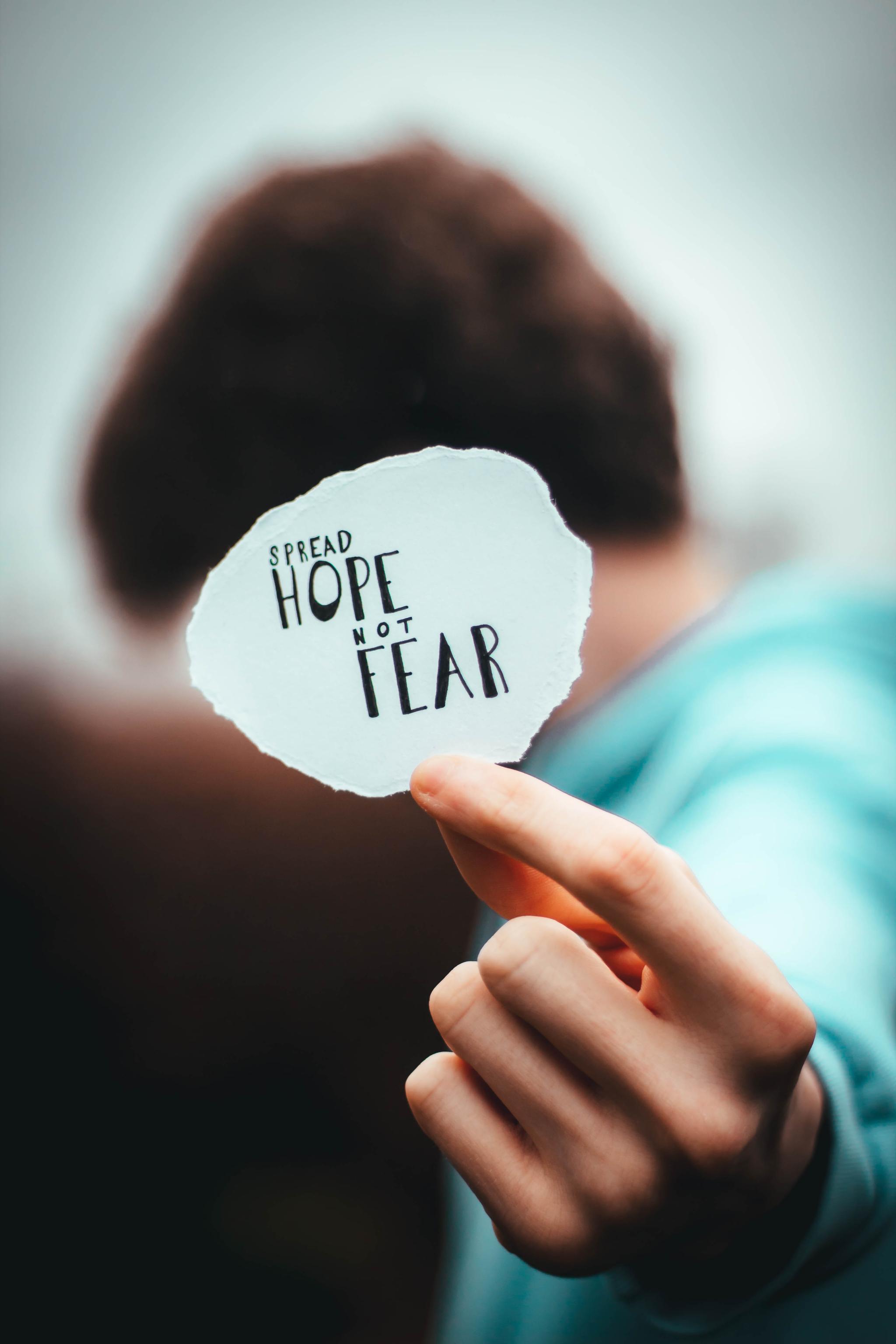
When crisis hits, particularly in the current state of affairs we are in. High levels of anxiety from the pandemic and all the chaos cause by the protests leads us to violence and a great disrespect for our communities. We all deserve respect and protection; whether we are civilians or law enforcement officers, all human life is sacred and it must be protected.
We may find ourselves struggling to forgive those that have hurt us. We experience such severe heartbreak that forgiving is the last thing we want to do but we have got to forgive, spread hope in our communities and regain focus on the positive aspect of things and what is important to us.
We are always given a choice, forgive and have the opportunity to accept God’s grace and continue to move forward or seek revenge which is not the right thing to do particularly in the current crisis situation we are facing. We all watch the news, we listen to all the information coming through all the different media platforms and we are well aware of the issues around the world. We learn about poverty and hunger, we learn that people are dying all over the world and not only from the novel Corona virus but from all kinds of diseases like cancer, heart attacks, even obesity which by the way, affects a great number of young people, we also learn that there are millions of people still enslaved today. Life is extremely complicated to say the least, we know what the problems are and we may even know how to fix them but many times we refuse to face complexity.
Bad news are trying to dominate our lives but what the world needs now is to stand strong and stay optimistic.
Nowadays there is a lot of information available to us and it is striking that with all that knowledge we are still unable to find solutions. We all want the world to change, we all want violence to end, and sometimes it feels like things are not changing or changing very little. While change is possible, even in the current conditions, we need to want the change, we need to be the change we want to see in the world. Staying positive opens up the possibility of change and believing in change is the beginning of hope, it opens up our mind to envisioning a positive outcome which is ultimately what we all want.
Spreading fear is cheap and efficient and it also breeds on ignorance. Hope provides strength and courage. If we spread hope we can transform any challenging situation into positive actions which in turn will bring the changes the world needs. Moreover, it is in our best interest to spread hope because it motivates us to be better and allows us to see the possibilities for a better future that reason alone cannot explain.
We need hope, we need courage and we need each other. Let us spread Hope because Hope embraces the fact that our actions can produce change.
During this time, our society is in much need of prayers, prayers for all of those whom have been negatively affected, for those who have lost their family, for the ones who have lost hope and the ones who struggle to forgive, prayers for peace among the chaos.
God, in the midst of adversity please give us peace which in these days is something the world cannot give. Let us be touched by your grace to accept your love in our hearts so we may see beyond the boundaries of race and religion. Grant your grace to those who have anger and seek revenge so they may convert to the path of peaceful dialogue. Please give strength to those that are frightened and comfort those who have been shaken by tragedy. Dear God, you are our hope in the storm, please let your Spirit keep us from all the terrible happenings and fill us with faith, helps us show your kindness to all in need. In Jesus’ name, Amen.
Cultivating Resilience through Prayer and Reflection
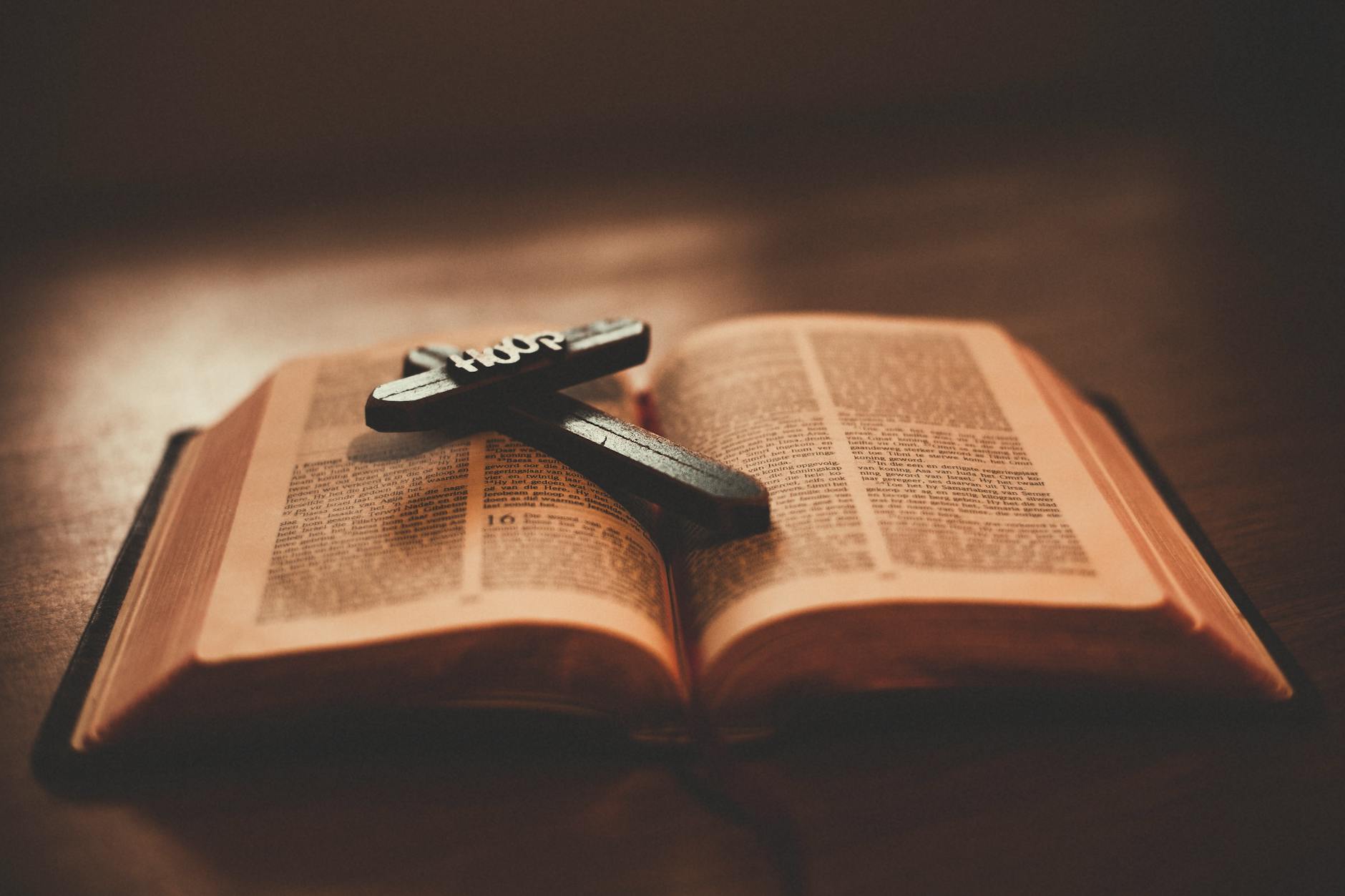
In times of crisis, it's easy to feel overwhelmed and uncertain about the future. However, as we seek to spread hope and not fear, we can draw strength from the practice of prayer and reflection. For Christians, prayer is a powerful way to connect with God and find comfort in His presence. As the Psalmist writes, "The Lord is near to the brokenhearted and saves the crushed in spirit" (Psalm 34:18). By taking time to pray and reflect on our values and goals, we can cultivate resilience and hope, even in the midst of challenging circumstances.
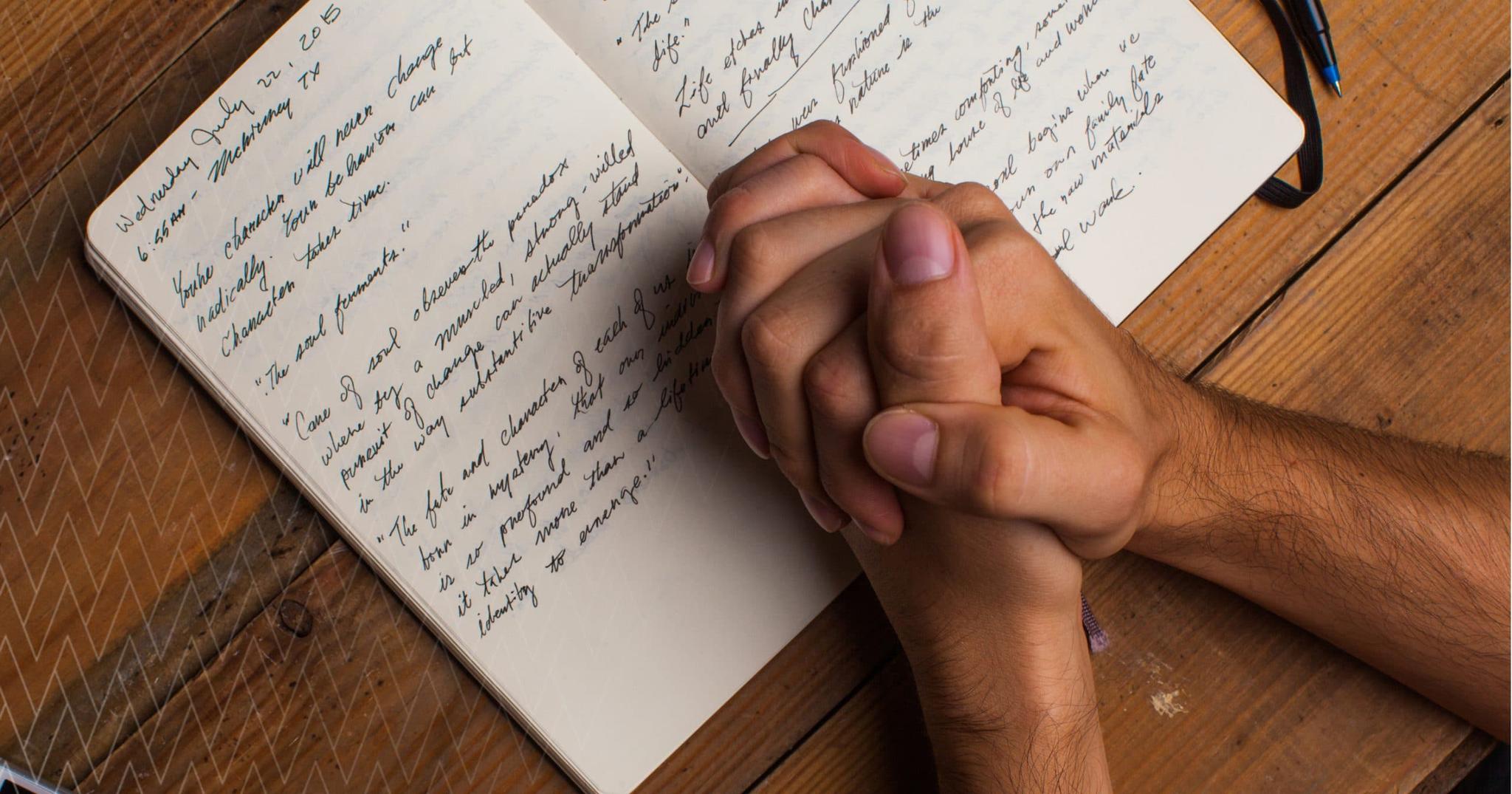
One practical way to integrate prayer and reflection into your daily life is through a simple yet intentional practice called "examen." Developed by St. Ignatius of Loyola, the examen involves taking a few minutes each day to reflect on your experiences, thoughts, and emotions. You can ask yourself questions like: What am I grateful for today? Where did I feel God's presence? What challenges am I facing, and how can I approach them with faith and courage? By regularly practicing the examen, you can deepen your sense of connection to God and to yourself, and develop a more hopeful and resilient outlook on life.
As you seek to cultivate resilience through prayer and reflection, remember that you're not alone. Many spiritual traditions emphasize the importance of taking time for introspection and contemplation. Whether through prayer, meditation, or journaling, taking moments to reflect on your journey can help you stay grounded, focused, and hopeful. As you navigate times of crisis, may you find comfort in the words of the prophet Isaiah: "The people who walk in darkness will see a great light; those who dwell in a land of deep darkness, on them has light shone" (Isaiah 9:2). May you walk in the light of hope and love, and may your heart be filled with peace and resilience.
Embracing Interfaith Unity in Times of Crisis
The Bible reminds us that "God is our refuge and strength, an ever-present help in trouble" (Psalm 46:1). Yet, in times of crisis, it's not just our individual faith that sustains us, but also the collective support of our communities. When we come together with people from diverse spiritual backgrounds, we can build a powerful network of hope and resilience. By embracing interfaith unity, we can break down barriers and foster a deeper understanding of one another's perspectives, values, and beliefs.
What if we could harness the power of interfaith dialogue to create a wave of compassion and kindness that spreads far beyond our immediate circles? The answer lies in our willingness to listen, learn, and grow together. Jesus taught us to "love our neighbors as ourselves" (Mark 12:31), and this commandment knows no religious boundaries. By engaging in open and respectful conversations with people from other faith traditions, we can discover common ground and shared values that unite us in our pursuit of peace, justice, and human dignity.
So, how can you put this into practice? Start by seeking out interfaith events, workshops, or community initiatives in your area. Volunteer with organizations that bring people together across religious lines, or participate in online forums and discussions that explore the intersections of faith and social justice. Remember, every small act of kindness, every gesture of goodwill, and every prayer offered on behalf of others has the potential to ripple out and inspire positive change. As the apostle Paul wrote, "Let us not become weary in doing good, for at the proper time we will reap a harvest if we do not give up" (Galatians 6:9).
Frequently Asked Questions
Q:How can I spread hope to others when I'm struggling with my own fears and anxieties?
Remember that you don't have to have it all together to spread hope. As 2 Corinthians 1:4 reminds us, God 'comforts us in all our troubles, so that we can comfort those in any trouble with the comfort we ourselves receive from God.' Share your story, listen to others, and offer a supportive presence. By doing so, you can create a ripple effect of hope and kindness.
Q:What role can prayer play in helping me stay focused on hope and positivity during difficult times?
Prayer is a powerful way to cultivate hope and resilience. As Philippians 4:6-7 encourages us, 'do not be anxious about anything, but in every situation, by prayer and petition, with thanksgiving, present your requests to God.' Take time each day to pray, reflect on Scripture, and seek guidance from a higher power. This can help you stay grounded and focused on the good, even in the midst of challenges.
Q:How can I balance the need to stay informed about current events with the risk of getting caught up in fear and negativity?
It's essential to stay informed, but not at the expense of your mental and emotional well-being. Set boundaries around your news consumption, and make time for activities that nourish your mind, body, and spirit. As Matthew 22:37-40 reminds us, loving God and loving our neighbors requires us to prioritize what's truly important. By doing so, you can stay engaged with the world without getting bogged down in fear and negativity.
Q:What are some simple ways to practice gratitude and positivity in my daily life?
Start small by keeping a gratitude journal, writing down three things you're thankful for each day. You can also practice mindfulness, take time in nature, or engage in acts of kindness and service. As 1 Thessalonians 5:18 encourages us, 'give thanks in all circumstances.' By focusing on the good and cultivating a sense of gratitude, you can shift your perspective and spread hope to those around you.