God’s mercy does not stay clean; it gets messy, bloody, and smells like wine and oil.
We often treat the Parable of the Good Samaritan () as a moral lesson about kindness. We highlight the priest and the Levite. We praise the Samaritan. We move on. But if you look closer, you see a meal being prepared. You see a body being bound up. You see a road turning into a table. This isn’t just a story about a guy helping a stranger. It’s a recipe for how to live when the year is running out and your hands are tired.
The Priest Who Skipped Dinner
Let’s look at the first angle: the shame of the religious elite.
The priest and the Levite didn’t just walk past. They saw him. They knew who he was. And they crossed to the other side of the road. Why?
In that culture, touching a dead body made you ceremonially unclean. If you touched a corpse, you couldn’t enter the Temple until you were purified. So, by helping the man, they risked missing the Sabbath service. They chose their ritual purity over the man’s physical survival. They prioritized the schedule over the soul.
This is the first lens. It’s about the danger of performance. We do this all the time. We keep our lives spotless so no one has to ask us for anything. We polish our plates and hide the crumbs. We say we’re busy with worship, but really, we’re just trying to avoid the inconvenience of love. The priest wasn’t bad because he was mean. He was bad because he was polite. He kept his distance. And in that distance, the man bled out.
The Cost of the Bandages
Now, zoom in. Look at what the Samaritan actually did.
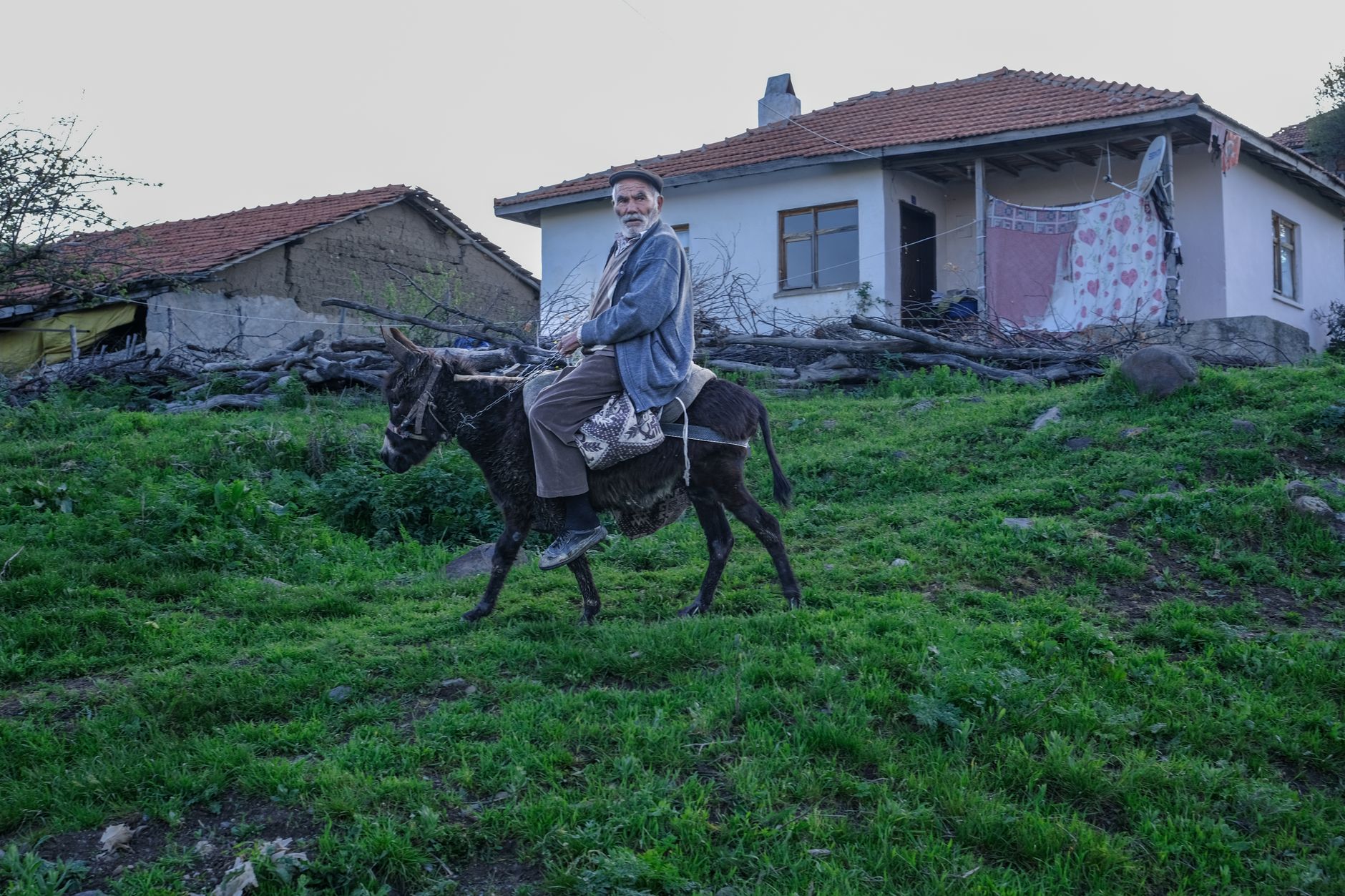
He put the man on his own animal. He brought him to an inn. He stayed. But the most important part? He took care of him.
How?
He bought oil and wine.
Think about that. In the ancient world, wine and oil weren’t just food items. They were medicine. Wine was an antiseptic. Oil was used to bind wounds and soothe skin. When the Samaritan bought these things, he wasn’t buying dinner. He was buying healing. He was creating a pharmacy on a budget.
And here’s where it gets personal. I’ll be honest. For years, I read this verse and felt nothing. I thought, “Okay, be kind.” Done. I didn’t realize I was skipping the cost. The Samaritan paid for the wine. He paid for the oil. He paid for the animal. He didn’t expect the man to pay him back. He just expected the man to live.
That’s the second lens. It’s about the price of grace. Grace isn’t free. It costs someone everything. And usually, that someone is you. You are the one holding the oil. You are the one pouring the wine. You are the one with the dirty hands. And that’s okay. That’s the point. The good smell isn’t required. The clean clothes aren’t required. The presence is required.
The Innkeeper’s Ledger
Finally, look at the destination.
The Samaritan brought the man to an inn. An inn in those days was a place of rest, yes, but also a place of transaction. The innkeeper had a ledger. He tracked who was staying, how long they were staying, and what they owed.
When the Samaritan said, “I will take care of him,” he was essentially signing a contract. He was taking on the debt. He was saying, “The bill is mine. The room is mine. The food is mine. Just heal.”
This is the third lens. It’s about the hospitality of heaven. We think of God as a judge. We’re right. He is. But we forget He’s also an innkeeper. He’s the one who prepares the room. He’s the one who lays the bed. He’s the one who brings the water. He’s the one who waits by the door when you finally show up, battered and bruised, asking if there’s still a room left.
And the answer is always yes.
There is always a room. There is always bread. There is always wine for the wound. You don’t have to earn it. You don’t have to perform for it. You just have to arrive. You just have to sit down. You just have to let them pour.
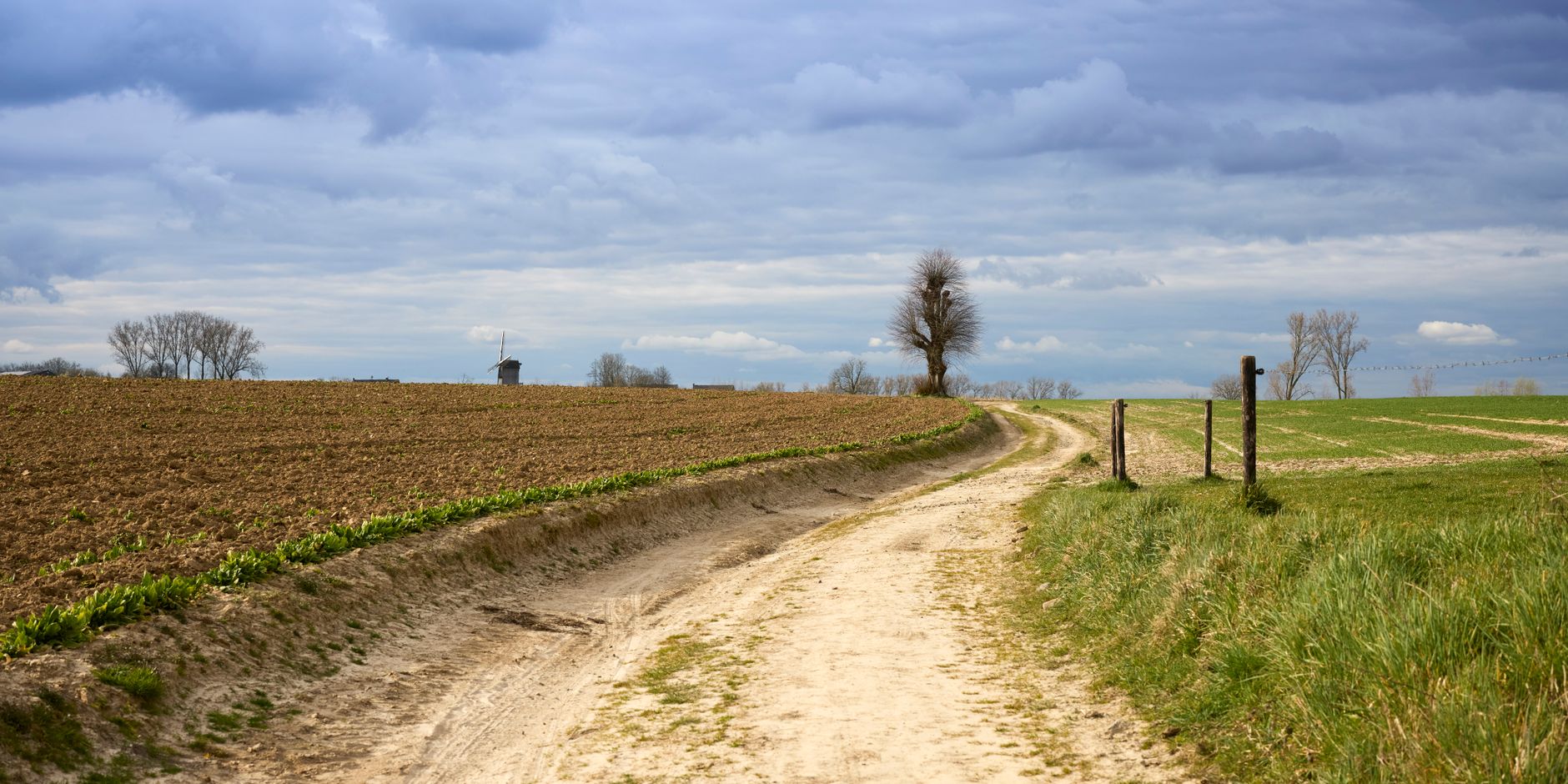
The year is ending. The roads are muddy. The leaves are brown and brittle underfoot. It’s a good time to check your supplies. Are you carrying oil? Are you carrying wine? Have you got the strength to tie the bandage?
Don’t wait until you’re the one on the ground. Be the one walking the road. Be the one with the clean cloth. Be the one who doesn’t cross to the other side.
Because the best food isn’t served in a palace. It’s served at a table. And the best guests aren’t the rich ones. They’re the broken ones.
Go eat. Go drink. Go heal.
— "He went to an inn, took care of him, and on the next day he gave the man two silver coins, telling the innkeeper to take care of him and to give him whatever else was needed."