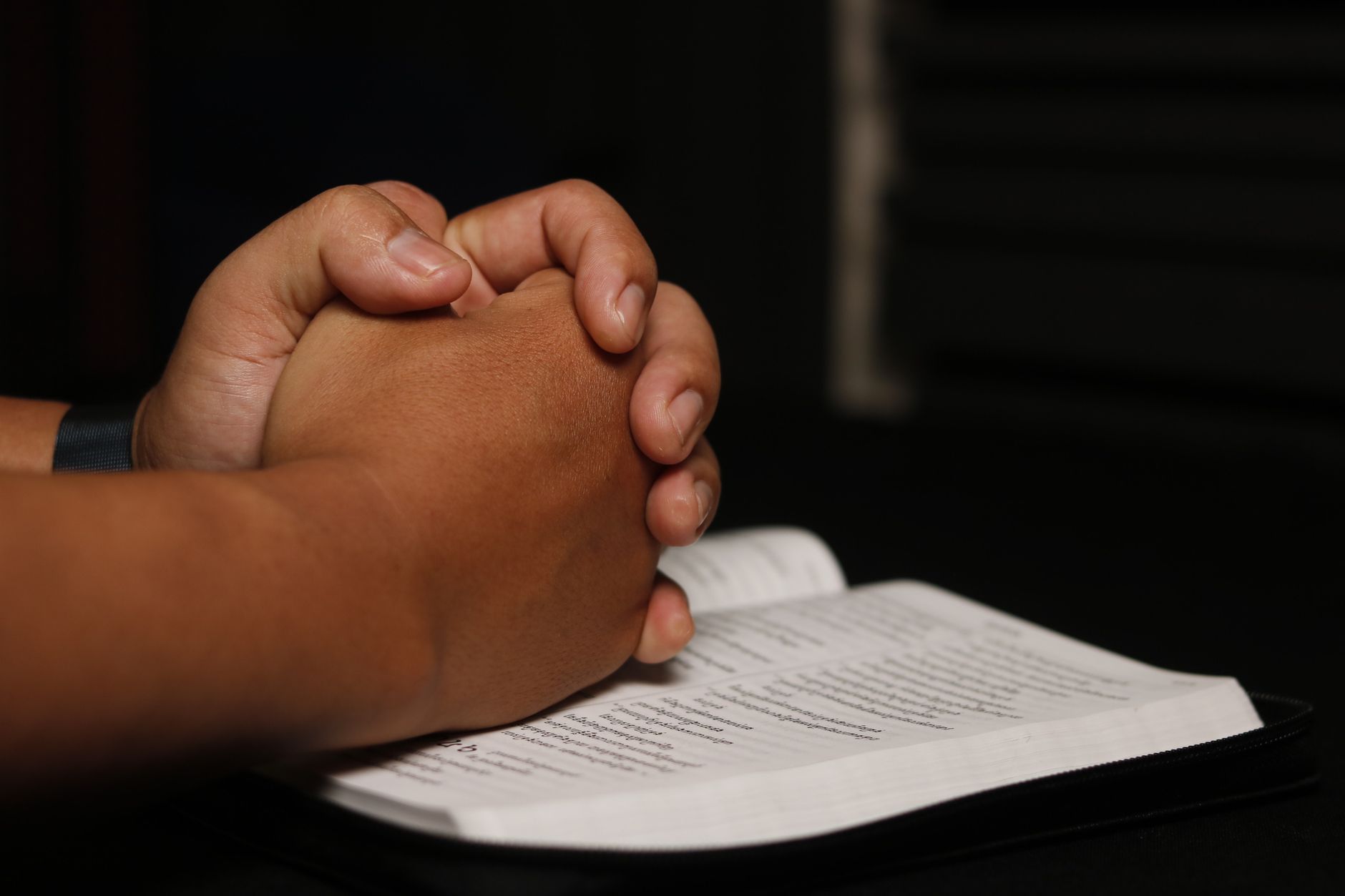
Your Story Isn’t Finished: Why You Don’t Owe Anyone a Happy Ending Yet
Have you ever walked out of a church service, or maybe just finished a conversation with a well-meaning friend, and felt the crushing weight of an unspoken expectation? That you should be healed. That you should have your testimony ready. That the chaos in your life needs to be packaged into a neat little narrative arc where God is clearly in control and everything worked out for the best.
If so, you’re not alone. And if that feeling sat in your stomach like a stone last Sunday, we need to talk about witness. Not the polished kind you see on social media highlight reels. The real, messy, sometimes unfinished kind.
Is My Pain Actually a Testimony?
This is the question that haunts so many of us. We look at the stories in Scripture—Paul’s conversion on the road to Damascus, Peter walking on water (briefly), or even Job’s eventual restoration—and we think, Okay. If I’m suffering, it must be for a reason. It has to lead somewhere redemptive.
But here is the hard truth: not every pain points straight to glory. Sometimes, pain just is.
I’ll be honest with you. There have been seasons in my life where I looked for the "silver lining" and found only dust. I wanted to write a chapter in my spiritual memoir that said, "And then God redeemed the loss of my job," or "God healed my marriage." But for a long time, I didn’t have a redemption story. I just had the loss.
It’s easy to mistake endurance for evidence. We think that if we survive the storm, the survival is the proof of God’s presence. And often, it is. But sometimes, God’s presence is found in the storm itself—not after it clears.
Consider what Jesus said to his disciples when they were terrified by the wind and waves: — "But he got up and rebuked the wind and said to the waves, 'Peace! Be still!' Then the wind ceased and there was a great calm."
Notice that Jesus didn’t say, "Be still until this makes sense to you." He said, Peace. Be still.
Your testimony doesn’t have to be a logical proof of God’s goodness. Sometimes, your witness is simply the fact that you are still here. Still breathing. Still choosing to trust a God who doesn’t always explain the "why." That is enough.
Does Witnessing Mean I Have to Be Positive?
There’s a cultural pressure in Christian circles that feels almost suffocating. We treat "witnessing" like a performance review. If you’re sad, you’re not witnessing well. If you complain, you’re lacking faith.
Let’s pop that bubble.
Witnessing isn’t about projecting a facade of unshakeable joy. It’s about presence. The Greek word for witness, martyr, literally means one who stands alongside. It’s about bearing witness to the truth of God in a broken world. And the truth is, life is broken.
If you pretend everything is fine when it isn’t, you’re not really witnessing to God’s character. You’re witnessing to your own need for control.
Think about the Psalmist. He doesn’t mince words. He screams, he cries, he questions. — "How long, O Lord? Will you forget me forever? How long will you hide your face from me?"
David wasn’t performing. He was honest. And in that raw honesty, there’s a more powerful witness than any polished sermon. When you tell someone, "I don’t know why this is happening, but I’m not alone in it," you’re offering something far more valuable than a generic "God is good." You’re offering community. You’re saying, I see you in your pain.
What Does a "Real" Witness Look Like When It’s Messy?
We often imagine testimony as a highlight reel. The before and the after. The crisis and the resolution.
But life doesn’t always resolve neatly. Sometimes, it just changes shape.
Look at the early church in Acts. They didn’t have a marketing plan. They didn’t have a brand identity. They just... shared life. — "Day by day, as they persisted in praying together, they continued to meet in the temple, and breaking bread from house to house, they ate their food with glad and generous hearts. And God added to their number day by day those who were being saved."
Notice what’s missing. No one is telling a dramatic story. They’re eating bread together. They’re praying. They’re showing up.
That’s the kind of witness that sticks. It’s not the big speech at the conference. It’s the quiet, consistent act of showing up for someone when it’s hard to do so. It’s sitting in a hospital chair and not saying anything profound, just holding a hand.
I used to think my witness had to be vocal. I needed to say something. But lately, I’ve realized that my witness is often just... being there. Being present in the mess without trying to fix it immediately. That’s a radical act of trust, too.
How Do I Share My Story Without Burdening Others?
This is the practical hurdle. We love people, but we also have boundaries. And sometimes, sharing your deep pain can feel like dumping a bucket of water on someone who is already holding their breath.
Here’s the thing: you don’t owe anyone your full testimony.
You can witness to God’s faithfulness without dissecting every wound. You can say, "I’m trusting God through this," without explaining the trauma that led to it.
Sometimes you need to process in prayer, with your pastor, or with a trusted friend. And sometimes, that’s the only witness you need to offer to the world: your quiet reliance on God.
You are not a prop in someone else’s faith journey. Your story belongs to you, and it belongs to God.
A Concrete Step for This Week
The leaves are changing outside. The year is turning, and with it comes a natural rhythm of release and gratitude. It’s a good time to look at what you’re holding onto.
Here is your action for this week: Identify one person in your life who is currently going through a hard season. Don’t send them a quote about hope. Don’t send them a link to an inspirational video.
Just call them. Or text them. And say this: "I was thinking of you today. I’m not trying to fix anything, but I want you to know I’m here."
Then, stop talking. Let the silence sit there for a second.
That’s your witness. That’s enough.