Christian Prayer Rituals
Prayer is a fundamental aspect of Christian faith, and the practice of prayer has been an integral part of the Christian tradition for centuries. Throughout history, different Christian communities have developed their own unique prayer rituals, ranging from formal liturgies to personal conversations with God. In this article, we will explore the different types of Christian prayer rituals and their significance in the Christian faith.
Liturgy
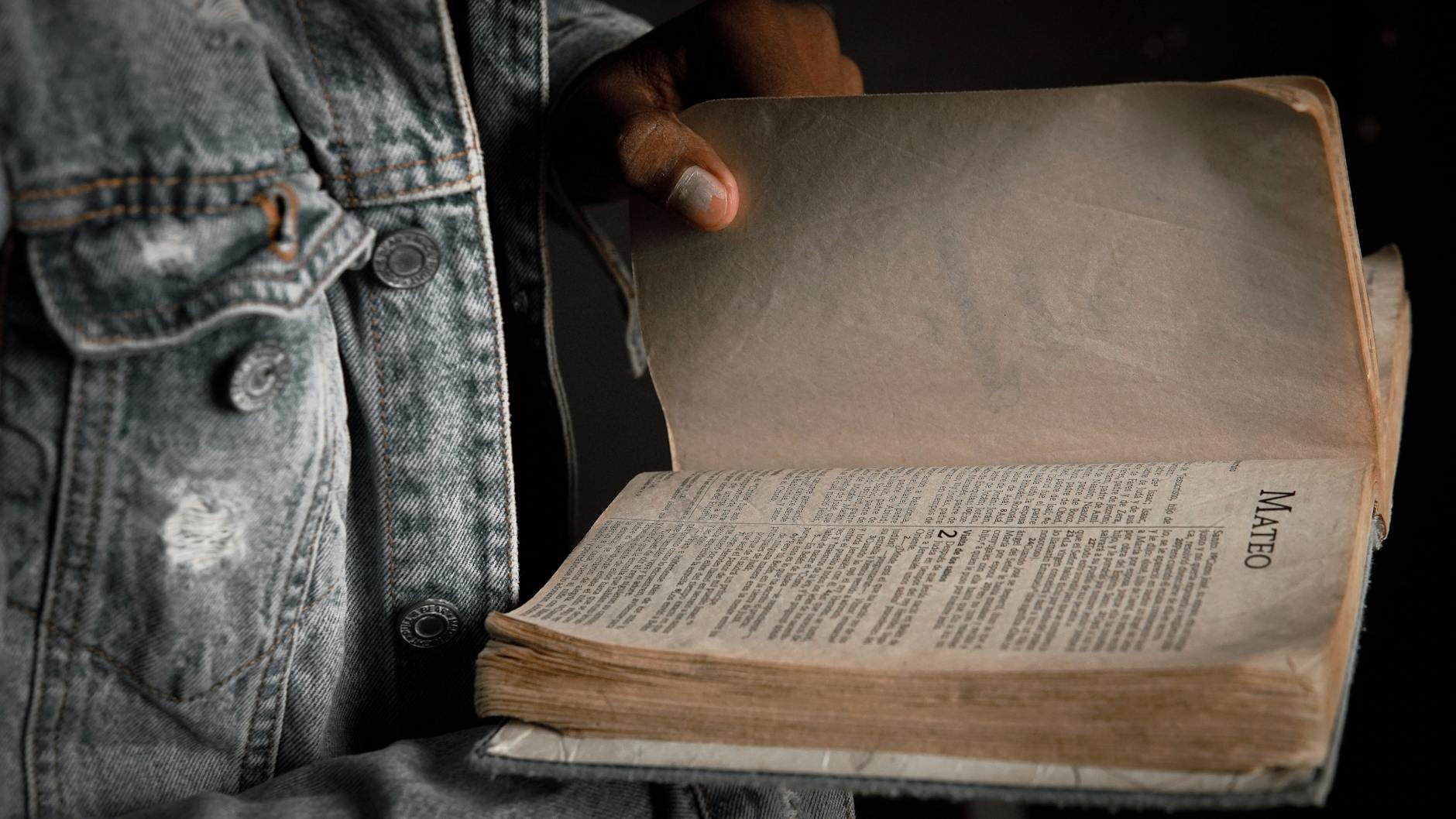
Liturgy is a formal service of worship that is conducted by a priest or minister in the presence of the congregation. The word "liturgy" comes from the Greek word "leitourgia" which means "public service." Liturgies are typically rooted in the ancient rituals of the Church and are based on the belief that God is present in the community of believers. Liturgies are often accompanied by music, readings from the Bible, and prayers that are chanted or spoken aloud. Some examples of liturgies include the Mass, the Divine Service, and the Eucharist.
Liturgies have been an essential part of Christian worship for centuries, and they have helped to unify the community of believers around a shared set of beliefs and practices. Liturgies offer a structure and order to the worship service, which can be comforting to those seeking a deeper connection with their faith. For instance, I recall attending a liturgy at a local church, where the collective energy of the congregation created a strong bond among the people. However, certain individuals might find liturgies too formal or rigid, and instead, they might be drawn to a more informal or personal way of communicating with God. I've seen this in my own life, where a quiet moment of reflection after a long day can be just as meaningful as a formal service.
Personal Prayer
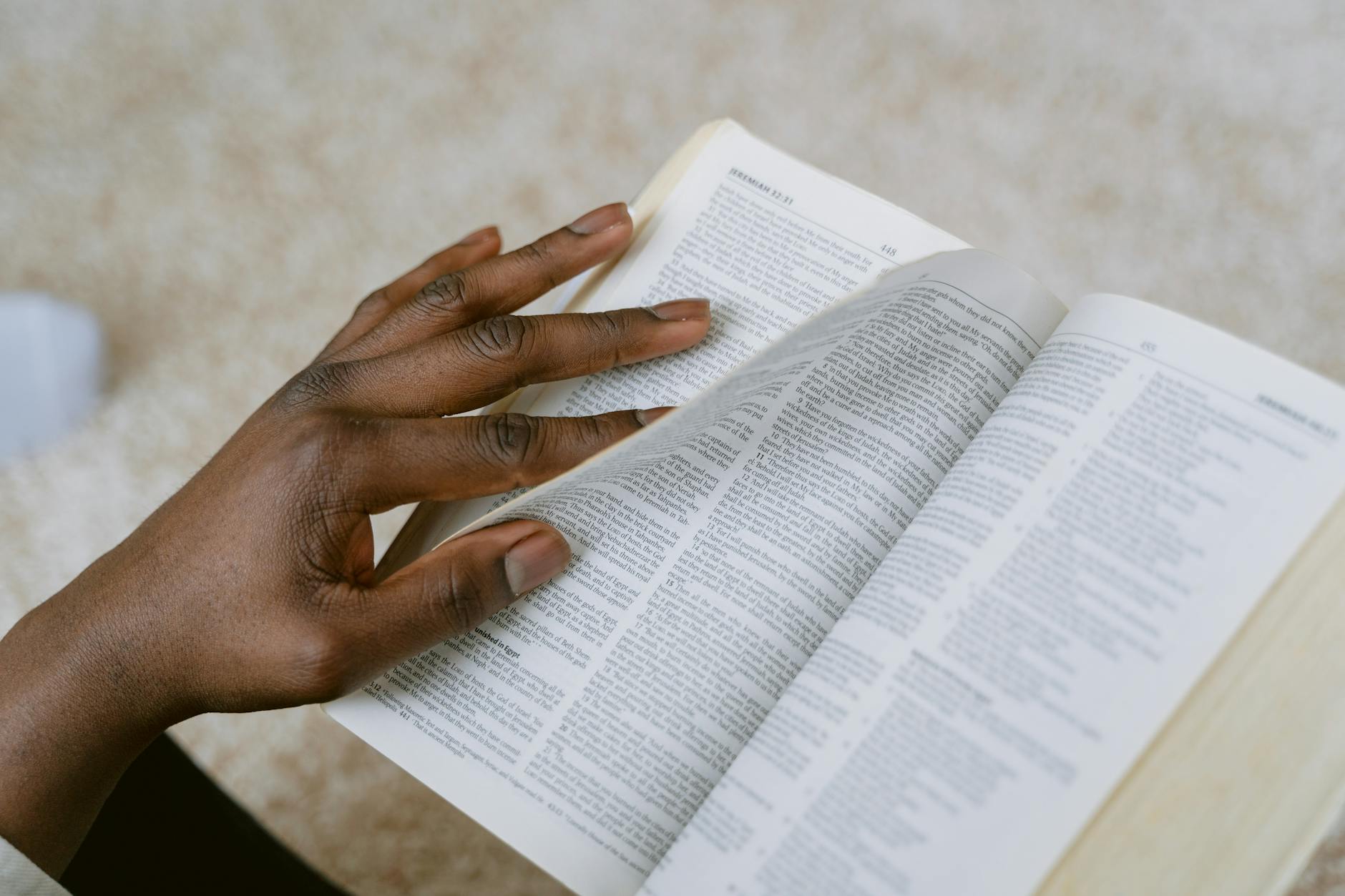
Personal prayer is a form of prayer that takes place in private, often when one is alone with their thoughts. Personal prayer can involve silent meditation, prayerful reflection, or conversational prayer. In personal prayer, people may use various techniques to reach out to God, such as reading Scripture, contemplating God's nature, and reflecting on their own experiences. Through personal prayer, people can experience spiritual growth and find comfort during difficult times.
Personal prayer is often considered the most intimate way to communicate with God, as it allows individuals to express their deepest thoughts and feelings. It can be a source of healing and a means to deepen one's faith. I've found that taking a few moments each day to reflect on my experiences and express gratitude can be incredibly uplifting. On the other hand, certain people might find that praying alone feels isolating, and they might yearn for a communal experience of prayer, like joining a small group of friends who meet weekly to share their prayers and support one another in their spiritual journeys.
Group Prayer
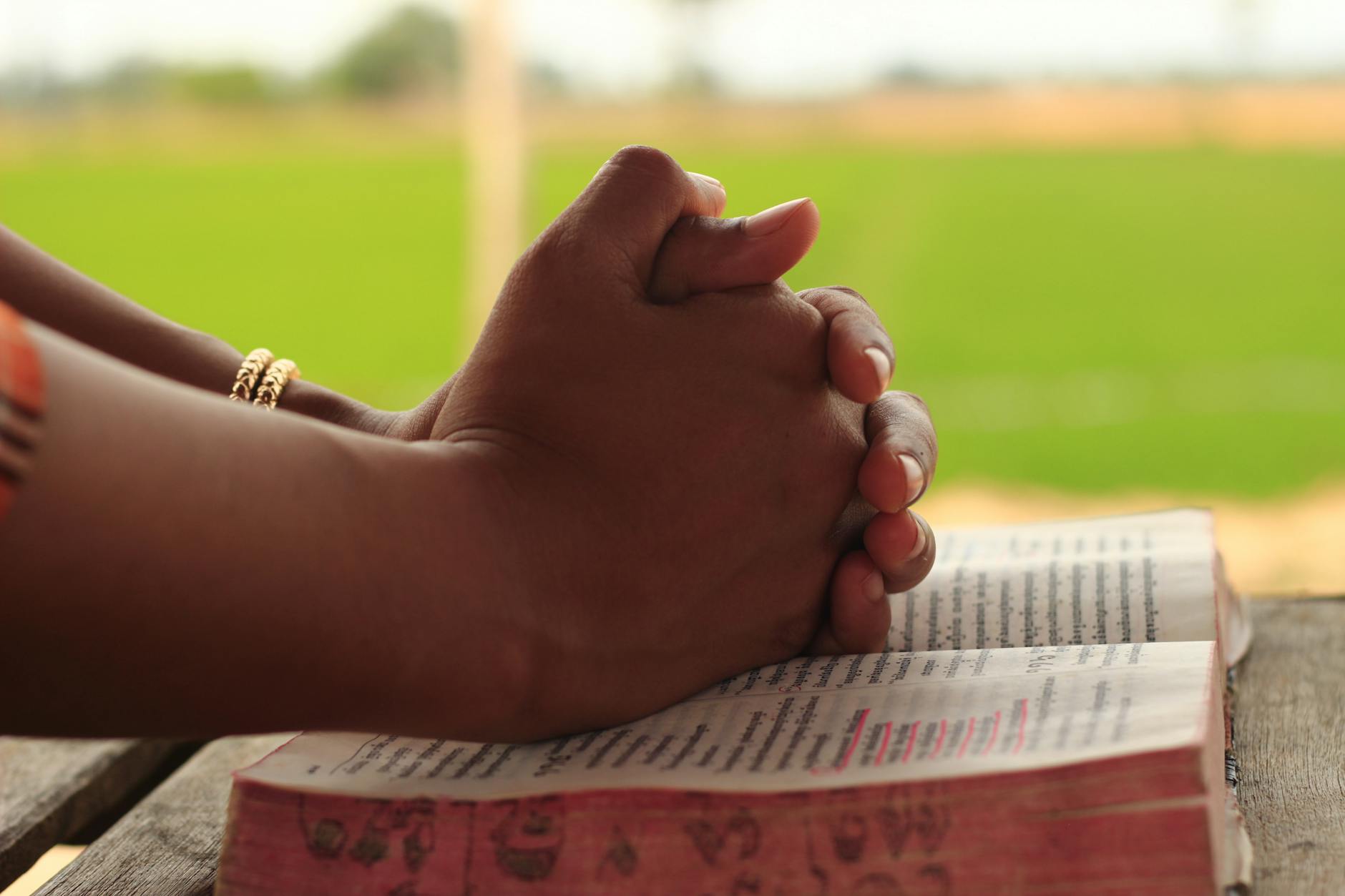
Group prayer involves gathering with others to pray, and it can take many forms, including prayer meetings, Bible studies, and worship services. When people come together to pray, they may use various methods to express their faith, such as singing, reading Scripture, and sharing testimonies. Group prayer can be a transformative experience, as people support and encourage each other, and they work together to address issues that matter to them.
When people pray together, they build each other up and support one another through life's challenges. For example, a group of friends might come together to pray for a loved one who is facing a difficult time, and through their collective prayers, they can feel hope and comfort. Nevertheless, praying with others might not resonate with everyone, and some might discover that their prayers are more heartfelt when spoken in solitude, like a quiet walk in nature, where they can clear their mind and focus on their inner dialogue with God.
Conclusion
Prayer practices are an essential part of the Christian faith, and they have played a crucial role in shaping the spiritual lives of countless individuals throughout history. Liturgies, personal prayer, and communal worship all have their own unique characteristics and benefits, and each can be a meaningful way to nurture one's relationship with God. Whether you are drawn to a formal liturgy, a quiet moment of personal reflection, or a gathering of friends, the most important thing is to find a way of praying that feels authentic and helps you to listen for God's guidance in your life.
Remember that prayer is not just a set of rituals or techniques, but rather a personal and intimate experience of God's love. So, whether you prefer a structured service or a spontaneous conversation with God, approach prayer with a heart of gratitude and a willingness to listen to the gentle whispers of God's presence within you.