Gratitude's Power
Gratitude is a powerful tool for emotional regulation, and it can help us handle our emotions in a healthy and productive way. In this article, we will explore the connection between gratitude and emotional regulation, and how practicing gratitude can help us navigate life's challenges more effectively.
What is Emotional Regulation?
Emotional regulation is the ability to recognize, understand, and respond to our emotions in a healthy and effective way. It involves being aware of our emotions, managing them in a positive way, and using them to guide our behavior and decision-making. Emotional regulation is an essential skill for living a fulfilling and happy life.
The Benefits of Gratitude
When we take time to recognize and express appreciation for the good things in our lives, we redirect our attention from negative thoughts and feelings towards life's blessings. This practice also fosters stronger connections with the people around us and a greater appreciation for life.
The Connection Between Gratitude and Emotional Regulation
Practicing gratitude enables us to better cope with difficult emotions because it involves recognizing and appreciating life's gifts. When expressing gratitude, we thank those who have supported us and acknowledge the help we've received. This acknowledgment facilitates a shift in perspective, allowing us to reorient our focus towards life's joys.
In addition, expressing thanks contributes to a more optimistic outlook on life. As we recognize the help we've received, we begin to build hope and resilience. This, in turn, enhances our ability to cope with stress and adversity, leading to greater emotional balance. For instance, I recall a particularly tough week when a kind note from a friend completely turned my day around, reminding me of the power of gratitude in everyday life.
Gratitude also plays a role in deepening our relationships with family and friends. By expressing appreciation for the people who care about us, we strengthen our sense of belonging and foster a feeling of being supported.
Embracing gratitude gives us a deeper understanding of our place in life. As we recognize the blessings we've received and the people who have helped us, we develop a greater appreciation for our circumstances and discover our role within them.
How to Practice Gratitude
There are many ways to incorporate gratitude into our daily lives, and the key is to find a method that resonates with us. Here are a few ideas to get started:
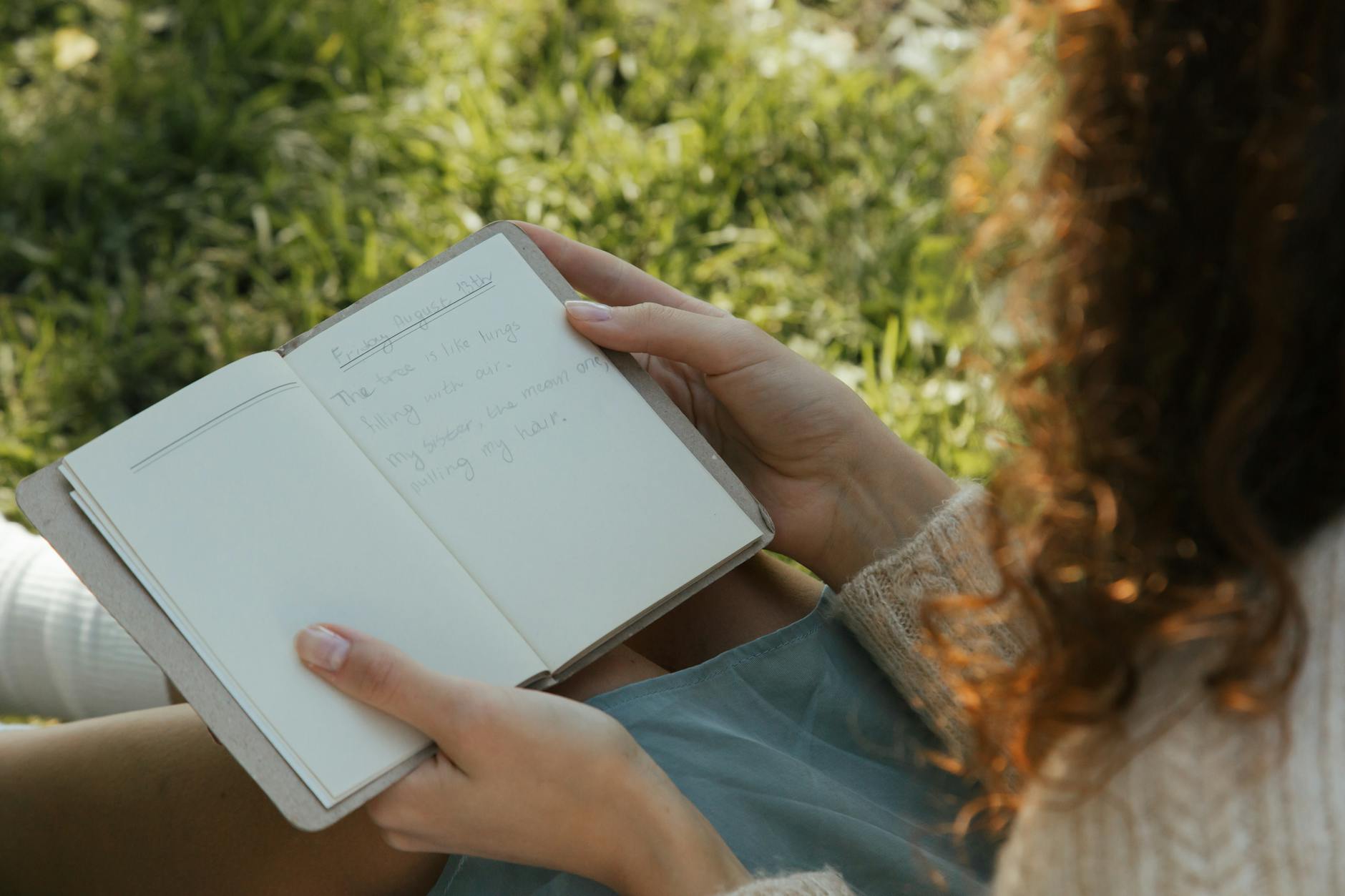
- Write a gratitude journal: Every day, take a few minutes to write down the things you appreciate. This reflective practice can help you develop a habit of gratitude and reframe your perspective on life.
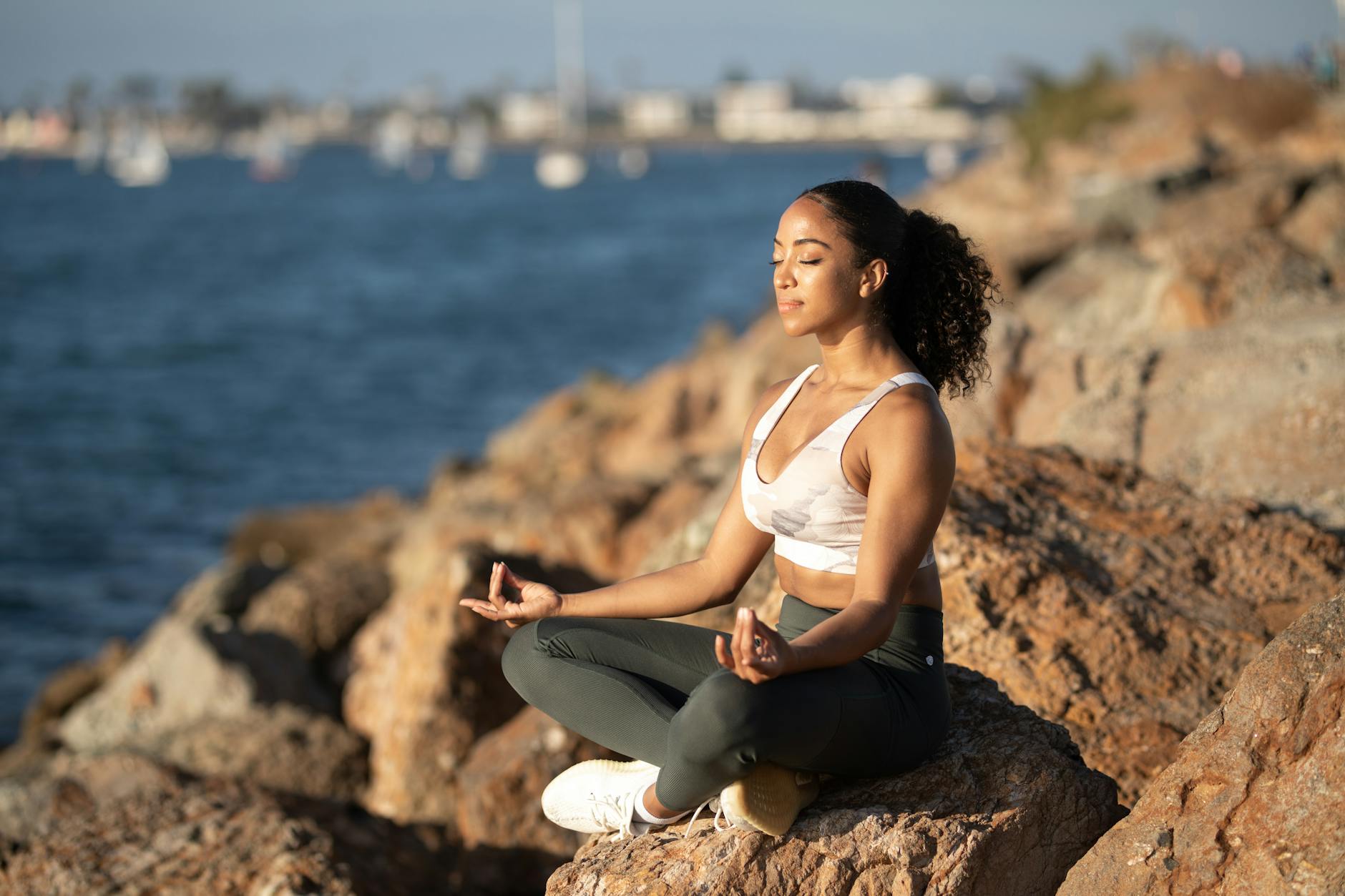
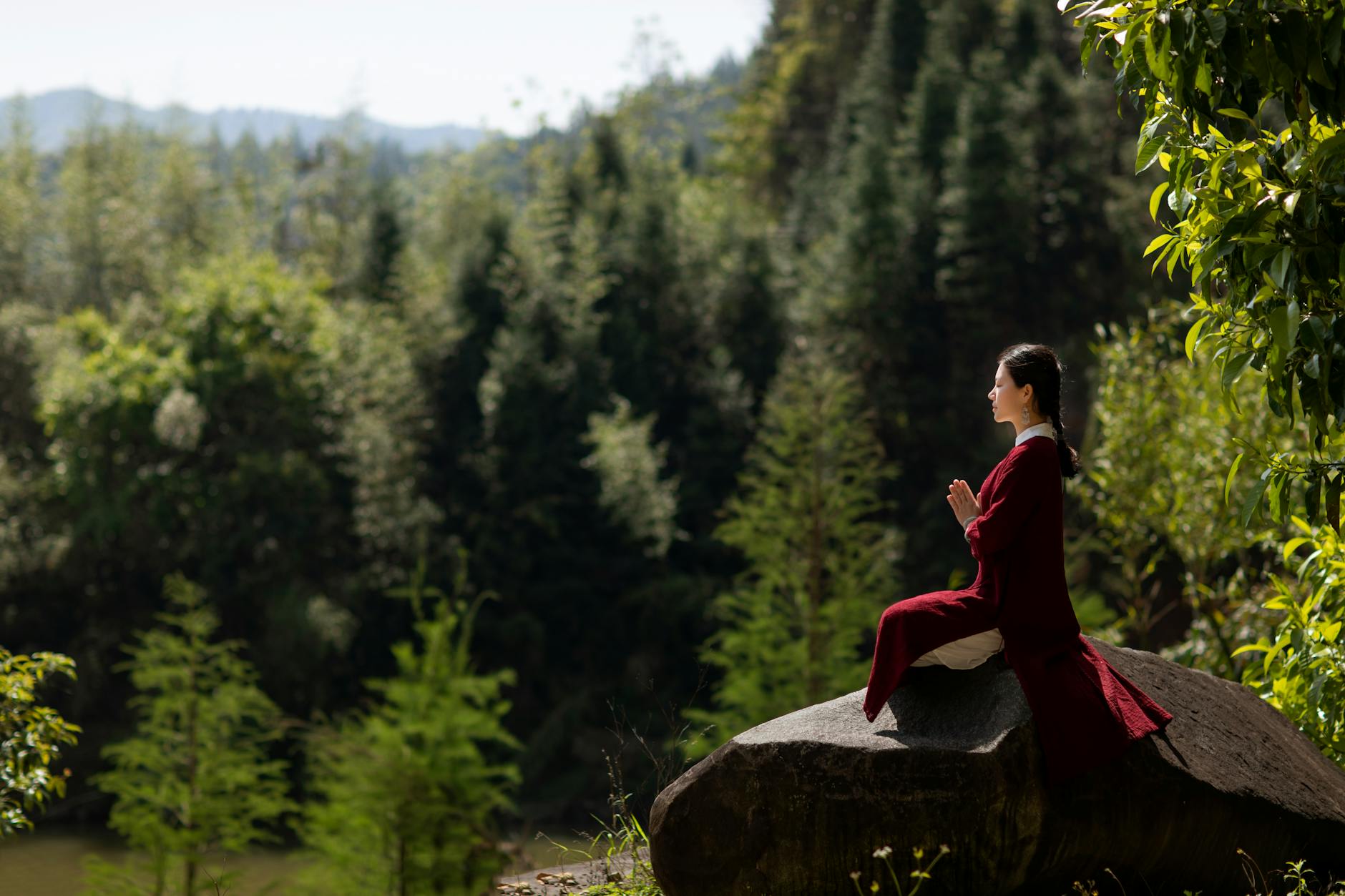
- Practice mindfulness: Mindfulness is the practice of paying attention to the present moment in a non-judgmental way. When practicing mindfulness, you can focus on life's simple pleasures and develop a grateful heart. This, in turn, can lead to a more hopeful outlook.
- Express appreciation to others: Expressing gratitude to others can be a powerful way to build stronger relationships and foster a feeling of community. Try to find opportunities to thank others for their support and kindness.
- Engage in charitable work: Performing selfless acts can be a great way to express gratitude and make a positive impact on the lives of others. Whether it's helping a stranger, volunteering at a local organization, or simply offering a smile, these actions can have a significant effect on both the giver and the receiver.
No matter how you choose to practice gratitude, making it a regular part of your life is crucial. By doing so, you'll be better equipped to handle life's challenges, form lasting connections with those around you, and discover your life's meaning.
Conclusion
The practice of gratitude has a significant impact on our emotional well-being, enabling us to handle life's complexities with greater ease and resilience. By embracing gratitude, we can reorient our focus towards life's joys, develop a more hopeful outlook, and nurture our sense of connection to others. As we make gratitude a regular part of our lives, we'll find that we're better able to navigate life's ups and downs, and discover a sense of purpose and fulfillment.
Remember, the key to developing a grateful heart is to find a method that works for you. Whether it's writing in a journal, practicing mindfulness, expressing appreciation to others, or engaging in charitable work, the possibilities are endless. So, take a moment to reflect on the blessings you've received, and watch as your life becomes more richly textured and fulfilling.
As you continue on your journey, you'll find that gratitude becomes an integral part of your daily life. With time and practice, you'll become more adept at finding peace in difficult situations, and you'll discover a sense of hope and resilience that will stay with you through life's challenges, guiding you toward a more meaningful and joyful existence.