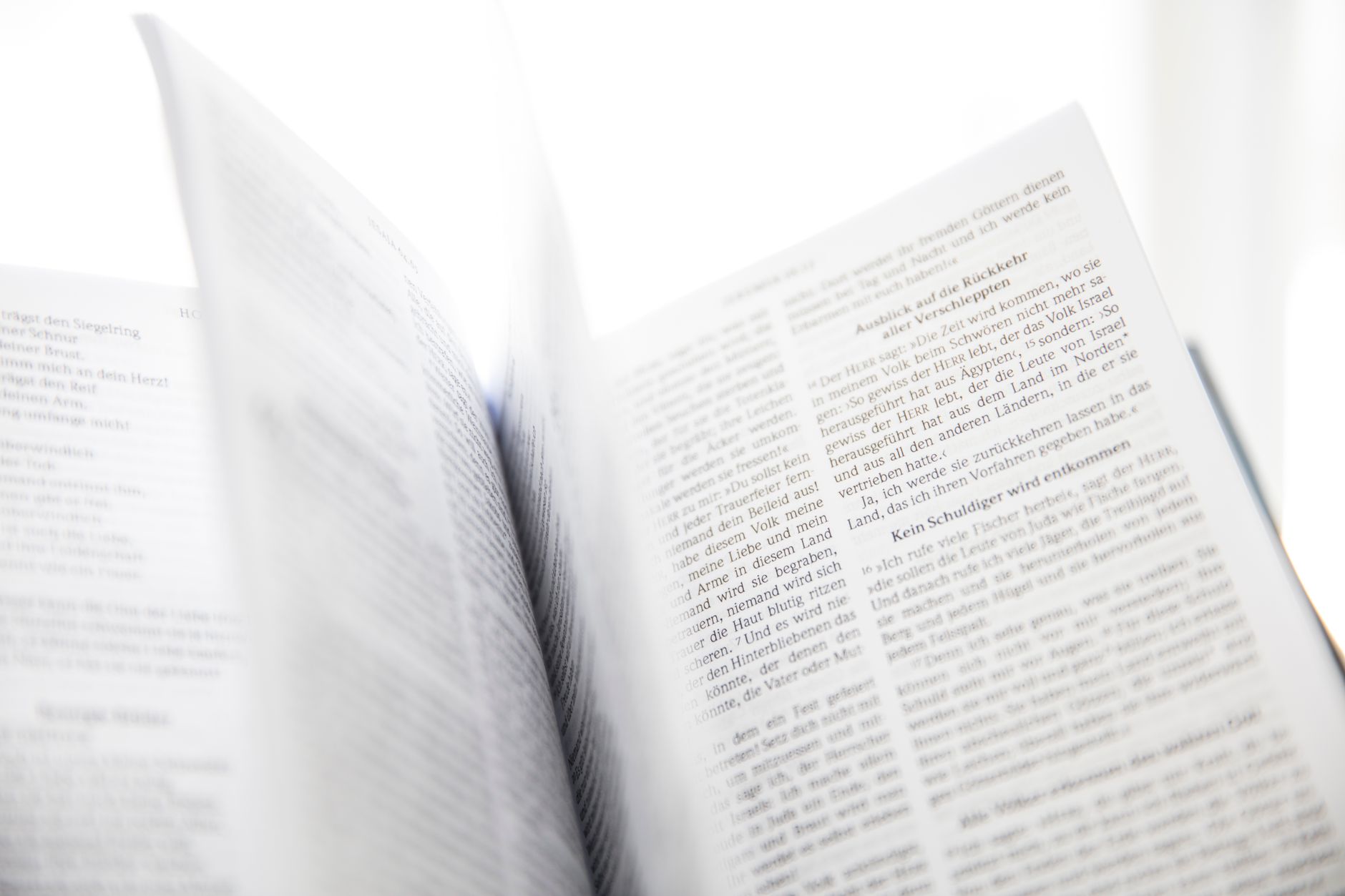
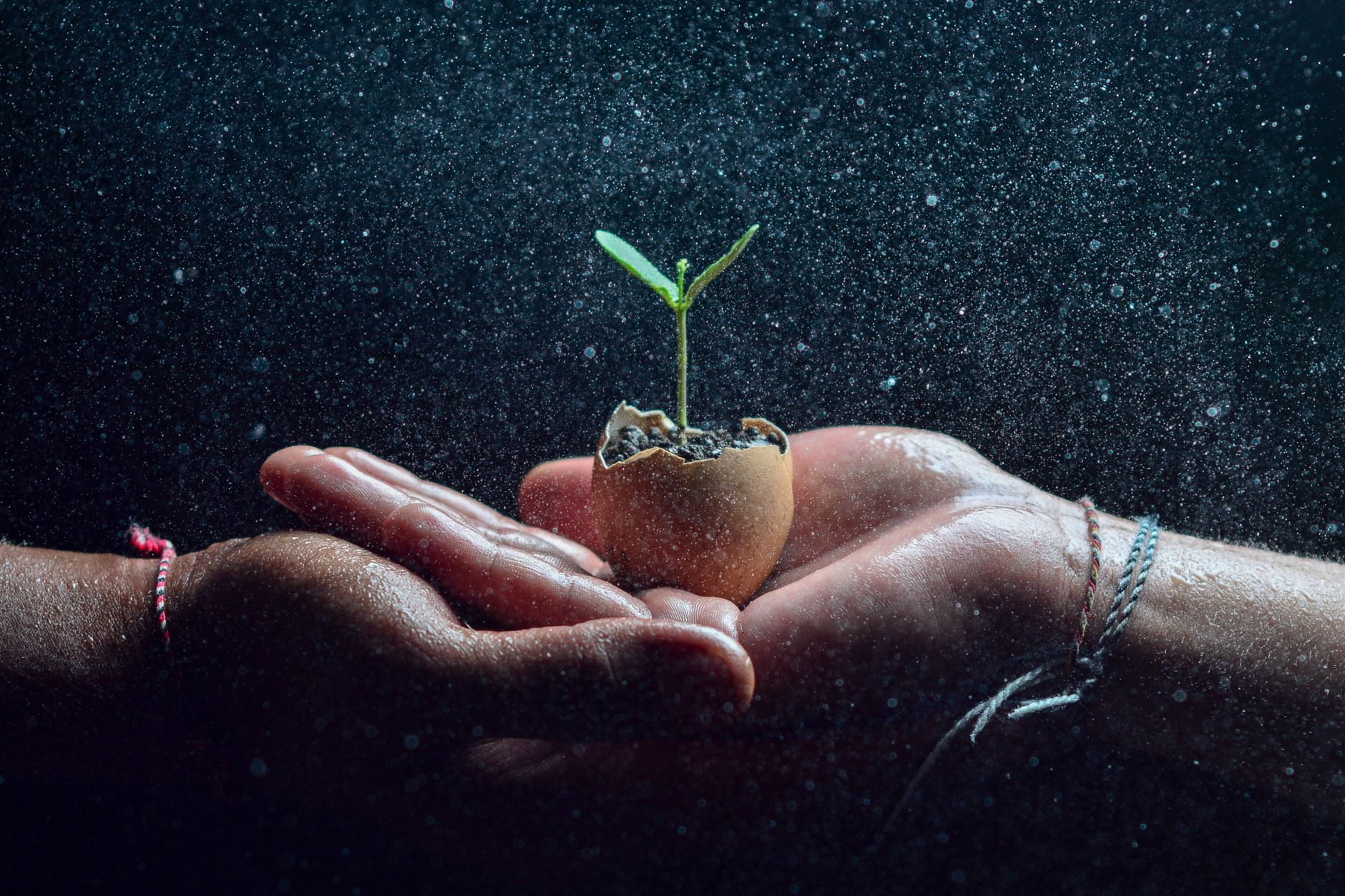
"You are the salt of the earth... You are the light of the world."
That’s it. Jesus doesn’t give us a manual before He gives us an identity. He doesn’t say, "Here is your job description; once you’ve completed these tasks, I will declare you salty and bright." No. He looks at a group of fishermen, tax collectors, and uncertain followers standing on a hillside in summer heat, and He tells them what they are.
Look at that. Present tense.
It’s easy to forget that part. We tend to treat our faith like a status we achieve rather than a nature we inherit. But if you’re feeling tired, or maybe a bit bland amidst the noise of modern life, it might be because you’re trying to be salt and light instead of just letting your nature spill out.
The problem isn’t that we lack the power to be distinct. The problem is that we’re hiding our source.
The Problem: Dilution and Dimming
Think about salt for a moment. When was the last time you tasted pure, unadrawn sea salt? Thick, sharp, and intense? Now think about table salt. The kind in the shaker on your kitchen counter. It’s fine, it’s convenient, and honestly? It’s mostly just sodium chloride with anti-caking agents so it doesn’t clump.
It has lost its savor.
Jesus warns us about this in the thirteenth verse of Matthew’s fifth chapter ( — "You are the salt of the earth. But if the salt loses its saltiness, how can it be made salty again? It is no longer good for anything, except to be thrown out and trampled underfoot.").
If the salt is just white powder doing nothing, it’s worse than useless. It’s a waste of space.
And light? Light is tricky because it’s invisible until it hits something. You don’t see a beam of sunlight in a vacuum. You only notice it when it illuminates dust motes, or casts a shadow, or wakes you up too early on a Saturday.
The struggle for many of us is that we’ve become professional at blending in. We nod at the right times. We say "bless you" when someone sneezes. We post the right scripture on Instagram with a pastel background filter. But are we actually distinct?
I’ll be honest, I’ve struggled with this too. There are days when my faith feels like a soft beige wall—nice, neutral, inoffensive. I’m not shouting from the rooftops, but I’m also not really leaving a mark on the room. I’m present, but I’m not penetrating.
We dilute ourselves by trying to be everything to everyone. We compromise our convictions just a little bit here, and soften our edges there, until we’re indistinguishable from the culture around us. We become flavorless. Or worse, we try to be light by being loud, bright, and blinding, without any substance.
But there is a promise in this discomfort. It’s not that you’re failing; it’s that you’re being called to something deeper than performance.
The Promise: It’s About Connection, Not Performance
Here is the beauty of Jesus’ metaphor. Salt doesn’t work by sitting on a plate admired for its purity. It works by contact. It has to get into the meat, or the soup, or the wound.
Light doesn’t work by hanging in a corner like a decorative lamp. It works by glowing from within, regardless of who is watching.
Notice what Jesus says next in the fourteenth and fifteenth verses ( — "You are the light of the world. A town built on a hill cannot be hidden. Neither do people light a lamp and put it under a basket. They put it on its stand, and it gives light to everyone in the house. In the same way, let your light shine before others, that they may see your good deeds and glorify your Father in heaven.").
Two things happen here. First, the light is already there ("A town built on a hill cannot be hidden"). Second, the purpose of that light is directional. It’s not for us to bask in our own glow; it’s so that others might see "good deeds" and, crucially, "glorify your Father in heaven."
This changes everything.
We often think being "light" means being morally superior. We think being "salt" means fixing people’s problems. But Jesus says the goal is glorification of God, not self-promotion for us.
When you are salt, you preserve what is good in a decaying world. You slow the rot of cynicism and apathy. When you are light, you reveal what is true in a confused world. You expose the shadows without being harsh about it.
It’s not about you being better than your neighbor. It’s about you being connected to the Source. A piece of salt separated from the sea is just dust. A light bulb unplugged from the wall is just glass and filament.
Your identity is secure. Your job is simply to stay plugged in, and let your nature do what it was designed to do.
The Practice: Three Ways to Stay Salty and Bright
So, how do we move from theology to Tuesday afternoon? How do we live this out when the air conditioning is humming and the email inbox is piling up?
Here are three concrete ways to practice this, not as a heavy burden, but as a natural overflow.
1. Get Into the Meat (Contact Over Isolation)
Salt loses its flavor when it’s sequestered. It sits in the shaker, safe and dry, but useless to the meal.
We often isolate our faith in "church time" or "devotional time." We read our verses. We sing our songs. But then we lock the door and go back to being exactly like everyone else at work, at the grocery store, in the carpool line.
To be salt is to get into contact with the mess.
This week, try staying in the conversation a second longer. When you’re at work or running errands, don’t rush to put your headphones back in. Listen. Really listen. Ask a question that isn’t about logistics.
I remember sitting next to a coworker who was going through a quiet crisis—nothing dramatic, just the slow grind of burnout. I could have offered a platitude ("It’ll pass") and moved on. Instead, I asked about her dog, who had just passed away. I let the salt of empathy seep into that small space. It wasn’t a sermon. It was just presence.
Don’t isolate yourself from the world to protect your purity. Let the friction of daily life wear you down a bit. That’s where the savoring happens.
2. Keep Your Wick Trimmed (Consistency Over Intensity)
Light requires fuel. And light can be dimmed by a sooty wick, or hidden by a basket.
What hides our light? Often, it’s the "basket" of busyness or the "dust" of unresolved sin and bitterness. We try to shine brightly, but we’re distracted by a hundred small things.
Jesus says not to hide your light under a basket. This isn’t about humility; it’s about visibility. A lamp on the stand is visible to all.
Practically, this means consistency. It’s not about having one massive, dramatic testimony every year. It’s about the quiet, steady glow of a life that aligns with its words.
Look at your habits this week. Is there something you’re hiding? A grudge you won’t release? A truth you’re afraid to speak because it might make things awkward? That’s the basket. Lift it up.
You don’t need to be loud. You just need to be real. A steady, consistent kindness is more blinding than a burst of anger. It confuses people when you love the unlovable, or when you speak truth without raising your voice. That’s light cutting through the dark.
3. Point to the Source (Glory Over Self)
This is the hardest part, and the most freeing.
Watch how you react when people compliment your good work, or your kindness, or your wisdom. Do you deflect? ("Oh, it’s nothing.") Do you accept it with a quiet pride? Or do you gently point back to God?
Jesus says, "Let your light shine... that they may see your good deeds and glorify your Father."
Notice the sequence. They see your good deeds. Not God’s. Yours. Your specific, unique, daily actions. But the end result is His glory.
This releases you from the pressure to be perfect. You don’t have to save anyone. You just have to reflect Him.
Next time you help someone—whether it’s holding a door, writing a check, or just listening to a complaint—do it with an internal posture of offering. Think, Let this reflect Him.
It’s like wearing a mirror. The mirror doesn’t create the light; it just reflects it beautifully. If you’re focused on yourself, you’ll feel foolish or proud. If you’re focused on pointing to the Source, you’ll feel free.
I used to think being "holy" meant being serious and a bit distant. Now I see that being holy (set apart) means being distinct in your engagement with the ordinary.
A Quiet Close to End On
There’s a stillness in knowing you don’t have to manufacture your saltiness. You just have to be yourself, connected to the Sea, standing on the Hill.
It’s summer now. The days are long and full of light. The air is thick with life—birds, insects, the slow growth of grass and trees. It’s a good time to remember that we are part of this creation, called to preserve it and illuminate it.
You might feel small today. You might feel like your light is flickering, or your salt has gone flat. That’s okay.
Rest in the promise. You are not your own performance record. You are a vessel. Keep walking. Keep talking. Keep loving the people in front of you with that quiet, steady intensity.
The world is waiting for your flavor. And it’s already bright enough to see you.