It’s 7:45 PM on a Tuesday. You’re standing in your kitchen, holding a cold mug of tea, staring at the open laptop screen. The email you’ve been drafting for three hours sits there, blinking cursor included. You know what’s wrong. It’s not the words. It’s the fact that you’ve already checked the fridge, watered the plants, and reorganized your desktop icons. You were looking for something. A sign. A hint. Permission.
We do this. We scan the periphery of our lives for clues that tell us how to move forward. And honestly? It makes sense. The world is noisy. We want a map.
Enter the Book of Proverbs.
Most of us think of Proverbs as a collection of "did you know?" facts. Don’t count your chickens before they hatch. A stitch in time saves nine. It sounds like a grandmother’s advice, wrapped in pithy quotes. But if you look closer, Proverbs isn’t just a list of rules. It’s a portrait of a teacher. A man named Solomon. And if you read it with fresh eyes, you realize it’s less about memorizing maxims and more about learning to see.
The Teacher Who Knew Too Much
Solomon was, by all accounts, a complicated figure. He had everything. Wealth. Power. Intelligence. And yet, the later chapters of Proverbs suggest he was also acutely aware of his own limitations. This is crucial. We often imagine biblical wisdom as something static, carved in stone. But the original Hebrew word for wisdom, chokhmah, carries a nuance that gets lost in translation. It’s related to a root that implies "skill" or "craftsmanship."
Think about that.
Wisdom, in the Proverbial sense, isn’t just knowing the right answer. It’s the skill of applying knowledge to a messy, imperfect situation. It’s the difference between knowing what an engine is and knowing how to fix one when it’s smoking in the middle of a highway.
This distinction changes how we approach the text. When you read Proverbs, you aren’t just receiving information. You’re watching a craftsman at work. You’re observing him test materials. You’re witnessing him discard what doesn’t fit. You’re noting how he refines his tools.
There’s a moment in Proverbs 8 that captures this beautifully. Wisdom personified speaks. She says, “When he gave the sea its established limit, and the waters obeyed, when he made thick clouds above, and the rain came from the sky” ().
Notice the imagery. It’s not abstract. It’s physical. It’s the sky. It’s the ocean. It’s the rain. Wisdom isn’t floating in some ethereal space. She’s embedded in the physical world. She’s the principle that keeps the tides from swallowing the coast. She’s the reason the rain falls instead of hovering overhead like a wet blanket.
This is where the scholarship meets the sidewalk. Because if wisdom is chokhmah—if it’s craftsmanship—then it has to be practiced. It has to be tested. It has to fail, so it can succeed.
The Fox That Ate the Grapes
Let’s go back to the kitchen. Let’s go back to that blinking cursor.
Why did you check the fridge? Why did you water the plants?
Because you were trying to find a signal in the noise. You wanted a green light. You wanted someone to tap you on the shoulder and say, “It’s okay. Send it.”
But here’s the thing about Proverbs. It rarely gives you a green light. Instead, it gives you a mirror.
Consider . “Like a dog returning to its vomit is a fool who repeats his folly.”
It’s a harsh image. It’s visceral. It’s meant to make you flinch. And that’s the point. Wisdom, in this context, is the ability to recognize your own patterns. To see where you’ve been before. To recognize the smell of the old mistake.
I’ll be honest. I’ve struggled with this. I tend to read Proverbs like a checklist. Okay, avoid pride. Stay away from laziness. Resist anger. I tick the boxes. I feel righteous. I feel prepared.
But then life happens. And the checklist fails. Because life isn’t a series of isolated tests. Life is a continuous, chaotic process. You can’t be proud and lazy and angry all at once, in the same way, in the same context. The categories blur. The lines get muddy.
That’s where the fox comes in.
Not a literal fox, necessarily. But the idea of the animal that sees the fruit but can’t reach it. The creature that rationalizes. The one that tells itself the grapes are sour.
Is that foolishness? Or is that survival?
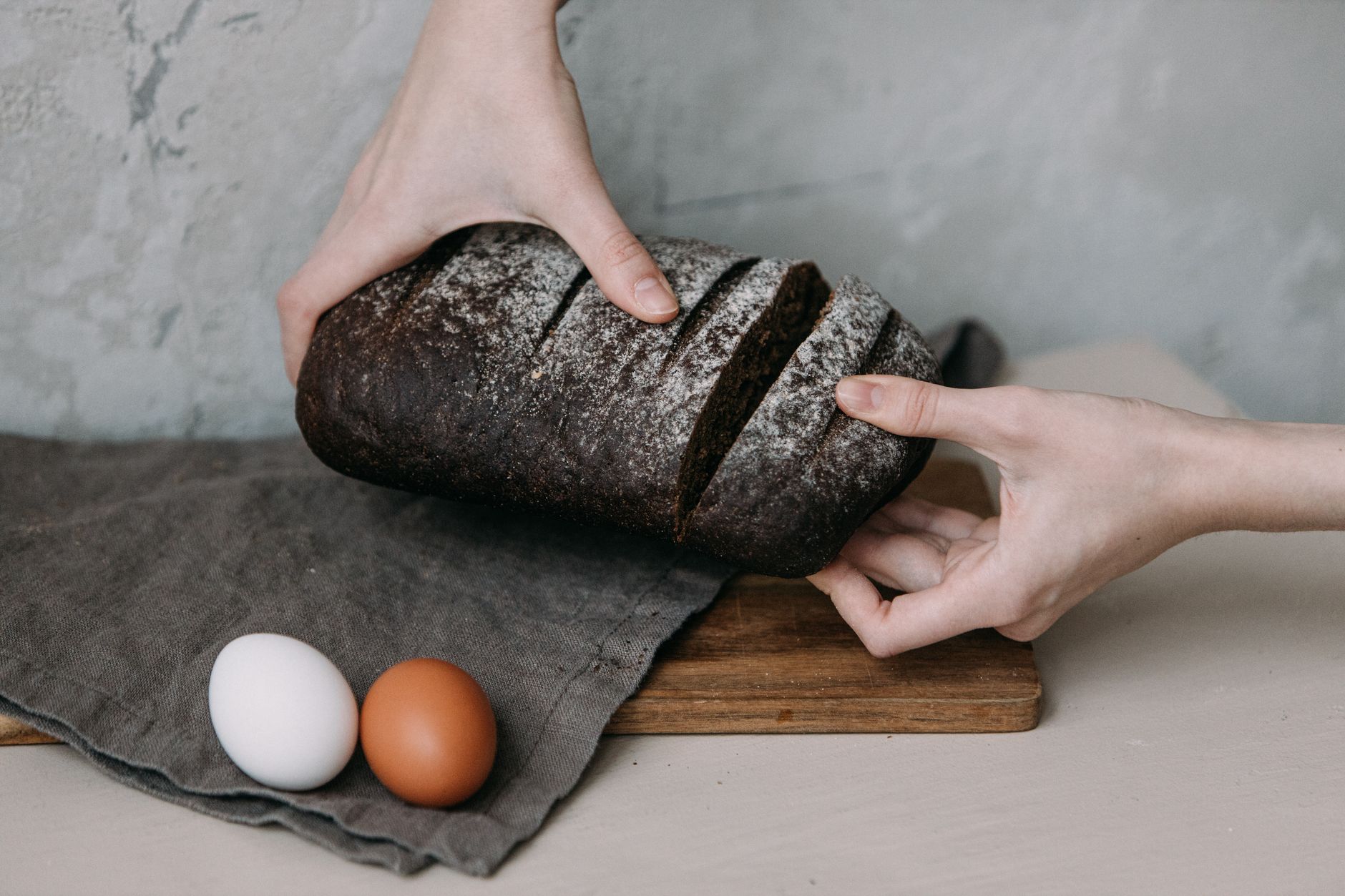
says, “Put bread before a man of no prospects, for he has a hungry staff.”
It’s practical. It’s immediate. It’s about feeding the person in front of you, not the concept of the person. It’s about the hands that hold the bowl, not the mind that holds the theory.
This is the shift. From the head to the hand. From the idea to the action.
And if you’re standing in your kitchen, staring at that screen, maybe that’s what you need. Not more analysis. Not more research. Just the sending of it. The letting go. The trusting that the fruit is sweet, even if you can’t taste it yet.
The Harvest Is In
It’s late summer now. The days are shorter. The light is softer. There’s a quality to the air that feels different. Closer. Heavier.
The harvest is in.
Not metaphorically. Literally. The fields are empty. The baskets are full. The work is done.
And in that silence, in that stillness, you hear it. Not a voice. Not a command. Just a rhythm. A beat. The hum of something that is alive, but not shouting. The resonance of something that is strong, but not straining.
It’s the echo of chokhmah. The echo of skill. The echo of craft.
You close the laptop. You drink the tea. It’s cold. You drink it anyway.
You walk out the door. You don’t look back. You don’t look up. You just look ahead. At the path. At the dirt. At the stones.
You step.
And you keep stepping.