Psalm 23 Meaning: What 'Green Pastures' Actually Promises
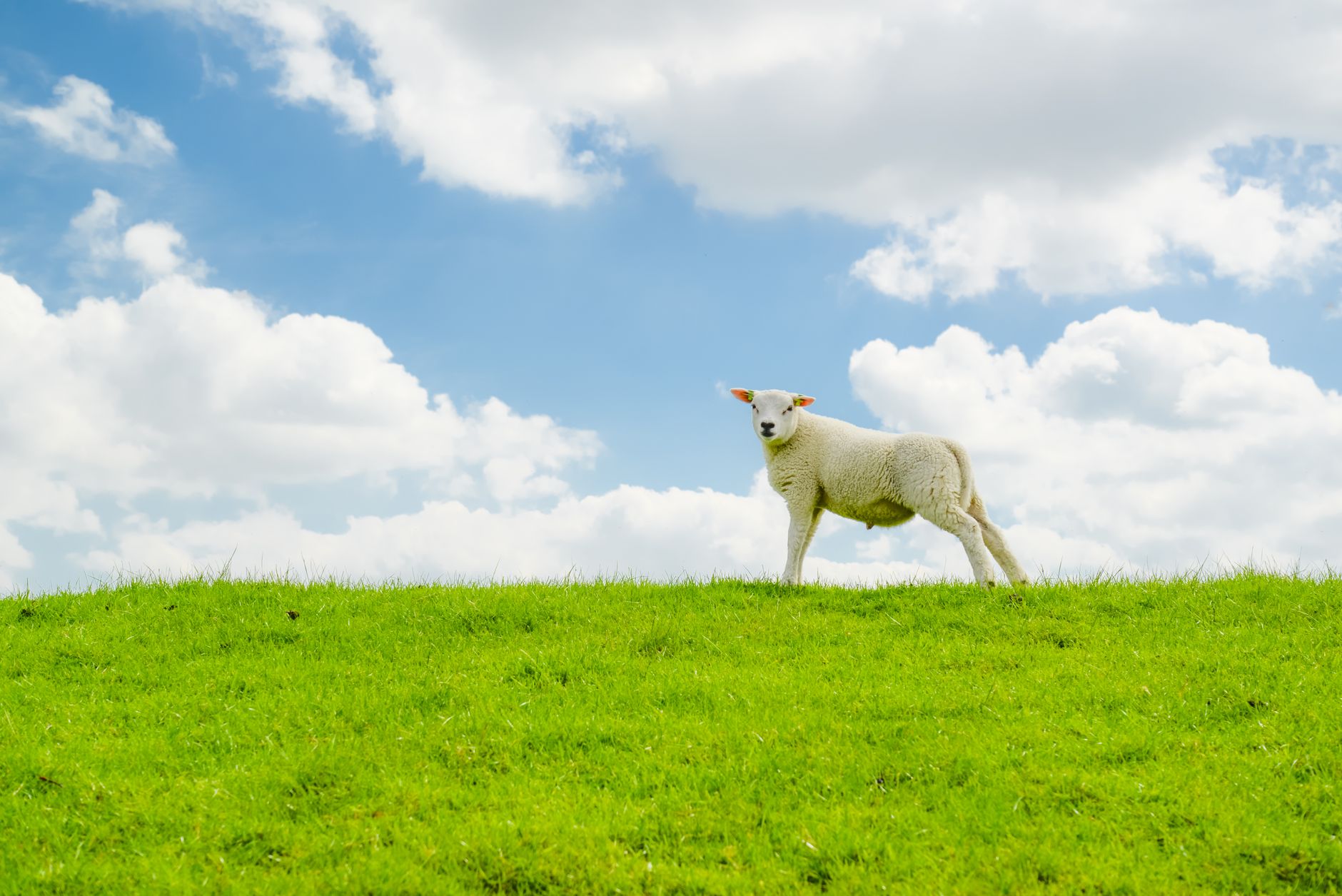
Have you ever stood in a field of grass so green it looked almost radioactive?
I did last June. It was late June, the kind of day where the air hangs heavy and sweet with the smell of cut hay and warm earth. The sun was high, beating down on my neck, and I was walking through a pasture just outside the city limits. I wasn’t thinking about theology. I wasn’t worrying about the mortgage or the email chain I’d ignored all morning. I was just watching the sheep.
They weren’t doing much. One was chewing cud, staring at nothing with those horizontal pupils. Another was lying down, legs folded under its belly, looking like a giant, woolly potato. They weren’t sprinting. They weren’t hunting. They were just… there.
And in that quiet, dumb stillness, I remembered the words I’d heard a thousand times since I was a child.
The Lord is my shepherd; I shall not want.
It’s easy to skim over these verses because they’re so familiar. We hear them at funerals. We recite them before dinner. We print them on throw pillows. But familiarity is the enemy of awe. When we stop being surprised by God, we stop seeing Him.
So let’s slow down. Let’s sit in the grass for a minute.
The Shepherd Who Knows Your Name
Psalm 23 opens with a statement of fact, not a wish. David doesn’t say, “I hope God takes care of me.” He says, “The Lord is my shepherd.”
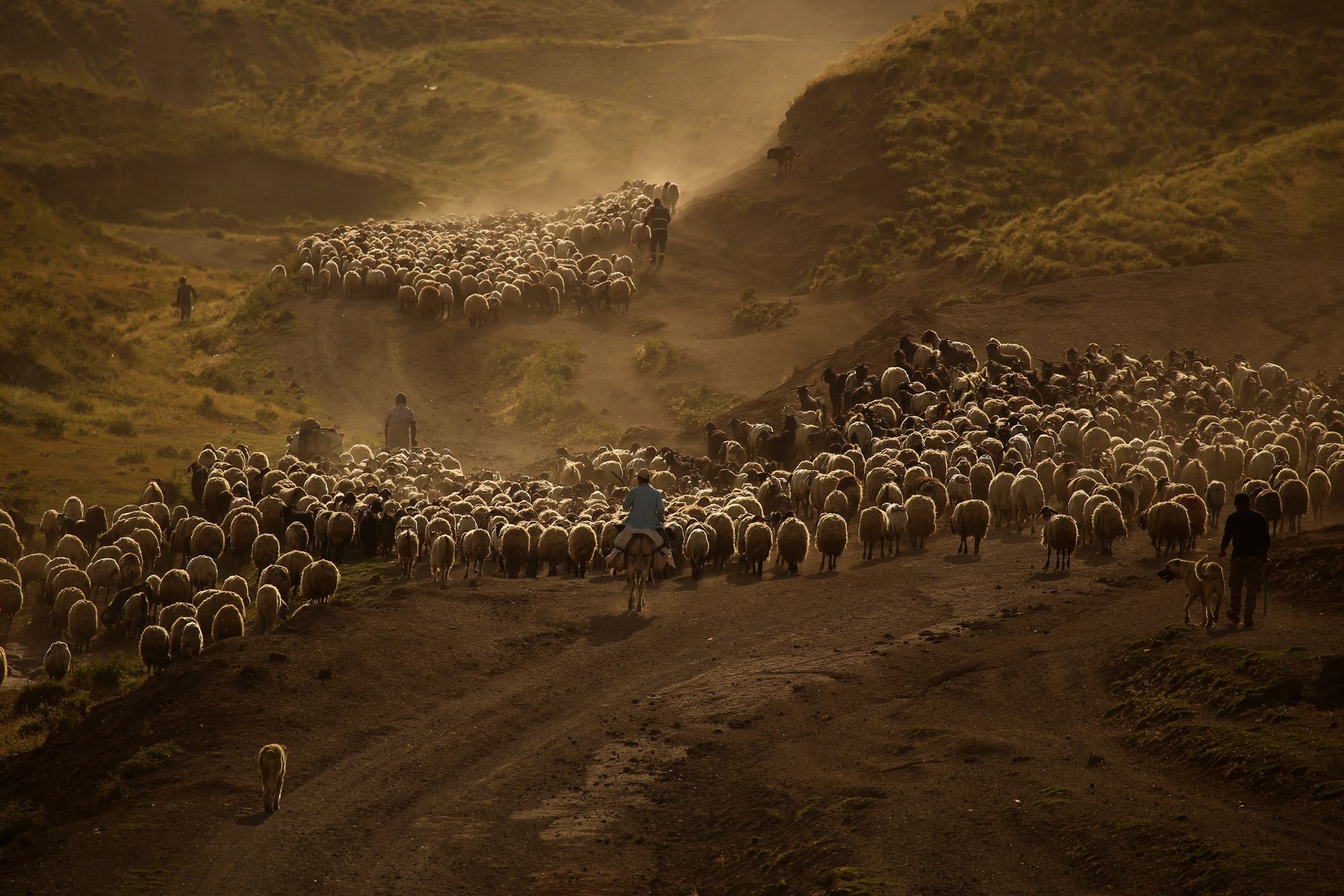
In the ancient Near East, a shepherd wasn’t just a guy with a stick. He was the owner, the protector, the guide, and the provider. He knew each sheep by name. He knew which one was shy, which one was stubborn, which one had a limp that needed watching. When the sheep wandered, the shepherd didn’t just shout; he went out.
This is the first thing that hits me in the summer heat: God isn’t distant. He’s close. He’s not a CEO overseeing a global corporation from a boardroom in the sky. He’s the one who walks the dusty paths with you.
— "The Lord is my shepherd; I shall not want. He makes me lie down in green pastures. He leads me beside still waters."
Notice the rhythm here. It’s not frantic. It’s slow.
Green pastures. Still waters.
In a dry, arid land like Israel, green grass wasn’t always available. You had to wait for the right season. You had to trust that the shepherd would bring you to the grazing when the grass was actually good. And “still” waters (literally “resting” or “quiet” waters) were crucial. Rushing water could sweep you away or carry parasites. Quiet pools were safe. They were restorative.
God doesn’t just feed you. He positions you.
I used to think being a Christian was about surviving the storm. But David is telling us something different. He’s talking about the times between the storms. The quiet Tuesdays. The long afternoons. The season where the only thing you have to do is lie down.
Is that hard for you?
For many of us, lying down feels like laziness. We’re wired to hustle. We think if we stop moving, we’ll fall behind. But a sheep doesn’t hustle. A sheep rests because its shepherd provides. And if your shepherd is good, you can afford to stop.
The Valley We Can’t See
Then, suddenly, the scenery changes.
— "Even though I walk through the valley of the shadow of death, I will fear no evil, for you are with me; your rod and your staff, they comfort me."
The word “even though” is doing a lot of heavy lifting here. It doesn’t say we’ll avoid the valley. It says we’ll walk through it.
The valley of the shadow of death (or “deep darkness”) isn’t necessarily physical death. It’s the deep, dark places of life where the light seems to get cut off. It’s the diagnosis. The layoff. The betrayal. The night you can’t sleep because the grief is too loud.
For decades, I treated this verse like a promise that God would rescue me from the dark. But now? Now I think it’s a promise that He’ll stay with me in the dark.
Notice the shift in pronouns. In verses 1-3, God is the subject. He makes you lie down. He leads you. He restores your soul. But in verse 4, when the shadow comes, God moves closer. He’s no longer just the distant provider; He’s the companion at your side.
“You are with me.”
Not “I will send someone to help you.” Not “I will fix it soon.” You are with me.
This is the part that’s hard to preach on a sunny Sunday morning. This is the part that’s hard to read when you’re sitting in your car in the driveway, engine off, just staring at the steering wheel because you don’t have the energy to go inside.
I remember a few years ago, when my dad was in the hospital for three weeks. It wasn’t a dramatic, cinematic tragedy. It was just… exhausting. Long days. Short sleep. The smell of antiseptic that never really left your clothes. One night, I read Psalm 23 in the dark room. I got to verse 4. “For you are with me.”
And I didn’t feel a sudden rush of peace. I didn’t feel like the anxiety vanished. I just felt… accompanied. The fear was still there. The worry about the bill, the worry about the surgery, the worry about losing him — it was all still there. But it was a shared worry. And that made it bearable.
We often confuse “comfort” with “removal of pain.” But the Hebrew word here (nacham) can also mean to console or to comfort. The rod and the staff are tools of protection. The rod was for driving away wolves. The staff was for guiding the sheep. So God is both the protector and the guide. He’s not just watching you suffer; He’s actively keeping you safe while you walk through it.
The Table Set in Front of Enemies
Here’s where the poem gets weird. And I mean that in the best way.
— "You prepare a table before me in the presence of my enemies; you anoint my head with oil; my cup overflows."
Imagine this scene. You’re in the wilderness. It’s dusty. It’s hot. You’re tired. And suddenly, your shepherd pulls you into a private dining room. He sets a table. He anoints your head with expensive oil — a sign of honor, of joy, of celebration.
And he does it while your enemies are watching.
Who are the enemies? In David’s time, it was literal rivals. For us, it might be fear. It might be shame. It might be the voice that says, “You’re not enough.” It might be the culture that tells you to keep grinding until you break.
God doesn’t just hide you from your enemies. He invites you to eat in plain sight. He invites you to feast in the middle of the fight.
This is the counter-intuitive gospel. The world says, “Wait until you’re safe before you relax.” God says, “Relax now. I’ve got the enemies.”
I love this image because it’s so specific. It’s not a vague “blessing.” It’s a table. Food. Sustenance. Joy.
In the summer, when the days are long and the light lingers until 9 PM, I think about this table. I think about the way God gives us these seasons of abundance not because we’ve earned them, but because He is good. The grass grows. The rain falls. The sun shines. It’s not magical. It’s merciful.
And then, the cup overflows.
In ancient times, a cup overflowing was a sign of hospitality. The host didn’t just fill it to the brim; he kept pouring until it spilled over the sides. It was a sign of generosity so excessive it became almost rude.
God’s grace isn’t a measured dose. It’s a spill.
The House of the Lord
The psalm ends with a promise that feels like a destination.
— "Surely goodness and mercy shall follow me all the days of my life, and I shall dwell in the house of the Lord forever."
“Follow” (or “pursue”) is an active verb. Goodness and mercy aren’t trailing behind you, barely keeping up. They are chasing you. They are running ahead of you to clear the path.
And the final image? Dwelling in the house of the Lord.
In the Old Testament, the Temple was the place of God’s presence. To dwell there was to be close to Him. But this isn’t just about a building. It’s about intimacy. It’s about home.
We spend our lives looking for a place to belong. We look to careers, to relationships, to cities, to ideologies. But Psalm 23 suggests that our true home is simply with Him.
It’s a strange comfort, isn’t it? To know that no matter where you are — in a high-rise office, in a hospital bed, in a valley of shadow, or in a green pasture — you are in the house of the Lord. Because He is there.
How to Live This on a Tuesday
So, how do we take this ancient Hebrew poem and live it when we’re just trying to get the laundry done and the emails cleared?
It starts with slowing down.
Not in a performative way. Not by buying a journal and writing “Gratitude” on the first page. But by actually stopping.
Try this: Next time you’re driving, or washing dishes, or waiting for the coffee to brew, stop and just acknowledge His presence. Not a long prayer. Just a whisper. “You are here.”
Acknowledge that the grass growing outside your window is a gift. That the breath in your lungs is a gift. That the ability to think, to feel, to love, is a gift.
And when the valley comes — and it will — don’t panic. Remember that you are walking through it, not stuck in it. And remember that you don’t have to face it alone. He’s right there, staff in hand, rod ready.
And when the enemies rise up — fear, shame, anxiety — don’t fight them with your own strength. Sit at the table. Eat the bread. Drink the cup. Let His goodness chase you down until you can’t help but believe it’s true.
We live in a world that tells us to hustle. To grind. To earn our rest.
But the Shepherd says, “Lie down.”
It’s a radical act of trust. To lie down is to admit you can’t do it all yourself. It’s to say, “I trust You to watch over me while I sleep.”
And maybe, just maybe, that’s the most powerful prayer we can pray.
A Short Prayer
Lord, thank You for being my Shepherd. Thank You that I don’t have to earn Your care, or chase after it, or worry that I’ve missed it. Thank You for the green pastures and the still waters, and for the valleys that make Your presence feel so close. When I’m tired, help me to lie down. When I’m afraid, help me to walk through. And when the world tells me to hustle, remind me that my cup is already overflowing. I trust You. In Jesus’ name, Amen.