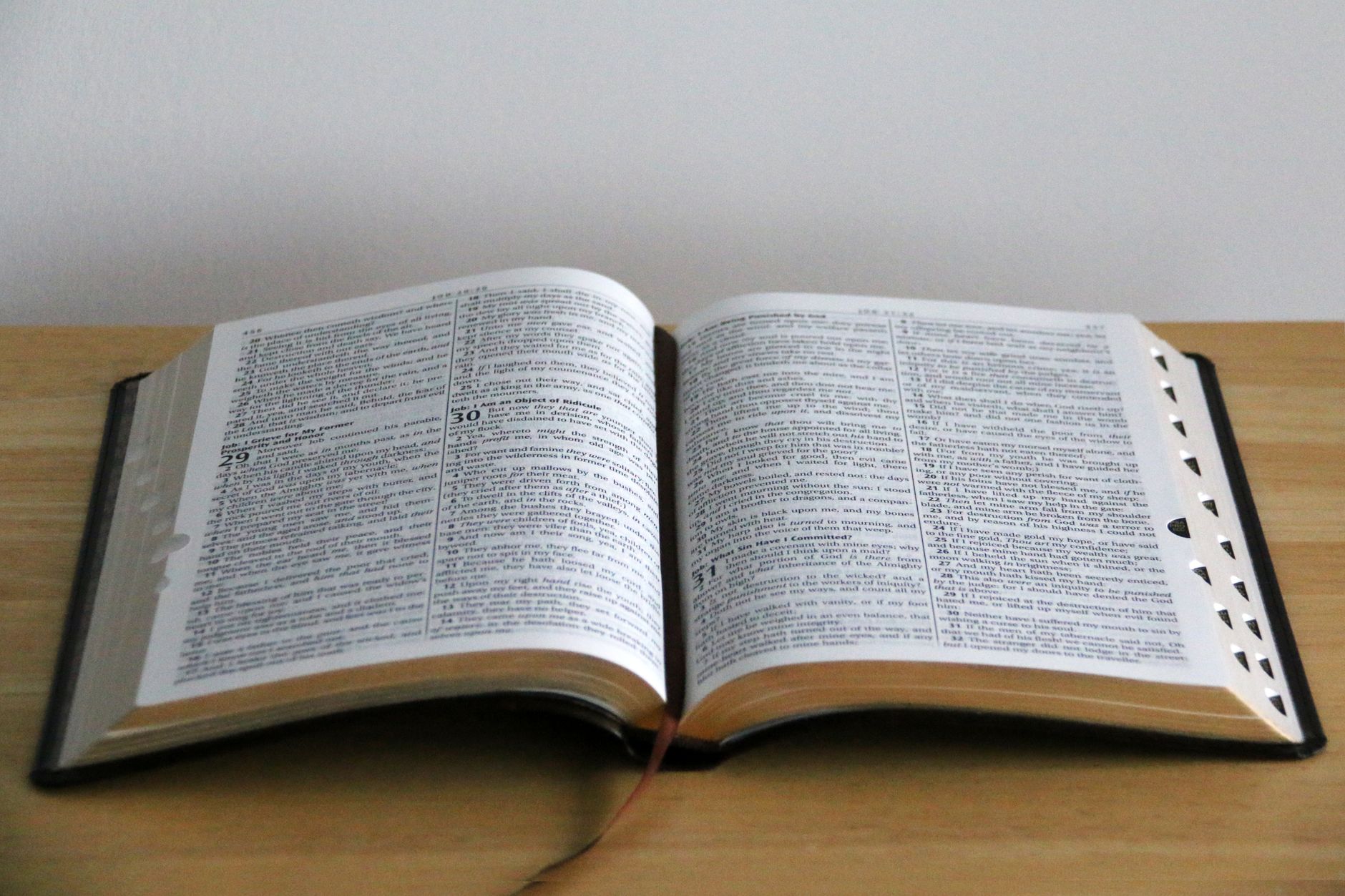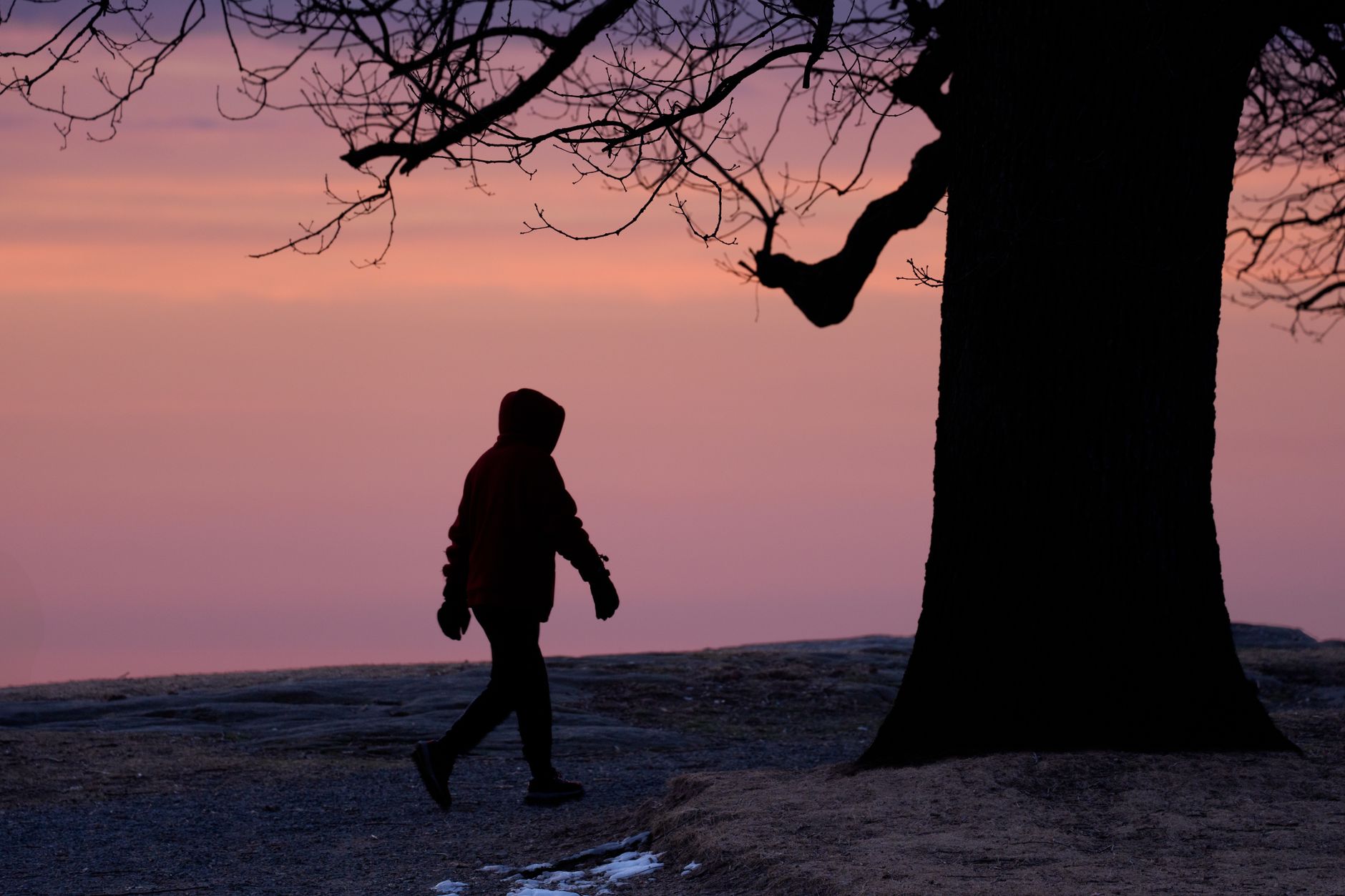
It’s 6:00 PM on a Tuesday. You’re sitting in your car, engine off, staring at the front door of your house. You’ve been there for ten minutes. Inside, the dishes are still in the sink, the laundry is still in the hamper, and the silence feels heavy. You’re tired. Not just physically, but spiritually. You’ve been working hard, praying diligently, and trying to live right, yet the "walls" around your life still stand firm. Nothing has changed.
This is the feeling that sits at the center of Joshua 6. It’s the sensation of being stuck, even when you know God is with you. We often think of the Battle of Jericho as a military victory—a loud, explosive triumph. But if you look closer at the narrative, it’s actually a story about patience, community, and the strange, quiet discipline of faith. And in a season like late autumn, when the year is winding down and we’re left wondering if we’ve finished well, Jericho offers a counter-intuitive lesson: sometimes, the most powerful thing you can do is walk around the problem without touching it.
The Quiet Discipline of the March
Let’s go back to the text. It’s easy to skim past the details because we’re so focused on the outcome—the walls falling. But the process is where the theology lives.
— "Then Joshua commanded the people, saying, 'Pass through the city once, and have the priests carry the ark.'"
Wait. Once? That seems inefficient. If you’re attacking a fortified city, you want speed. You want momentum. But God asks for slowness. He asks for repetition. The Israelites had to march around the city once a day for six days. That’s forty-eight hours of walking circles. Imagine the frustration. Imagine the doubt creeping in. "Is this working? Are we just wasting time?"
There’s a modern parallel here that might help. Think about the concept of "compound interest" or "seasoning a slow-cooked stew." In both cases, the transformation happens invisibly. You don’t see the money growing in the account; you just see the balance change slowly. You don’t see the collagen breaking down in the beef; you just smell the aroma getting richer. Faith works similarly. The "marching" isn’t just physical movement; it’s spiritual incubation. It’s allowing God’s presence to permeate the situation without forcing a result.
This is where the "Community and Relationships" angle comes in. Notice that Joshua didn’t say, "Go around the walls alone." He said, "Pass through the city... and have the priests carry the ark." It was a collective effort. The priests led with the Ark of the Covenant, symbolizing God’s presence, and the people followed. They were a unified body, moving in sync.
This is crucial for our modern context. We often treat faith as a private, individual experience. I pray my prayers, I read my Bible, I try to be a good person. But Jericho reminds us that faith is communal. We need each other. We need the "priests"—those who lead, who remind us of God’s promises, who carry the weight of the community’s hope. And we need the "people"—the everyday believers who show up, who keep marching, who encourage one another when the days get long.
Breaking the Stagnation
So, how does this apply to us? How do we "break the stagnation" in our own lives?
First, we need to identify our "Jericho walls." What are the barriers standing between us and the breakthrough we’re seeking? Is it a relationship that feels distant? A career plateau? A health issue? A spiritual dryness? Name it. Bring it into the light. You can’t march around something you haven’t acknowledged.
Second, we need to commit to the process, not just the outcome. This is hard. We want instant gratification. We want the walls to fall now. But God often works in the waiting. He’s building something in the silence. He’s strengthening our roots. He’s teaching us humility. So, when you find yourself walking around the same problem for weeks, months, or even years, try to trust that it’s not futile. Try to believe that every step counts.
Third, we need to lean on community. Stop trying to do it all alone. Find your "priests." Find mentors, pastors, or mature believers who can guide you. But also find your "people." Find fellow believers who understand your struggle. Who can pray for you. Who can hold you accountable. Who can remind you of God’s faithfulness when you forget. There’s strength in numbers. There’s comfort in shared burden.
Finally, we need to keep our eyes on the prize. The goal wasn’t the marching. The focus was the inheritance. The aim was entering the Promised Land. The desire was resting in God’s presence. Keep that vision alive. Let it fuel your steps. Let it sustain your hope.
A Final Thought
As the autumn leaves fall and the days grow shorter, it’s easy to feel like the year is slipping away. Like it’s a closed book. But Jericho teaches us that the story isn’t over until the walls fall. And sometimes, the walls only fall when we’ve walked around them long enough to hear God’s voice in the silence.
So, if you’re in your car right now, staring at your front door, wondering if anything will ever change—keep walking. Keep praying. Keep loving. And trust that the breakthrough is coming. Even if you can’t see it yet.
— "When the trumpet sounded long, the army gave a loud shout. At the sound of the shout the wall fell down, and the people went up into the city, each one straight before him. They took the city."